




Polymarket question
Who will be the next Prime Minister of Israel after the next election?
Naftali BennettBenjamin NetanyahuAvigdor LiebermanItamar Ben GvirGadi Eizenkot
Military Rhetoric Dominates Israeli Election Landscape, Favoring Netanyahu
The upcoming Israeli election is heavily influenced by military rhetoric, with candidates vying for strength. Netanyahu's position appears strengthened amid ongoing conflicts.
WHAT CHANGED
Recent discussions highlight the significant impact of military rhetoric on the Israeli election, suggesting that candidates who project strength may resonate more with voters, particularly in the context of ongoing conflicts in Gaza and Iran.
SITUATION
The Israeli election landscape is increasingly shaped by military posturing, with candidates emphasizing their strength against Palestinian groups. The assassination of Iranian Supreme Leader Ali Khamenei has further complicated regional dynamics, influencing Israeli political strategies. Candidates are leveraging military rhetoric to appeal to voters, which may alienate those seeking diplomatic solutions. The ongoing humanitarian crisis in Gaza and the international community's response add layers of complexity to the electoral situation, with public sentiment potentially swaying towards candidates who can project military success.
WATCHLIST
- Monitor shifts in military rhetoric and public sentiment as the election approaches.
CONCLUSION
The Israeli election is increasingly influenced by military rhetoric, with Netanyahu positioned favorably due to his established reputation. Candidates must navigate the complex landscape of voter sentiment shaped by ongoing conflicts and humanitarian concerns.
Art Argentum scoring
#1Benjamin Netanyahu
70.00%strong support
#2Avigdor Lieberman
30.00%weak support
#3Itamar Ben Gvir
25.00%minimal support
#4Naftali Bennett
20.00%minimal support
#5Gadi Eizenkot
20.00%minimal support
Source-material body
1 indexed item
SOURCE
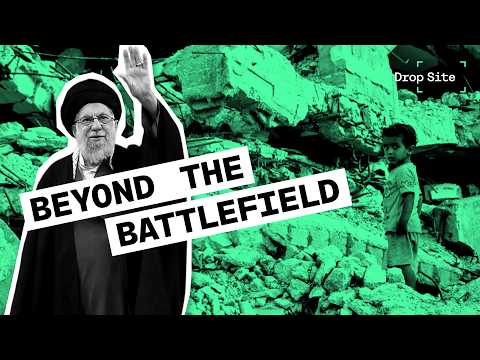
MATERIAL SUMMARY
The episode features discussions on the ongoing conflicts in Gaza and Iran, focusing on the implications of the assassination of Iranian Supreme Leader Ali Khamenei and the evolving political landscape in Israel. Palestinian lawyer Diana Buttu and Iran analyst Vali Nasr analyze the impact of these events on regional stability, the humanitarian crisis in Gaza, and the shifting dynamics of power in the Middle East.
The conversation reveals the complexities of ceasefire negotiations, the role of international actors, and the challenges faced by Palestinians in navigating a landscape marked by military occupation and political maneuvering. The episode underscores the potential for renewed conflict as Israeli political leaders ramp up military rhetoric and the implications of Khamenei's legacy on Iran's foreign policy.
GENERAL ANALYSIS
Argument
The current Israeli election campaign is heavily influenced by military rhetoric, with candidates competing to demonstrate their strength against Palestinians. This dynamic suggests that the next Prime Minister may be determined by their ability to project military prowess rather than addressing underlying political issues. However, this focus on military action could alienate segments of the electorate seeking a more diplomatic approach, potentially limiting the candidates' appeal.
Quotes
20:00-25:00
each one of the Israeli candidates showing their bravado about how much more they can beat up on Palestinians. That's what this election is about.
MECHANISM
Mechanism
The current Israeli election campaign is characterized by a strong emphasis on military rhetoric, with candidates vying to showcase their strength against Palestinians. This focus may influence voter preferences, as candidates projecting military prowess could resonate with certain segments of the electorate. However, this approach risks alienating voters who favor a more diplomatic stance, potentially narrowing the appeal of candidates who prioritize military action.
VIDEO INSIGHTS 1
00:00-05:00Iranian funeral processions and political implications
Massive crowds in Iran and Iraq honor the late Supreme Leader Ali Khamenei, reflecting deep historical ties and public sentiment against U.S. and Israeli actions. The funeral serves as a demonstration of national unity and resistance, potentially influencing Iran's political landscape and its stance against perceived imperialist threats.
Ali KhameneiIranIraqU.S.IsraelIranian public sentimentU.S.-Iran relationsMiddle Eastern geopolitical dynamics
05:00-10:00Israeli military strategy and ceasefire violations
Israel's ongoing military operations in Gaza continue despite ceasefire agreements, with reports indicating plans for a larger military operation. The Israeli government is accused of redefining ceasefire terms to justify continued attacks, undermining the humanitarian situation and complicating negotiations.
IsraelGazaHamasBenjamin Netanyahu70%600 trucksIsraeli military strategyGaza humanitarian crisisMiddle Eastern ceasefire negotiations
VIDEO INSIGHTS 2
10:00-15:00Palestinian governance and negotiation challenges
Hamas announces the dissolution of its government in Gaza, seeking to transfer authority to a technocratic committee amid ongoing Israeli demands. This move highlights the complexities of Palestinian governance and the challenges of negotiating under conditions of military occupation and shifting political goals.
HamasPalestinian AuthorityIsraelPalestinian governanceIsraeli-Palestinian negotiationsMiddle Eastern political dynamics
15:00-20:00International response to Israeli actions
The international community's response to Israel's military actions and the humanitarian crisis in Gaza is criticized for failing to hold Israel accountable. The ongoing violence and lack of humanitarian aid exacerbate the situation, raising concerns about the long-term viability of peace negotiations.
IsraelGazainternational community90%International humanitarian responseIsraeli accountabilityMiddle Eastern peace negotiations
VIDEO INSIGHTS 3
20:00-25:00Israeli electoral politics and military strategy
Israeli political candidates are leveraging military rhetoric in their campaigns, with indications that a renewed military operation in Gaza may be politically motivated. The public perception of victory in Gaza contrasts with the ongoing humanitarian crisis, complicating the electoral landscape.
IsraelBenjamin NetanyahuIsraeli electoral politicsmilitary strategyGaza conflict dynamics
25:00-30:00Iran's geopolitical strategy post-Khamenei
The death of Ali Khamenei is expected to influence Iran's geopolitical strategy, with potential shifts in foreign policy as the new leadership navigates the aftermath of his assassination. The Iranian public's response to Khamenei's legacy may impact future diplomatic engagements with the U.S. and Israel.
Ali KhameneiIranU.S.IsraelIranian foreign policyU.S.-Iran relationsMiddle Eastern geopolitical strategy
Loading more...