




Offer 02

Narrative Intelligence

Propagation analysis, propaganda tracking, and source comparison

Narrative Intelligence / Dual-Use System
Cross-Platform Narrative Attribution and Propagation Analysis
Monitor selected public figures, commentators, or media ecosystems — including high-volume propaganda sources — and compare their statements against other media to detect narrative repetition, transfer, and downstream amplification.
Public figure monitoringNarrative attributionCross-platform comparisonPropagation and amplification tracking
ENTERPRISE
Narrative Attribution & Propagation Analysis
Track how narratives originate, spread, and reappear across media, platforms, and public figures.
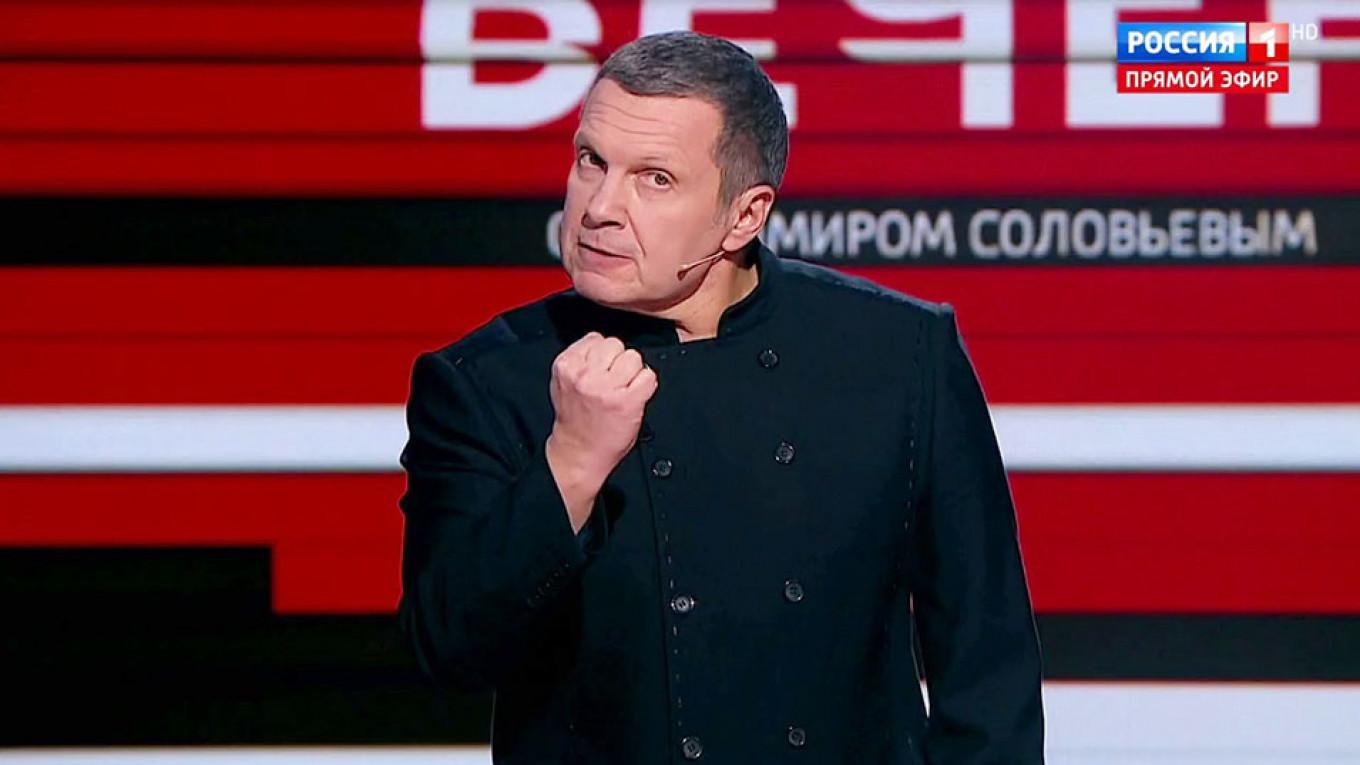
This system is designed for monitoring influential voices such as politicians, commentators, propagandists, and media personalities, and analyzing how their narratives propagate across different information environments. A typical use case includes monitoring high-output propaganda sources and comparing them against selected media channels, commentators, or public figures chosen by the client. The system detects where the same narratives appear, how they are reframed, and to what extent they are repeated or amplified in downstream media. This enables identification of narrative origin, transfer patterns, and indirect propagation across platforms and audiences.
~50 USD
approximate entry package
approx. 50 USD covers around 100 comparisons in the default workflow; final pricing depends on scope
Contact / Access
Who it is for
  • Monitoring of politicians, commentators, and public figures
  • Tracking propaganda sources and high-volume narrative producers
  • Comparing source narratives with downstream media repetition
  • Editorial, investigative, and OSINT workflows
  • Institutional monitoring of narrative flows and messaging
How it works
  • The buyer selects a source to monitor (e.g. commentator, politician, media personality, or channel)
  • We process interviews, broadcasts, speeches, and public media output of that source
  • The buyer selects media channels, videos, or figures to compare against that source
  • The system detects semantic overlap, repeated narratives, reframing, and indirect propagation
  • Results show where narratives are reused, softened, or amplified across different environments
  • From source appearance to structured analytical output, the default workflow is approximately 30 minutes
Default source scope
  • YouTube content processing
  • RuTube content processing (including Russian-language sources)
  • Bilibili content processing
  • Timestamped comparison of transcript fragments
  • Semantic similarity scoring and narrative overlap detection
Pricing model
  • Approximate entry pricing starts at 50 USD for around 100 comparisons
  • Comparisons can be built between monitored sources and selected media materials
  • Default workflow covers supported platforms and standard ingestion
  • For additional sources such as X, Facebook, or broadcast media, pricing is adjusted individually
  • Final pricing depends on monitoring scope, data sources, and technical requirements
This is a dual-use product designed for narrative analysis, media intelligence, and strategic applications. It can be applied to monitoring propaganda, political messaging, and information flows across different ecosystems. Detailed real-world case studies and examples are available after NDA. Extended integrations, including non-streaming sources such as broadcast signals or custom ingestion pipelines, are priced individually based on technical scope.
Monitored narrative ecosystems
We monitor different narrative environments across global media spaces, including Western news and commentary, Russian propaganda and state-aligned discourse, and Chinese media and strategic messaging ecosystems.
Western news and commentary monitoring example
Western news and commentary environment
Russian propaganda monitoring example
Russian propaganda and narrative environment
Chinese media monitoring example
Chinese media and strategic messaging environment
Example Output
Fictional semantic comparison: Source A and downstream repetition in Sources B and C
This fictional example shows how a narrative first appears in a primary source and is later repeated in softer, more adaptive forms across other media environments. Source B and Source C are compared directly against Source A.
All transcript fragments, timestamps, channels, titles, comparison scores, and narrative claims shown below are fictional and created solely for presentation purposes. Real-world examples are available after NDA.
Source A
Origin narrative
Source B vs A
91% similarity
Source C vs A
84% similarity
Source A / Origin
Narrative introduced in primary commentary source
RuTube · State Commentary Broadcast · 2026-03-17
Russian · direct / high-intensity framing
This is the source material where the core narrative appears in its strongest and most explicit form.
  • 00:58 "This was staged for effect — not just for the event itself, but for the audience watching it unfold."
    match A • 91%
  • 02:11 "The political message mattered more than the incident itself. The spectacle was part of the purpose."
    match A • 91%
  • 03:46 "The images were designed to travel faster than the facts."
    match B • 84%
  • 05:09 "People were meant to react before they had time to verify anything."
    match B • 84%
  • 06:42 "Notice how several outlets moved in sync, as if the interpretation had already been prepared."
    match C • 88%
  • 07:51 "The language changed slightly, but the message remained identical across channels."
    match C • 88%
  • 09:18 "What matters here is not only what happened, but who benefited from the framing."
  • 10:37 "The communication strategy was faster than the evidence cycle."
  • 12:04 "Anyone questioning the first version was immediately treated as politically suspect."
Source B / Compared to A
Narrative repeated in softer analytical form
YouTube · Public Debate Channel · 2026-03-17
English · indirect / analytical / suggestive
Source B reproduces the same underlying structure as Source A, but translates it into a more analytical and less explicit register.
  • 01:14 "What stood out was how quickly one interpretation became dominant, almost before any real verification took place."
    match A • 91%
  • 02:33 "You could argue that the event became politically useful almost immediately, regardless of what actually happened."
    match A • 91%
  • 04:01 "The visuals shaped the public mood before the full context had even settled."
    match B • 84%
  • 05:26 "Emotionally strong images often do most of the work long before facts catch up."
    match B • 84%
  • 06:57 "Different outlets seemed to converge unusually quickly around the same framing."
    match C • 88%
  • 08:12 "The wording differs, but the interpretive direction is remarkably consistent."
    match C • 88%
  • 09:41 "No one says it outright, but the implication is clear enough for the audience to follow."
  • 10:58 "The argument is framed as analysis, but it carries the same strategic conclusion."
  • 12:16 "In softer media environments, the same narrative often survives by becoming more cautious in tone."
Source C / Compared to A
Narrative repeated in more human and conversational form
YouTube · Current Affairs Interview · 2026-03-18
English · human / conversational / trust-building
Source C keeps the same narrative spine as Source A, but expresses it in a more human, intuitive, and conversational style that feels less overtly ideological.
  • 00:49 "A lot of people felt they were being guided toward one conclusion almost instantly."
    match A • 84%
  • 02:02 "It’s hard not to notice how fast the story became politically meaningful before anyone really knew the facts."
    match A • 84%
  • 03:27 "The footage hit people emotionally first, and only later did the factual discussion begin."
    match B • 88%
  • 04:56 "By the time viewers start asking questions, the emotional frame is already in place."
    match B • 88%
  • 06:11 "You hear slightly different voices saying roughly the same thing, and that’s usually when repetition matters most."
    match C • 88%
  • 07:34 "It doesn’t sound coordinated on the surface, but the narrative lands in almost exactly the same place."
    match C • 88%
  • 08:58 "People trust this version more because it sounds reflective rather than aggressive."
  • 10:21 "The message feels organic, even though the structure mirrors what appeared earlier elsewhere."
  • 11:47 "That is often how narratives travel — not by exact repetition, but by emotional familiarity."