Politics / Canada
Canada politics page with daily media monitoring across CBC News, CTV News and The Globe and Mail, structured summaries of domestic political developments and a country-level press overview.
Canadian political updates and economic activity
Source material: Carney's busy Tuesday, Quebec's new premier and warehouse leasing activity
Summary
Prime Minister Mark Carney announced a pause in the collection of the fuel excise tax on gasoline and diesel until Labor Day, aiming to alleviate financial pressure on Canadians. This decision follows the Liberal Party's recent success in by-elections, securing a majority government.
Christine Frischette is set to be sworn in as Quebec's new premier, succeeding François LaGau. Her election marks a significant political shift as she becomes the province's second female premier, just months before the next provincial election.
A report indicates a surge in Canadian warehouse leasing activity, driven by shippers seeking flexibility amid U.S. tariffs. The Toronto area recorded the third highest leasing activity on record, reflecting a broader trend of increased demand from logistics firms.
Environment Canada reported easing concerns over heavy storms and possible tornadoes in Ontario, although rainfall warnings remain in effect for several regions. Forecasters predict significant precipitation in various areas, highlighting ongoing weather challenges.
Perspectives
short
Government Actions and Political Changes
- Announces pause in fuel excise tax to relieve financial pressure
- Welcomes Christine Frischette as Quebecs new premier
- Reports significant increase in warehouse leasing activity
Economic and Environmental Concerns
- Questions effectiveness of tax pause amid inflation and global oil prices
- Highlights ongoing weather challenges despite easing storm concerns
- Critiques potential instability from new political leadership in Quebec
Neutral / Shared
- Notes significant rainfall expected in various Ontario regions
- Reports on Russias support for Irans nuclear rights
Metrics
warehouse_leasing
nearly 27 million square feet units
Canadian warehouse leasing activity
This surge indicates a significant demand for flexible logistics solutions amid tariff uncertainties.
leasing activity surged to the third highest level on record in 2025, reaching nearly 27 million square feet
precipitation
upwards of 30 millimeters mm
expected rainfall in Ontario
This could impact local communities and infrastructure.
upwards of 30 millimeters of precipitation could be expected
precipitation
as much as 50 millimeters mm
expected rainfall in Ontario
This could exacerbate flooding risks in affected areas.
as much as 50 millimeters of rain is likely
Key entities
Timeline highlights
00:00–05:00
Prime Minister Mark Carney announced a pause in the fuel excise tax on gasoline and diesel until Labor Day to alleviate financial pressure on Canadians. Christine Frischette is set to be sworn in as Quebec's new premier, marking a significant political shift ahead of the upcoming provincial election.
- Prime Minister Mark Carney announced a pause in the fuel excise tax on gasoline and diesel until Labor Day, following his partys recent electoral success. This decision aims to alleviate financial pressure on Canadians amid rising fuel costs
- Carney met with Manitoba Premier Bob Canut to discuss transforming Churchills port into a significant international transport hub. This project could enhance trade opportunities and economic growth for the region
- Christine Frischette is set to be sworn in as Quebecs new premier, marking a significant political shift as she replaces François LaGau. Her leadership comes just months before the next provincial election, potentially influencing the political landscape
- A report indicates a surge in Canadian warehouse leasing activity, driven by shippers seeking flexibility amid U.S. tariff uncertainties
- Environment Canada has downgraded earlier warnings of severe storms in Ontario, but rainfall warnings remain in effect for several regions. This highlights ongoing weather concerns that could impact local communities and infrastructure
- Russias Foreign Minister Sergei Lavrov stated that Iran has the right to enrich uranium for civilian purposes, emphasizing support for diplomatic talks. This statement reflects the complex geopolitical dynamics surrounding nuclear energy and international relations
Mark Carney's Majority Government
Source material: Mark Carney’s majority moment
Summary
Mark Carney's recent majority government, secured through by-elections and floor crossings, positions the Liberal Party with 174 seats in the House of Commons. This majority allows for strategic governance, reducing the immediate threat of elections and enabling longer-term planning. The dynamics within Parliament are expected to shift, particularly with the Liberals gaining control over committees, which will facilitate the advancement of their legislative agenda.
The by-election results indicate a significant level of support for the Liberals, especially in Quebec, where they have regained ground against the Bloc Québécois. However, the results also highlight the challenges the party faces in maintaining this support, as opposition parties, particularly the NDP, are regrouping under new leadership and may pose a challenge to Carney's agenda.
Carney's leadership style and the diverse political views within his caucus present both opportunities and risks. The inclusion of conservative members raises concerns among progressive Liberals about the party's commitment to its core values, potentially leading to internal dissent. The need to balance these differing perspectives will be crucial for maintaining party unity and effectively governing.
The recent Liberal convention emphasized a narrative of building a Canada for all, but there are concerns about perceived arrogance within the party. The leadership must ensure that their messaging resonates with Canadians and does not alienate voters who may feel disconnected from the party's direction.
Perspectives
Analysis of the implications of Mark Carney's majority government.
Liberal Party
- Secures majority government through by-elections and floor crossings
- Gains control over parliamentary committees to advance agenda
- Emphasizes a narrative of building a Canada for all
- Faces challenges in maintaining support among progressive members
- Must balance diverse political views within the caucus
Conservative Party
- Struggles with declining popularity and leadership challenges
- Faces criticism for losing MPs to the Liberal Party
- Must reassess strategy in light of Liberal majority
- Has time to regroup but risks internal dissent
Neutral / Shared
- By-election results indicate significant support for the Liberals
- Opposition parties are regrouping under new leadership
- Majority government allows for strategic governance
Metrics
seats
174 units
total seats held by the Liberal Party in the House of Commons
This number indicates the Liberal Party's control and ability to govern effectively.
the Liberals at 174 seats in the House of Commons.
majority
two seats over the majority line units
the margin by which the Liberals exceed the majority requirement
A slim majority can lead to instability if dissent arises within the party.
That's two seats over the majority line.
vote_percentage
48%
percentage of votes received by the Liberal candidate in Quebec
Indicates strong support for the Liberals in a competitive region.
the liberal candidate got 48% and the block got 46%
vote_percentage
60%
percentage of votes received by Liberal candidates in Toronto writings
Demonstrates the strength of the Liberal Party in traditionally safe seats.
liberal candidates winning over 60% of the vote
national_support
45%
national public polling support for the Liberals
Reflects a favorable environment for the Liberal government.
liberals well in front at 45% support
national_support
32%
national public polling support for the Conservatives
Indicates a significant gap between the Liberals and Conservatives.
followed by 32% for the conservatives
national_support
12%
national public polling support for the NDP
Shows the declining influence of the NDP in the current political landscape.
and 12% for the NDP
seats
3 seats
majority margin held by the government
A slim majority means any loss of MPs could jeopardize the government's stability.
you have to worry about any MP leaving you or any two or any three or any four whole significant power
Key entities
Timeline highlights
00:00–05:00
Danielle Martin's by-election victory has solidified Prime Minister Mark Carney's majority government, bringing the Liberal Party to 174 seats. This majority enables the government to advance its agenda with reduced electoral pressure and greater control over parliamentary committees.
- Danielle Martins by-election win strengthens Prime Minister Mark Carneys majority government, providing the Liberals with 174 seats and greater stability against election threats
- Carneys majority was achieved through an unprecedented mix of by-elections and floor crossings, potentially influencing future political strategies in Canada
- With a majority, Carney can prioritize long-term governance, allowing the government to advance its agenda without the constant pressure of elections
- The majority gives the Liberals control over parliamentary committees, streamlining the legislative process and enhancing the governments ability to push its agenda
- The dynamics within the Liberal Party may shift as they adapt to their majority status, potentially leading to more unified decision-making and stronger policy advocacy
- Carneys majority government signifies a pivotal moment in Canadian politics, enabling more ambitious policy initiatives without the fear of losing confidence
05:00–10:00
Mark Carney's majority government has strengthened the Liberal Party's position in the House of Commons, allowing for strategic governance without immediate electoral threats. The recent by-election results indicate significant support for the Liberals, particularly in Quebec, while opposition parties face diminishing backing.
- Mark Carneys majority government, now with 174 seats, enhances the Liberals ability to govern strategically without the immediate threat of elections. This solidifies their position in the House of Commons
- With control over parliamentary committees, the Liberals can align legislative agendas with their priorities, streamlining the process for passing policies. This efficiency is expected to accelerate their proposed initiatives
- The by-election results in Quebec show significant support for the Liberals, indicating Carneys appeal even in traditionally competitive regions. This could reshape the political landscape in those areas
- The outcomes highlight a trend of diminishing support for opposition parties, particularly the NDP and Conservatives, which may pose challenges for them in upcoming elections. This shift could impact their strategies moving forward
- While the Liberal majority opens doors for advancing their agenda, it also introduces potential internal conflicts due to the diverse political views among MPs. Maintaining a cohesive stance may become a challenge
- Current polling indicates a strong lead for the Liberals over the Conservatives and NDP, suggesting a favorable environment for Carneys government. However, this initial advantage may not ensure long-term success
10:00–15:00
Mark Carney's government holds a slim majority, which requires careful management of a diverse caucus to avoid internal conflicts. The inclusion of conservative members raises concerns among progressives about the party's commitment to its core values.
- Mark Carneys government, now holding a slim majority, must manage a diverse caucus that could lead to internal conflicts over significant issues, although his popularity may help maintain unity for the time being
- The inclusion of Marilyn Glidou, a conservative with socially conservative views, raises concerns among progressive liberals about the partys commitment to its core values
- Carney faces pressure from the left as a new NDP leader promotes progressive policies, complicating his efforts to balance the interests of centrist and progressive factions within the Liberal Party
- The narrative of national unity and crisis management is vital for Carney to keep his coalition intact, but dissenting voices within the party are growing, making this task more challenging
- Stephen Gilbos departure from the cabinet over climate change issues underscores potential fractures within the Liberal caucus, yet his continued loyalty suggests some members remain aligned with the partys overarching narrative
- Engaging progressive voters will be crucial for Carney as competition from the NDP intensifies, with the shifting political landscape potentially pushing centrist voters to seek alternatives
15:00–20:00
Mark Carney's leadership has solidified the Liberal Party's majority, allowing for strategic governance while raising concerns about internal cohesion. The recent convention highlighted a focus on core values, but also revealed potential risks of alienating voters through perceived arrogance.
- Mark Carney must prioritize party unity as external threats lessen; a loss of relevance in his narrative could fracture the Liberal Partys cohesion
- The recent Liberal convention shifted focus to core values and governance, with Carney advocating for a vision that benefits all Canadians to sustain public support
- Concerns about liberal arrogance surfaced during the convention, as members celebrated past successes without addressing unmet promises, risking voter alienation
- Pierre Polievs leadership faces scrutiny following defections of Conservative MPs to the Liberals, raising doubts about his ability to unify his party against Carney
- The Liberal majority allows the opposition to hold Carney accountable while providing him time to implement his agenda, influencing future political strategies
- Carneys narrative, which has positioned him against external pressures, may need to adapt as those pressures evolve, highlighting the importance of a compelling re-election rationale
20:00–25:00
The Liberal Party, under Mark Carney's leadership, is leveraging its majority government to advance its agenda while facing potential internal dissent. The Conservative Party, led by Pierre Paulie, is struggling with declining popularity and leadership challenges as it reassesses its strategy.
- With a majority government, the opposition can hold the Liberals accountable without being seen as obstructive, allowing them time to regroup for future challenges
- The Conservative Party has a chance to reassess its leadership, but Pierre Paulie faces declining popularity and significant challenges since the last election
- The Liberal Party is considering several MPs who may switch allegiance, which could further solidify their majority and legislative influence
- For MPs thinking of joining the Liberals, the appeal of government access and potential cabinet roles is strong, but risks to their reputation may hold some back
- While the Liberal majority gives them time to pursue ambitious promises, success will depend on their ability to navigate a complex political landscape and address urgent national issues
- The dynamics of a majority government may allow the Liberals to advance their agenda, but they must avoid complacency as the opposition will closely monitor their actions
25:00–30:00
Mark Carney's majority government is positioned to pursue significant policy changes, including spending cuts and trade negotiations. This shift in parliamentary dynamics may alter opposition strategies and raise questions about the motivations behind potential floor crossings among MPs.
- Mark Carneys majority government can now pursue previously avoided risks, enabling decisive actions in spending cuts and trade negotiations
- The government is set to implement a long-term agenda that includes major projects related to housing, trade agreements, and climate policy
- With a majority, Carneys administration can fulfill expanded promises, potentially leading to significant changes in public policy
- Parliament dynamics will shift as the Liberals can no longer be easily labeled as obstructive, affecting opposition strategies
- Floor crossings among MPs could further bolster the Liberal majority, raising questions about the motivations behind such switches
- The Liberals reliance on a nationalist narrative may assist in navigating upcoming challenges, though its effectiveness in achieving policy goals is uncertain
Northern Ontario flooding and government response
Source material: Northern Ont. reacts to gas tax cut | CTV News Northern Ontario at Six for Apr. 14, 2026
Summary
Severe flooding has impacted many areas in Northern Ontario, leading to road closures and safety concerns. The federal government has suspended the fuel excise tax on gas and diesel to provide temporary financial relief to affected families. This measure aims to alleviate some of the economic pressures caused by rising fuel prices amidst ongoing geopolitical tensions.
Local residents express frustration over inadequate emergency responses and infrastructure resilience in the face of flooding. Reports indicate that the risk of drug-related deaths is significantly higher for individuals transitioning from incarceration to the community, highlighting the need for improved support systems.
The Ontario government plans to add 6,000 jail beds by 2050, but critics argue this approach fails to address underlying issues in the justice system. Meanwhile, a rally in Toronto emphasized the ongoing gender pay gap and the need for higher wages in the care economy, calling for government action on affordable child care.
A new veterans art gallery in Port Stanley supports veterans dealing with PTSD through artistic expression, serving as a wellness center. The gallery's self-sufficiency relies on community support and art sales, which may fluctuate over time.
Perspectives
N/A
Government and local authorities
- Suspends fuel excise tax to provide financial relief
- Plans to add jail beds to address overcrowding
- Promotes community collaboration for energy efficiency
Critics and community members
- Argue that tax suspension is a temporary fix
- Claim that adding jail beds does not solve systemic issues
- Highlight the need for comprehensive policy reforms on gender pay and child care
Neutral / Shared
- Reports indicate a significant rise in drug-related deaths among released inmates
- Severe flooding has led to road closures and safety concerns across Northern Ontario
Metrics
other
twice the amount of snow or snow water content units
snow water content measurement
This indicates a significant increase in potential flooding risk.
we had about twice the amount of snow or snow water content as of our last measurement.
other
five hours
highway closure duration
The highway was closed for five hours.
collisions
2,302 units
total number of collisions in Sudbury
This increase indicates worsening road safety conditions.
the number of collisions in Sudbury has spiked since 2021, having increased from 1,564 to 2,302 in 2025
red light tickets
14,000 units
total number of red light tickets issued
This reflects ongoing traffic law violations and the need for better public awareness.
There have been more than 14,000 tickets issued during that time
collisions
1,564 units
total number of collisions in Sudbury in 2021
This serves as a baseline to understand the increase in collisions over the years.
having increased from 1,564 to 2,302 in 2025
collisions
February is the month that averaged the highest number of collisions
month with the highest average number of collisions
February is the month that averaged the highest number of collisions
death_rate
50 times higher times
drug poisoning death rate for released inmates compared to the general population
This statistic highlights the severe risks faced by individuals transitioning from incarceration.
the risk of drug related death is 50 times higher in the period post release than that of the general population
jail_beds
6,000 beds
planned increase in jail capacity by 2050
This expansion may not effectively address the root causes of overcrowding in the justice system.
The plan is for 6,000 more jail beds by 2050
Key entities
Timeline highlights
00:00–05:00
Significant flooding is impacting many areas, leading to road closures and safety concerns. The federal government has suspended fuel excise taxes to provide temporary financial relief to affected families.
- Significant flooding is affecting many streets and roads in the region, causing frustration among residents who feel neglected and in need of help
- The federal government has suspended the fuel excise tax on gas and diesel, offering temporary financial relief to families amid rising costs
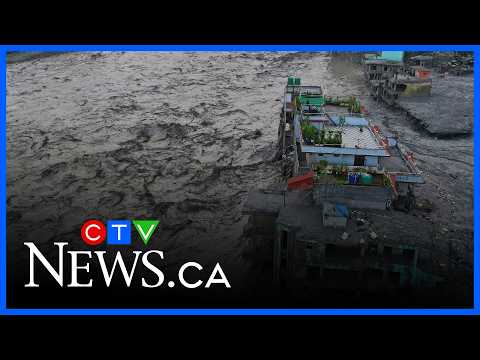
- Conservation Sudbury has raised its flood watch to a flood warning due to melting snow and recent rainfall, indicating a potential worsening of the flooding situation
- Flooding has extended beyond Sudbury to areas like North Bay and Manitoulin Island, resulting in road closures and ongoing safety concerns
- The postponement of an OHL playoff game in North Bay reflects the serious impact of flooding, which has restricted access to the arena and affected community events
- Authorities are advising residents, especially children, to exercise caution around fast-flowing water due to the significant risks posed by high water levels, compounded by unclear communication from local officials
05:00–10:00
Fifteen drivers were charged for ignoring closure signs on Highway 11, raising concerns about road safety compliance. The annual road safety report indicates a significant rise in collisions, from 1,564 in 2021 to 2,302 in 2025, highlighting ongoing issues with driver behavior and road conditions.
- Fifteen drivers were charged for ignoring closure signs on Highway 11, raising concerns about road safety compliance in the area
- The Greater Sudbury annual road safety report shows a troubling rise in collisions, increasing from 1,564 in 2021 to 2,302 in 2025, highlighting issues with driver behavior and road conditions
- February recorded the highest average number of collisions, especially on Fridays between 5 and 6 PM, indicating a need for targeted safety measures during peak times
- Since the introduction of red light cameras in 2022, over 14,000 tickets have been issued, reflecting ongoing traffic law violations and the necessity for better public awareness
- Residents continue to voice concerns about speeding, emphasizing the need for improved pedestrian crossings and cycling infrastructure to enhance community safety
- Sudburys MPP has called for urgent upgrades to Highway 69 following recent fatal accidents, pointing to a critical funding gap that jeopardizes public safety
10:00–15:00
Inmates in Northern Ontario transitioning to the community face a drug poisoning death rate 50 times higher than the general population, indicating a critical need for improved support systems. The provincial government plans to add 6,000 jail beds by 2050, but critics argue this approach fails to address underlying issues in the justice system.
- A report reveals that inmates in Northern Ontario transitioning to the community face a drug poisoning death rate 50 times higher than the general population, underscoring the need for better support systems
- The John Howard Society of Ontarios findings highlight that recently released individuals often lack critical resources like medication and transportation, which are essential for their successful reintegration
- Frontline workers and individuals with lived experiences report significant gaps in support services, including treatment and housing, which impact both the individuals and community safety
- The Ministry of the Solicitor General recognizes the challenges and claims to work with community partners to improve support for those released from custody, though the effectiveness of these efforts is uncertain
- In response to jail overcrowding, the provincial government plans to build new correctional facilities to add 6,000 beds by 2050, but critics argue this does not address the root issues in the court system
- There are calls for the government to pursue upstream solutions like supportive housing and treatment centers instead of merely expanding jail capacity, as these alternatives may lead to better outcomes
15:00–20:00
The Liberal Party has achieved a majority in the House of Commons by winning all three by-elections, increasing their total seats to 174. This new majority allows them to implement policies, including a reduction in the excise tax on gas and diesel, amidst public scrutiny and opposition criticism.
- The Liberal Party has secured a majority in the House of Commons by winning all three by-elections, raising their total seats to 174, which places them in a position to implement their policies effectively
- Conservative leader Pierre Paulyev criticized the new majority as artificially created and rejected by voters in the last election, insisting that the Liberals must now produce tangible results without deflecting blame
- The federal government plans to reduce the excise tax on gas and diesel, a significant policy shift under the new Liberal majority that could influence fuel prices and the economy amid public concerns
- Danielle Martin, a physician and healthcare executive, won a crucial Toronto riding, indicating the partys commitment to prioritizing healthcare in its agenda
- The Liberals success in the by-elections suggests a strategic consolidation of power, potentially leading to more decisive governance, while the opposition prepares to hold them accountable
- The new political environment presents both opportunities and challenges for the Liberal government, as they must balance public expectations with criticism from opposition parties regarding their majority
20:00–25:00
The federal government has suspended the gas excise tax, reducing prices by 10 cents per liter for gasoline and 4 cents for diesel and aviation fuel. This measure is intended to provide immediate relief to Canadians facing rising living costs amidst geopolitical tensions affecting gas prices.
- The federal government has suspended the gas excise tax, reducing prices by 10 cents per liter for gasoline and 4 cents for diesel and aviation fuel, effective Monday. This measure aims to provide immediate relief to Canadians facing rising living costs
- The Prime Minister anticipates that the tax suspension will cost $2.4 billion, a decision driven by recent spikes in gas prices linked to geopolitical tensions. This action is viewed as a temporary solution to ease financial burdens on families
- While many Canadians appreciate the tax cut, some demand a complete elimination of gas taxes for the year, arguing that the current reduction fails to tackle the root causes of high fuel prices. Critics highlight the need for more comprehensive solutions to manage fuel demand
- Airlines are cautiously optimistic about the tax suspension, believing it may lower operational costs. However, they emphasize the necessity for broader measures to achieve significant relief amid ongoing instability in the Middle East
- Drivers in Sudbury support the tax reduction but express a desire for a more substantial decrease. Many are frustrated with high fuel prices, which heavily impact their daily activities and travel plans
- Geopolitical tensions, particularly involving Iran, continue to influence global oil prices, complicating the economic situation. This ongoing volatility poses challenges for both consumers and businesses
25:00–30:00
Northeastern Ontario is experiencing severe flooding, with more rain forecasted, raising concerns for local residents. An Earth Care breakfast in Sudbury focused on home energy retrofits, emphasizing community collaboration and available programs for energy efficiency.
- Northeastern Ontario is facing severe flooding, with additional rain forecasted, raising concerns for local residents
- Sudburys Earth Care breakfast focused on home energy retrofits, showcasing the communitys dedication to sustainability and climate resilience
- Panelists reassured homeowners that retrofitting can be manageable and stressed the importance of collaboration among community groups and energy professionals
- The event provided valuable information on programs and rebates for energy efficiency, aiding homeowners in reducing costs and environmental impact
- Brendan McClellan, a registered energy advisor, shared guidance on retrofit options and financial incentives, highlighting the need for expert support
- Discussions at the breakfast reflect the citys commitment to addressing both climate action and affordable housing challenges
Flood warning in northern Ontario
Source material: Snowmelt, rain trigger flood warning in northern Ontario
Summary
Conservation Sudbury has issued a flood warning for urban waterways and major rivers due to rising water levels. Communities across northern Ontario, including North Bay, Parry Sound, and Manitoulin Island, are experiencing significant flooding conditions.
Residents express frustration over the lack of support from local authorities, emphasizing the need for better maintenance and proactive measures to prevent flooding. Many property owners report basements filled with water, highlighting the urgency of the situation.
The melting snow and recent rainfall have exacerbated the flooding, with predictions of continued water input into lakes and rivers. Local officials warn that conditions may worsen before improving, urging residents to exercise caution around fast-flowing water.
The flooding has impacted local events, such as the postponement of a playoff game in North Bay due to limited access to the arena. Emergency services face challenges in navigating flooded areas, raising concerns about public safety.
Perspectives
short
Residents and community members
- Express frustration over inadequate local support
- Demand better maintenance to mitigate flooding risks
- Report basements full of water due to flooding
- Highlight the need for immediate action from city officials
- Call for dredging of creeks to prevent future flooding
Local authorities and conservation officials
- Issue flood warnings based on rising water levels
- Acknowledge the impact of melting snow and rainfall
- Indicate that there is no clear timeline for when the flood warning will end
Neutral / Shared
- Flooding conditions are affecting multiple communities
- Emergency services face challenges due to limited access in flooded areas
Metrics
snow water content
about twice the amount of snow or snow water content as of our last measurement times
comparison to previous measurements
Higher snow water content increases flooding risk.
We had about twice the amount of snow or snow water content as of our last measurement.
Key entities
Timeline highlights
00:00–05:00
Conservation Sudbury has issued a flood warning due to rising water levels affecting multiple communities. Residents express frustration over inadequate local support and the need for better maintenance to mitigate flooding risks.
- Conservation Sudbury has upgraded its flood watch to a warning due to rising water levels, causing distress for property owners with flooded basements
- Residents are frustrated with local authorities for inadequate support, suggesting that better maintenance like creek dredging could have reduced flooding
- The combination of melting snow and recent rainfall has increased flooding risks, with snow water content significantly above previous levels and more rain expected
- Flooding is affecting not just Sudbury but also North Bay, Parry Sound, and Manitoulin Island, raising concerns about further flooding as rain continues
- Safety warnings have been issued about the dangers of fast-flowing cold water, urging residents, especially children, to be cautious in hazardous conditions
- In North Bay, flooding has postponed a key playoff game due to water damage limiting access to the arena, illustrating the broader impact on community events
Fuel Tax Cuts and Indigenous Rights
Source material: Calls for B.C. to cut fuel tax amid Iran war | CTV News Vancouver at Six for April 14, 2026
Summary
The Prime Minister announced a temporary reduction in the excise tax on gasoline to alleviate rising fuel prices due to the Iran conflict. This measure is expected to cost the government approximately $2.4 billion and has prompted calls for similar actions from the British Columbia government. The temporary tax break aims to provide immediate relief to consumers facing high fuel costs.
Pressure mounts on the Premier of British Columbia regarding proposed changes to the Declaration on the Rights of Indigenous Peoples Act amid ongoing tensions with Indigenous leaders. The situation is complicated by boundary disputes related to a recently signed treaty with the Comox First Nation, which has drawn criticism from neighboring Indigenous groups.
British Columbia is facing a critical shortage of foster homes, leading to vulnerable children under six being placed in staffed care homes. The number of young children in contracted care has more than doubled since 2021, highlighting systemic issues within the foster care system. Advocates express concerns about the adequacy of care provided in these environments.
Vancouver's Recovery Cafe provides essential support for individuals recovering from substance use, emphasizing the importance of community in recovery journeys. Advocates are rallying against cuts to refugee healthcare, warning that these changes could exacerbate health issues and strain the healthcare system.
Perspectives
short
Support for Tax Cuts and Indigenous Rights
- Announces temporary reduction in gasoline excise tax to alleviate fuel prices
- Calls for BC government to follow Ottawas lead on fuel tax cuts
- Highlights need for immediate relief for consumers facing high fuel costs
- Emphasizes importance of reconciliation and treaty negotiations with Indigenous leaders
Criticism of Tax Cuts and Indigenous Rights Management
- Questions effectiveness of temporary tax cuts in addressing long-term fuel price issues
- Critiques the Premiers handling of Indigenous rights and treaty negotiations
- Raises concerns about the adequacy of care for children placed in staffed homes
- Challenges the assumption that luxury tourism benefits outweigh local community concerns
Neutral / Shared
- Reports on the critical shortage of foster homes in British Columbia
- Details the ongoing healthcare cuts affecting refugees and their potential impact
- Describes the new fruit wash developed by UBC researchers to improve food safety
Metrics
tax_reduction
up to 28 cents per liter CAD
maximum reduction in fuel prices
This reduction aims to provide immediate financial relief to consumers facing high fuel costs.
Combined with our earlier elimination of the consumer carbon tax our government will have reduced fuel prices on gas by up to 28 cents per liter.
gasoline_tax_reduction
10 cents on regular gasoline CAD
reduction in regular gasoline prices
This measure is part of the government's strategy to mitigate rising fuel costs for consumers.
10 cents on regular gas-alene.
cultural_losses
over 1500 acres
area affected by the environmental disaster
This loss impacts traditional harvesting and cultural practices.
it polluted over 1500 acres of territory
fuel_spill
more than 110,000 liters
amount of diesel fuel spilled
The spill has long-term ecological and cultural repercussions.
it spilled more than 110,000 liters of diesel fuel
other
4800 units
total number of children in care in BC
This number indicates the scale of the issue within the foster care system.
There are about 4800 children in care in BC
other
more than doubled since 2021 times
increase in young children in contracted care
This significant increase points to a growing crisis in the foster care system.
the number of young children in contracted care has more than doubled since 2021
other
900 units
loss of foster homes since the pandemic
This loss emphasizes the urgent need for recruitment and support of foster caregivers.
the BC Foster Parents Association says since the pandemic, there are about 900 fewer foster homes
other
6 to 200 hours
variation in staff training levels in care homes
Inconsistent training can lead to inadequate care for children with special needs.
staff training in care homes, which she says can vary from six to 200 hours
Key entities
Timeline highlights
00:00–05:00
The Prime Minister announced a temporary reduction in the excise tax on gasoline to alleviate rising fuel prices due to the Iran conflict. This measure is expected to cost the government approximately $2.4 billion and has prompted calls for similar actions from the British Columbia government.
- The Prime Minister will temporarily reduce the excise tax on gasoline starting next week to help Canadians cope with rising fuel prices linked to the Iran conflict. This initiative aims to provide immediate financial relief at the pump
- Despite the federal governments cut of up to 28 cents per liter, British Columbia has yet to announce similar tax reductions, although it acknowledges the federal action. This has led to public calls for the provincial government to follow suit
- The International Monetary Fund warns that ongoing instability in the Middle East could lead to a global recession, complicating the economic situation and potentially driving fuel prices higher
- The federal tax relief is expected to cost around $2.4 billion, indicating significant financial consequences for the government. Officials believe this measure will ease short-term consumer pressure on fuel costs
- In a separate incident, two people were hospitalized after a serious highway crash, highlighting ongoing safety issues in the area. The accident caused major traffic delays, raising concerns about road safety during busy times
05:00–10:00
The Premier of British Columbia faces pressure regarding proposed changes to the Declaration on the Rights of Indigenous Peoples Act amid ongoing tensions with Indigenous leaders. The situation is further complicated by boundary disputes related to a recently signed treaty with the Comox First Nation.
- The Premier of British Columbia is under pressure to reverse proposed changes to the Declaration on the Rights of Indigenous Peoples Act, as Indigenous leaders seek renewed negotiations. This situation underscores ongoing tensions between the provincial government and First Nations over Indigenous rights
- A recently signed treaty with the Comox First Nation, after three decades of negotiations, is complicated by boundary disputes with neighboring First Nations. These disputes raise concerns about self-governance and the rights of other Indigenous groups in the area
- The HealthSek First Nation is pushing for compensation related to cultural losses from a major environmental disaster in 2016. Their advocacy at an international maritime conference highlights the long-term effects of such incidents on Indigenous communities
- The Premiers decision to pause elements of the Indigenous rights act is viewed as a retreat from earlier commitments, drawing criticism from former supporters. This change may undermine the trust necessary for effective reconciliation efforts
- Indigenous leaders stress the urgency of reconciliation and treaty-making, asserting that this is a pivotal moment for progress. Their calls for unity aim to prevent political disputes from obstructing advancement
- The ongoing debate over the Declaration on the Rights of Indigenous Peoples Act indicates potential challenges for the provincial government in securing support for its proposed legislation. This could hinder future negotiations and legislative initiatives concerning Indigenous rights
10:00–15:00
British Columbia is facing a critical shortage of foster homes, leading to vulnerable children under six being placed in staffed care homes. The number of young children in contracted care has more than doubled since 2021, highlighting systemic issues within the foster care system.
- British Columbia is experiencing a critical shortage of foster homes, resulting in vulnerable children under six being placed in staffed care homes, which lack the nurturing environment essential for their development
- The number of young children in contracted care has more than doubled since 2021, driven by an influx of high-needs children, despite an overall decline in the total number of children in care
- Inconsistent staff training levels in care homes raise concerns about the quality of care for children with special needs, as training can vary significantly
- The BC Foster Parents Association has reported a loss of around 900 foster homes since the pandemic, emphasizing the urgent need for recruitment and support due to factors like retirements and high housing costs
- The representative for children and youth has stated that the reliance on staffed care homes was not the intended solution, highlighting the pressing need for more foster families to provide adequate care
- The current situation reflects deeper systemic issues within British Columbias foster care system, indicating an urgent need for action to address the foster home shortage to protect the welfare of children in care
15:00–20:00
Vancouver's Recovery Cafe provides essential support for individuals recovering from substance use, emphasizing the importance of community in recovery journeys. Advocates are rallying against cuts to refugee healthcare, warning that these changes could exacerbate health issues and strain the healthcare system.
- Vancouvers Recovery Cafe offers essential support for individuals recovering from substance use, providing a safe space for community and connection. This initiative highlights the ongoing need for supportive environments as people navigate their recovery journeys
- Brad Khan, a regular at the cafe, emphasizes the importance of finding a community that understands the struggles of addiction. His experience reflects the critical role of peer support in overcoming substance use challenges
- Advocates rallied against cuts to healthcare for refugees, arguing that these changes will exacerbate health issues and strain the healthcare system. The proposed cuts to the interim federal health program could lead to increased emergency visits and hospital admissions
- The upcoming changes to refugee healthcare will impose costs on essential services like medications and dental care, potentially worsening health outcomes. Local advocates warn that these cuts could create a cycle of increased healthcare expenses for the system
- Vancouver Mayor Ken Sim is pushing for a major league baseball team in the city, citing interest from prospective groups. However, analysts express skepticism about the feasibility of such a venture, citing high startup costs and logistical challenges
- Sim plans to initiate a competitive bidding process for a Vancouver franchise, responding to MLBs past interest in expansion. The announcement comes amid discussions for a new stadium, indicating a strategic move to enhance Vancouvers sports landscape
20:00–25:00
The Vancouver Park Board has approved a new park plan connecting Kitsilano and Fairview, which will include various amenities. Prime Minister Mark Carney's recent electoral victories highlight a decline in support for the Conservative Party under Pierre Pollyov, raising concerns about its future strategy.
- The Vancouver Park Board has approved a new park plan that will connect Kitsilano and Fairview, featuring amenities like an off-leash dog area and expanded playground. This development aims to enhance community green spaces and promote outdoor activities
- Prime Minister Mark Carneys recent victories in three by-elections have solidified his majority, but they also reveal a decline in support for the Conservative Party under Pierre Pollyov. This trend raises concerns about the partys future and its electoral strategy
- Despite facing significant defeats in the by-elections, Pollyov insists he will continue to lead the Conservative Party. His commitment comes amid a noticeable drop in voter support, which could put pressure on his leadership position
- The NDP has seen a slight increase in support in Ontario, suggesting potential opportunities for the party to capitalize on Conservative weaknesses. This shift indicates a changing political landscape that could benefit opposition parties
- In the Middle East, Israel and Lebanon have initiated direct negotiations for the first time in decades, focusing on issues like disarmament and humanitarian concerns. The outcome of these talks could significantly impact regional stability and relations with Iran
- U.S. President Donald Trump has indicated that peace talks regarding the Iran war may resume soon, with officials from multiple countries expressing optimism
25:00–30:00
Researchers at UBC have developed a new fruit wash that effectively removes pesticide residues and extends the shelf life of produce. This innovation could significantly improve food safety and reduce waste in households.
- Researchers at UBC have developed a new fruit wash that effectively removes pesticide residues and extends the shelf life of produce. This innovation could significantly improve food safety and reduce waste in households
- The solution, which includes starch, tannic acid, and iron, has shown to keep grapes fresh for over two weeks at room temperature. This could change how consumers handle and store fresh fruits, making them safer to eat
- Current fruit washes on the market either remove pesticides or preserve freshness, but this new product aims to achieve both at a low cost. If successful, it could dominate the market and provide a more efficient option for consumers
- In a separate story, a Richmond family discovered baby otters in their backyard, prompting a wildlife removal company to intervene. This highlights the importance of wildlife conservation and the need for responsible human-animal interactions
- The weather forecast indicates that a slow-pressure system is moving out, leading to improved conditions in Metro Vancouver. Residents can expect partly cloudy skies and a slight chance of showers, making for a more pleasant day ahead
- The weather will clear overnight, with sunny breaks anticipated for the following morning. This shift could encourage outdoor activities and improve overall community morale
Gas Tax Relief and Economic Impact
Source material: Canadians embrace temporary federal gas tax relief | CTV National News for April 14, 2026
Summary
Prime Minister Mark Carney announced a temporary suspension of the federal gas excise tax, reducing prices by 10 cents per liter. This measure aims to provide immediate relief to Canadians facing rising fuel costs, which have surged due to external factors like the war in Iran. Critics argue that this tax cut is insufficient to address the broader economic challenges faced by families.
The recent by-election victories have solidified Carney's majority, but there are indications that progressive Canadians may shift their support to the NDP. The upcoming spring economic update is expected to address affordability concerns, as public scrutiny of the government's economic policies increases. Observers note that the government must balance support for corporate interests with the needs of everyday Canadians.
Canada's new federal cap on international students has led to significant layoffs in post-secondary institutions, including 82 at George Brown Polytechnic. A 64% decrease in new student visas last year raises concerns about the financial stability of colleges and universities, potentially leading to staffing shortages in vital economic sectors.
Prime Minister Carney's temporary gas tax relief is expected to lower diesel prices by approximately $0.4 per liter, aimed at alleviating financial pressure on farmers and truckers. However, skepticism remains regarding its effectiveness, as many in the agricultural sector are already exempt from the excise tax on marked diesel.
Perspectives
short
Supporters of Gas Tax Relief
- Announce temporary suspension of federal gas excise tax to reduce prices
- Aim to provide immediate relief to families facing rising fuel costs
- Expect diesel prices to drop, alleviating financial pressure on farmers
Critics of Gas Tax Relief
- Argue that the tax cut is insufficient to address broader economic challenges
- Highlight that many farmers are already exempt from the excise tax
- Raise concerns about potential environmental impacts from increased driving
Neutral / Shared
- Indicate that the upcoming economic update will address affordability concerns
- Note the significant layoffs in post-secondary institutions due to changes in international student policies
- Mention the pilot program connecting newborns with primary care providers
Metrics
tariff
10 cents CAD
reduction in gas prices due to tax cut
This reduction aims to provide immediate financial relief to families.
the price of the pumps will drop by 10 cents
revenue
$2.4 billion CAD
cost of the gas tax cut
This significant fiscal expense raises questions about long-term budget impacts.
at a cost of $2.4 billion
growth
10%
drop in Conservative Party's vote share
A decline in support could jeopardize future electoral success.
the conservative's vote share shrunk by more than 10%
savings
$1,200 CAD
potential savings for families if all gas taxes are eliminated
This figure highlights the extent of financial relief that critics argue is necessary.
to save Canadian families $1,200
other
89 cents for every dollar earned by men %
gender wage gap for women aged 25 to 54
This statistic highlights the ongoing disparity in earnings between genders.
women age 25 to 54 earned 89 cents for every dollar earned by men in 2025
other
81 cents in 1997 %
historical gender wage gap
This shows the slow progress in closing the wage gap over time.
up from 81 cents in 1997
other
nearly three quarters of Canadians %
impact of rising prices on finances
This indicates a significant portion of the population is feeling financial strain.
nearly three quarters of Canadians saying the rising price of essentials is straining their finances
loss
82 jobs
layoffs at George Brown Polytechnic
This reflects the immediate impact of policy changes on employment in education.
George Brown Polytechnic has issued layoff notices for 82 employees
Key entities
Timeline highlights
00:00–05:00
Prime Minister Mark Carney announced a temporary suspension of the federal gas excise tax, reducing prices by 10 cents per liter. Critics argue this measure is insufficient given the rising costs driven by external factors like the war in Iran.
- Prime Minister Mark Carney announced a temporary suspension of the federal gas excise tax to provide immediate relief to Canadian families after his government secured a majority in recent by-elections
- The gas tax cut will lower pump prices by 10 cents per liter, with similar reductions for diesel and aviation fuel, but critics argue this is inadequate given rising prices from external factors like the war in Iran
- Many Canadians emphasize that even minor savings at the pump are vital for their daily expenses, reflecting broader concerns about affordability in the current economic situation
- The Conservative Party, led by Pierre Pollyev, is advocating for more extensive tax relief, claiming that eliminating all gas taxes for the year could save families up to $1,200
- Pollyev is under pressure regarding his leadership after the Conservative Partys vote share dropped significantly in the by-elections, yet he remains committed to leading the party
- Political analysts warn that the recent electoral outcomes suggest a concerning trend for the Conservative Party, which could put pressure on the seats of many Conservative MPs in Ontario in future elections
05:00–10:00
Prime Minister Mark Carney's recent by-election wins have solidified his majority, but progressive Canadians may shift their support to the NDP. The upcoming spring economic update is expected to address affordability concerns amid public scrutiny of the government's economic policies.
- Prime Minister Mark Carneys recent by-election wins have solidified his majority, but progressive Canadians may shift their support to the NDP, potentially challenging his leadership
- Canadas Finance Minister will present a spring economic update on April 28, which is anticipated to address affordability concerns amid public scrutiny of the governments economic policies
- The gas tax cut introduced by the Prime Minister is viewed as a temporary fix for the affordability crisis, with critics suggesting that more comprehensive measures are necessary to ease financial burdens on Canadians
- NDP leader Avilou is advocating for policies that favor everyday Canadians over corporate interests, which may pressure the Liberal government to adopt more progressive measures in future policy updates
- A recent 3.9 magnitude earthquake in eastern Ontario and western Quebec raised concerns about natural disaster preparedness, although no significant damage has been reported
- Equal Pay Day in Ontario highlights the persistent gender wage gap, with activists urging the government to take action to address disparities, especially in female-dominated sectors
10:00–15:00
Canada's new federal cap on international students has led to significant layoffs in post-secondary institutions, including 82 at George Brown Polytechnic. A 64% decrease in new student visas last year raises concerns about the financial stability of colleges and universities.
- Canadas new federal cap on international students has triggered a cash flow crisis in post-secondary institutions, resulting in significant layoffs, including 82 at George Brown Polytechnic in Toronto
- A 64% decrease in new student visas last year is threatening the financial stability of colleges and universities, raising concerns about potential staffing shortages in key economic sectors
- The CEO of Universities Canada warns that without a national talent strategy to attract international students, Canada may fall behind in the global competition for essential skilled workers
- In Ontario, around 10,000 jobs in post-secondary education have been affected or eliminated in the past year, underscoring the impact of federal immigration policies on the education sector and the economy
- The ongoing layoffs and declining enrollment present serious challenges for both students and institutions, potentially jeopardizing the quality of education and the future workforce in Canada
- This critical moment for Canadas education system calls for collaboration among stakeholders to develop solutions that ensure the sustainability of post-secondary institutions and their economic role
15:00–20:00
Prime Minister Mark Carney's temporary gas tax relief is expected to lower diesel prices by approximately $0.4 per liter, aimed at alleviating financial pressure on farmers and truckers. However, skepticism remains regarding its effectiveness, as many in the agricultural sector are already exempt from the excise tax on marked diesel.
- The temporary gas tax relief announced by Prime Minister Mark Carney is expected to lower diesel prices by approximately $0.4 per liter. This measure aims to alleviate some financial pressure on farmers and truckers amid rising fuel costs
- Farmers like Kevin Peters express skepticism about the tax reliefs direct impact on their operations, as they are already exempt from the excise tax on marked diesel. This highlights a potential disconnect between government measures and the realities faced by agricultural producers
- The trucking industry acknowledges that while the tax break is beneficial, its overall effect on operational costs will be limited. The industry is facing broader challenges due to escalating prices, indicating that more comprehensive solutions may be necessary
- Despite the anticipated savings from the fuel tax holiday, there are concerns about the long-term implications for the cost of transporting goods, including food. Stakeholders warn that any short-term relief could come with trade-offs that might affect pricing in the future
- The closure of temporary shelters in New Brunswick is exacerbating the homelessness crisis, with many individuals facing uncertain futures. This situation underscores the urgent need for sustainable housing solutions to support vulnerable populations
- As the number of homeless individuals rises in New Brunswicks major cities, local organizations are exploring alternative housing options, such as micro-suites. These initiatives aim to provide transitional support, but the effectiveness of shelters remains critical in addressing immediate needs
20:00–25:00
The temporary gas tax relief aims to support consumers but raises concerns about lost tax revenue and environmental impacts. A pilot program at Queensway Carlton Hospital connects newborns with primary care providers, addressing healthcare access issues for infants.
- The temporary gas tax relief announced by Prime Minister Mark Carney is seen as beneficial for consumers, but it raises concerns about lost tax revenue and potential environmental impacts due to increased driving. This highlights the need for a balanced approach to fiscal policy and environmental responsibility
- Farmers like Kevin Peters appreciate the tax cut but emphasize the necessity for additional support to manage rising diesel costs. Without further assistance, the financial strain on agricultural operations may continue to escalate
- A pilot program at Queensway Carlton Hospital aims to connect newborns with primary care providers, addressing a significant gap in healthcare access for infants. This initiative is crucial as one in six people in Ontario lack a family doctor, underscoring the urgent need for innovative healthcare solutions
- The program, which matches newborns with available family doctors, faces uncertainty regarding future funding beyond its pilot phase. Ensuring the continuation of such programs is vital for improving healthcare access and reducing pressure on the system
- Little Charlotte, a participant in the program, is thriving thanks to timely medical appointments facilitated by the initiative. This success story illustrates the positive impact of connecting families with healthcare resources early in a childs life
- The Ontario Medical Association advocates for increased investment in healthcare programs to fill existing gaps in care. Strengthening these initiatives could lead to better health outcomes and alleviate some of the burdens on the healthcare system
Kia Nurse signs with Toronto Tempo
Source material: Toronto Tempo sign Canadian guard Kia Nurse | Hanomansing Tonight
Summary
Kia Nurse has officially signed with the Toronto Tempo, becoming the franchise's first Canadian player. This signing marks a significant moment for the team as it prepares for its inaugural WNBA season. Nurse, who has played 245 career WNBA games, expressed her excitement about playing on home soil.
The Tempo's home opener is set for May 8th against Washington, taking place at the Coca-Cola Colosseum. Fans recently attended an event called 'Before the Bounce,' where they experienced the atmosphere of a game without the actual basketball. Approximately 8,000 fans participated, enjoying merchandise and food while getting a preview of the team's new court.
During the event, team officials, including the head coach and general manager, spoke about the importance of the franchise and its impact on women's sports in Canada. Fans expressed their enthusiasm for having a local women's basketball team, emphasizing the significance of representation in sports.
In addition to Nurse, the Tempo also drafted Keke Rice from UCLA, who recently won a national title. Rice is expected to benefit from Nurse's experience as a mentor. Both players are anticipated to contribute significantly to the team's performance.
Perspectives
short
Supporters of Kia Nurse and Toronto Tempo
- Celebrate Kia Nurses signing as a historic moment for Canadian womens basketball
- Highlight the excitement and engagement of local fans at the Before the Bounce event
- Emphasize the importance of representation in womens sports for young girls
- Anticipate positive contributions from Nurse and Keke Rice to the teams success
- Acknowledge the communitys support from notable figures in basketball
Skeptics of the franchise's immediate impact
- Question whether local talent alone will ensure fan engagement and team success
- Highlight potential challenges such as market competition and team performance
- Express concerns about sustaining interest if the team struggles on the court
Neutral / Shared
- Mention the attendance of approximately 8,000 fans at the recent event
- Report on the unveiling of the Toronto Tempo court and the introduction of the dance team
Metrics
attendance
about 8,000 fans units
attendance at the 'Before the Bounce' event
High attendance indicates strong local interest and support for the team.
about 8,000 fans packed into the Coca-Cola Colosseum
games_played
245 career WNBA games units
Kia Nurse's career games
Experience in the league can enhance team performance.
The 30 year old has 245 career WNBA games.
draft_position
sixth overall units
Keke Rice's draft position
A high draft position suggests strong potential for contribution to the team.
she was taken sixth overall.
NCAA_contribution
15.6 boards for assists units
Keke Rice's performance in NCAA
Strong collegiate performance can indicate readiness for professional play.
she contributed, you know, 15.6 boards for assists for the Bruins
Key entities
Timeline highlights
00:00–05:00
Kia Nurse has joined the Toronto Tempo as the franchise's first Canadian player, highlighting a commitment to local talent. The team's home opener is scheduled for May 8th against Washington, marking a significant milestone for the franchise.
- Kia Nurse has joined the Toronto Tempo, becoming the franchises first Canadian player, which emphasizes their focus on local talent for the upcoming WNBA season
- Nurse is thrilled to represent Canadas first WNBA team, and her journey from Hamilton is expected to motivate young Canadian athletes and promote womens sports
- The Tempo will host their home opener on May 8th against Washington at the Coca-Cola Colosseum, marking a significant milestone for the franchise and its supporters
- The Before the Bounce event allowed fans to engage with the team and see the new court, fostering community support and excitement for the franchise
- Alongside Nurse, the Tempo has selected Keke Rice from UCLA, a recent national champion, to enhance their roster with promising talent
- The attendance of figures like Masai Ujiri and superfan Nav Bhatia at the event highlights strong local enthusiasm for the team, which is crucial for its success
Gas Tax Holiday and Political Developments in Canada
Source material: Global National: April 14, 2026 | Carney's gas tax holiday to cost $2.4B, last until Labour Day
Summary
Prime Minister Mark Carney has announced a temporary suspension of the federal fuel excise tax to alleviate financial pressure on Canadians due to rising gas prices. This measure is expected to save consumers approximately 10 cents per liter of gasoline and 4 cents per liter of diesel, costing the government an estimated $2.4 billion. The decision comes as the Liberals have secured a majority government following recent by-elections, indicating strong voter support for their plans.
Political analysts note that the Liberals' success in the by-elections reflects a public desire for decisive government action amid economic uncertainty. Carney's government aims to address various issues, including housing shortages and the cost of living, while navigating the complexities of international relations, particularly concerning the ongoing conflict in the Middle East.
Despite the tax relief, concerns remain about whether gas stations and oil companies will pass on the savings to consumers. The effectiveness of this policy in truly alleviating the cost of living is uncertain, especially given the potential for rising global oil prices due to geopolitical tensions.
In addition to the fuel tax suspension, the government faces criticism regarding upcoming cuts to refugee health services, which will introduce co-pays for medical prescriptions. Advocates argue that these changes could harm vulnerable populations who rely on comprehensive healthcare support.
Perspectives
Analysis of government actions and public response regarding economic measures and political developments.
Support for Government Action
- Announces suspension of federal fuel excise tax to provide relief
- Highlights voter trust in the governments plan following by-elections
- Emphasizes the need for decisive action on housing and affordability
Criticism of Government Measures
- Questions whether savings from the fuel tax will be passed on to consumers
- Critiques cuts to refugee health services as harmful to vulnerable populations
- Accuses the Prime Minister of gaining majority through backroom deals
Neutral / Shared
- Notes the impact of geopolitical tensions on oil prices
- Mentions the formation of the Toronto Tempo and its significance for womens sports
Metrics
average_price
$2.33 per liter USD
average price for diesel
The elevated diesel price impacts transportation costs across the supply chain.
the average price for diesel at 233.4
vote_percentage
45 percentage points %
margin of victory for Daniel Martin over the second place New Democrat
Such a large margin indicates strong voter support for the Liberals in the bi-elections.
won by 45 percentage points over the second place, New Democrat.
vote_percentage
52 percentage points %
margin of victory for Dolly Begum
This result reflects a significant shift in voter sentiment towards the Liberals.
winning by 52 percentage points.
vote_percentage
3.3 percent %
collapse of the conservative vote
This dramatic drop suggests a significant loss of support for the Conservatives.
the conservative vote collapsed from 19 percent a year ago to 3.3 percent.
troops
more than 10,000 units
U.S. troops involved in the blockade
The number of troops indicates the scale of U.S. military involvement in the region.
the US military says more than 10,000 of its troops are now involved
co-pay
30%
co-pay for extended health services
This financial burden could deter refugees from accessing necessary healthcare.
the federal program is skiggling back its refugee health coverage, requiring a 30% coal pay for extended health services
prescription_cost
$4 USD
cost per prescribed medication
This cost is significant for refugees arriving with no resources.
that $4 per prescription is a lot of money
other
no players
team formation status
Indicates the rapid development of the team.
At the beginning of April, the tempo didn't have a single player.
Key entities
Timeline highlights
00:00–05:00
Prime Minister Mark Carney has suspended the federal fuel excise tax to alleviate financial pressure on Canadians due to rising gas prices. This measure is expected to save consumers approximately 10 cents per liter of gasoline and 4 cents per liter of diesel.
- Prime Minister Mark Carney has temporarily suspended the federal fuel excise tax to ease the financial strain on Canadians due to rising gas prices, potentially saving consumers about 10 cents per liter of gasoline and 4 cents per liter of diesel
- This tax pause is part of Carneys strategy to tackle the cost of living and bolster the economy after the Liberals secured a majority in Parliament, reflecting a response to economic challenges linked to the conflict in Iran
- There are concerns regarding whether gas stations and oil companies will pass the savings from the tax cut to consumers, with the Prime Minister acknowledging the uncertainty and promising government oversight
- The tax suspension is expected to cost the government $2.4 billion, but Carney indicated that this could be balanced by increased revenues from higher oil prices, with more details to be provided in the upcoming spring economic statement
- Opposition leader Pierre Poilievre criticized the tax cut as inadequate, calling for broader tax reforms such as eliminating the HST and clean fuel standards, highlighting ongoing debates about the governments fuel pricing strategy
- As fuel prices rise, the national average for gasoline has reached $1.77 per liter, affecting consumers and businesses, while the Canadian Truck Operators Association welcomed the diesel tax reduction but stressed the need for further relief for drivers
05:00–10:00
The government is implementing measures to alleviate financial pressure on consumers due to rising gas prices. Political developments indicate a strong preference for government action among voters, as evidenced by recent electoral outcomes.
- The segment primarily promotes government initiatives and economic measures related to gas prices and political developments
10:00–15:00
Prime Minister Mark Carney expects Canada to avoid a recession despite a more pessimistic global economic forecast from the IMF. The U.S.
- Prime Minister Mark Carney anticipates that Canada will avoid a recession, despite a more pessimistic global economic forecast from the IMF. The ongoing war involving the U.S
- The U.S. military has implemented a blockade in the Strait of Hormuz, a critical shipping lane, as tensions escalate due to the conflict
- Reports indicate that over 10,000 U.S. troops are currently involved in enforcing the blockade, which has led to disruptions in oil supply chains
- Chinese President Xi Jinping has criticized the U.S. blockade, emphasizing the need for global cooperation against what he describes as a return to a law of the jungle. This highlights the geopolitical tensions surrounding oil trade and military actions in the region
- Direct diplomatic talks between Lebanon and Israel have resumed for the first time since 1993, aimed at addressing the conflict involving Hezbollah. However, the absence of Hezbollah from these discussions raises concerns about the potential for lasting peace
- In Canada, changes to healthcare support for refugees are set to take effect on May 1st, introducing a co-pay system for certain health services. Advocates are worried that these cuts will negatively impact vulnerable populations seeking medical care
15:00–20:00
Mujah Al-Obo, a refugee, accessed healthcare in Canada, including hormone therapy, highlighting the importance of support for vulnerable populations. However, upcoming changes to the refugee health program will introduce co-pays, potentially harming those in precarious financial situations.
- Mujah Al-Obo, a refugee who faced persecution for her gender identity, expressed gratitude for accessing healthcare in Canada, including hormone therapy. This highlights the importance of healthcare support for vulnerable populations
- Canadas refugee health program has historically provided comprehensive healthcare for new arrivals, but upcoming changes will introduce co-pays for services. Advocates warn that these cuts could harm refugees who are already in precarious financial situations
- Dr. Anali Cochley emphasized that providing full healthcare to refugees can prevent more serious medical issues later on
- The new policy will require refugees to pay a 30% co-pay for extended health services and $4 for each prescribed medication. This financial burden could significantly impact those arriving with no resources
- Advocates are urging the government to reconsider the planned cuts, arguing that they represent a failure to support individuals during their most vulnerable times. The changes could be seen as a betrayal of the promise of safety and dignity for refugees
- Severe weather events, including tornadoes and hailstorms, are affecting parts of the U.S, causing damage but no serious injuries reported. This situation underscores the ongoing challenges posed by extreme weather conditions
20:00–25:00
Kiki Rice and new players Brittany Sykes and Julie Almond express excitement about joining the Toronto Tempo, marking a significant moment for women's basketball in Canada. The team's rapid formation and diverse roster reflect a growing interest in women's professional sports in Toronto.
- Kiki Rice expresses her excitement about joining the Toronto Tempo, highlighting the significance of this opportunity in her basketball career. This moment represents a historic milestone for womens basketball in Canada
- Brittany Sykes and Julie Almond, new players for the Tempo, are eager to connect with fans and contribute to the teams success. Their enthusiasm reflects the growing interest in womens professional basketball in Toronto
- Vince Carter, a renowned basketball figure, sends a motivational message to Kiki Rice, emphasizing the importance of representing the Toronto Tempo. His encouragement underscores the legacy and expectations tied to the teams inaugural season
- The Toronto Tempo has rapidly assembled a roster, going from having no players to preparing for their first exhibition game in just two weeks. This swift development indicates a strong commitment to building a competitive team
- The excitement surrounding the Tempos formation is palpable, with players eager to make their mark in the league. Their collective energy could foster a supportive community for womens sports in Canada
- As the team prepares for its debut, the involvement of players from diverse backgrounds, including international talent, enriches the teams dynamic. This diversity may enhance the teams appeal and performance in the league
Ontario education bill and attendance policies
Source material: Ontario education bill targets slipping attendance records | Hanomansing Tonight
Summary
Ontario's education minister announced changes to enhance student attendance by making it a significant portion of final grades. This initiative aims to address declining attendance rates, which have worsened since the pandemic.
Experts argue that while increasing attendance's weight in final marks may encourage participation, it does not address underlying issues such as social anxiety and bullying that prevent some students from attending school.
The proposal also includes reinstating final exams in high school courses, which could better prepare students for university expectations. However, there are concerns that not all students perform well under exam conditions.
Support systems in schools are essential to create a safe and welcoming environment for all students. Without addressing these social factors, the effectiveness of the attendance policy may be limited.
Perspectives
short
Support for attendance policy
- Advocates for making attendance a higher portion of final marks to improve student participation
- Highlights the need for a standardized approach to attendance across the province
- Argues that reinstating final exams prepares students for university expectations
- Emphasizes the importance of guidance support in schools to connect education with career trajectories
Concerns about attendance policy
- Questions the effectiveness of attendance policies without addressing underlying issues like social anxiety
- Warns that not all students thrive under exam conditions, suggesting alternatives are necessary
- Critiques the assumption that increasing attendance weight will automatically lead to improved participation
Neutral / Shared
- Acknowledges that attendance issues were rising before the pandemic
Metrics
attendance
15%
percentage of final marks based on attendance
This change aims to incentivize students to attend classes more regularly.
having this, you know, what, 15% of the mark being based on attendance
Key entities
Timeline highlights
00:00–05:00
Ontario's education minister is implementing a policy to increase the impact of attendance on final grades to boost student participation. The initiative also includes a proposal to reinstate final exams in high school courses to better prepare students for university expectations.
- Ontarios education minister is introducing a policy that increases attendances impact on final grades to encourage student participation, addressing concerns over low attendance in classes lacking participation grades
- The initiative aims for a standardized approach across the province, but it is essential to tackle issues like social anxiety and bullying that hinder student attendance
- The pandemic has worsened attendance perceptions, suggesting that regular school attendance is less critical than before, highlighting the need to emphasize its importance for educational success
- There is a proposal to reinstate final exams in high school courses where they were previously eliminated, which is expected to better prepare students for university exam expectations
- While final exams can serve as a useful benchmark, it is important to consider alternative assessment methods to accommodate various learning styles and alleviate stress for students who struggle with traditional exams
- The proposed changes reflect a broader initiative to improve educational outcomes in Ontario, emphasizing the need for safe and supportive learning environments to enhance attendance and academic performance
Impact of Federal Gas Tax Cut on Canadians
Source material: How will Carney's federal gas tax cut impact Canadians? | Hanomansing Tonight
Summary
Gas prices in Canada vary significantly by region, with British Columbia and Newfoundland experiencing rates around $2.00 per liter. The federal fuel tax suspension aims to alleviate consumer burdens but may disproportionately benefit higher-income households. Economists express concerns about the regressive nature of the tax cut, suggesting it may not effectively support lower-income households.
The tax cut is viewed as a measure to stimulate consumer spending and support economic growth amid rising inflation. Economists anticipate a positive impact on inflation numbers, although the overall effect on government revenue remains uncertain. The suspension of the tax may provide temporary relief but raises questions about long-term fiscal sustainability.
Non-profit organizations, such as the Volunteer Cancer Driver Society, report increased operational costs due to rising fuel prices. Adjustments to driver stipends reflect the financial strain on these organizations, which rely on donations and grants. While the gas tax cut is seen as beneficial, its impact on various non-profits may differ based on their funding structures.
Volunteers in non-profits express commitment to their missions despite rising costs, highlighting the challenges faced by those who support vulnerable populations. The federal government's decision is met with optimism from some non-profits, who hope for continued support beyond the initial timeline of the tax cut.
Perspectives
Analysis of the impact of the federal gas tax cut on consumers and non-profits.
Support for Gas Tax Cut
- Argues the tax cut will alleviate financial burdens on consumers
- Highlights potential positive impact on inflation rates
- Claims it supports economic growth and consumer spending
- Notes benefits for non-profits facing rising operational costs
- Positively received by organizations like the Volunteer Cancer Driver Society
Criticism of Gas Tax Cut
- Questions the regressive nature of the tax cut
- Highlights concerns about the impact on government revenue
- Critiques the assumption that all non-profits will benefit equally
- Raises doubts about the long-term sustainability of fiscal policies
Neutral / Shared
- Notes significant regional variation in gas prices across Canada
- Mentions the need for ongoing support for vulnerable populations
Metrics
gas_price
$2.00 CAD
average gas price in British Columbia and Newfoundland
High gas prices significantly impact consumer affordability.
prices hovering around $2.00 a liter
deficit
$31 billion CAD
government deficit between April of last year and January of this year
A large deficit complicates fiscal policy decisions.
that's $31 billion between April of last year and January of this year
revenue
$0.55 USD
driver stipend increase
This increase reflects the rising costs faced by volunteer drivers.
we did increase it as a result of that increase in pricing.
kilometers
over a million kilometers units
total kilometers driven by volunteers last year
This underscores the significant demand for volunteer driving services.
we did over a million kilometers.
trips
about 180 trips per day units
average daily trips made by volunteers
This indicates the high level of service provided to cancer patients.
we do on average about 180 trips per day.
Key entities
Timeline highlights
00:00–05:00
Gas prices in Canada vary significantly by region, with British Columbia and Newfoundland experiencing rates around $2.00 per liter. The federal fuel tax suspension aims to alleviate consumer burdens but may disproportionately benefit higher-income households.
- Gas prices in Canada show significant regional variation, with British Columbia and Newfoundland seeing rates around $2.00 per liter, highlighting the challenges consumers face amid rising costs
- Economist Pedro Antunes believes the federal fuel tax suspension addresses affordability issues, but warns it may primarily benefit higher-income households rather than effectively aiding lower-income families
- The tax suspension is intended to support the economy, which is currently facing weak job reports and consumer strain, indicating broader economic pressures on Canadians
- Antunes expects the tax cut to influence inflation rates, with forthcoming statistics likely showing a positive impact that could ease some inflationary pressures on consumers
- While the tax cut aims to reduce consumer burdens, it risks further straining government revenue, which is already challenged by significant deficits, necessitating careful fiscal monitoring
- Rising oil prices may counteract some negative impacts of the tax cut, especially for oil-producing provinces, suggesting a complex relationship between consumer relief and provincial financial health
05:00–10:00
The federal gas tax cut is designed to alleviate high fuel prices for Canadians, particularly benefiting non-profits like the Volunteer Cancer Driver Society. This measure aims to support economic growth and consumer spending amid rising inflation and fuel costs.
- The federal gas tax cut aims to alleviate high fuel prices for Canadians, particularly in areas like Vancouver, and is intended to boost consumer spending and economic growth amid inflation
- Gail Kaufman from the Volunteer Cancer Drivers Society noted that rising gas prices have strained their non-profit, leading to increased driver stipends to support cancer patients despite fundraising challenges
- Some volunteers have raised concerns about the sustainability of their service due to rising fuel costs, highlighting the broader impact on organizations reliant on volunteer efforts
- Kaufman believes the tax cut could ease financial pressures on non-profits, with hopes that it will extend beyond Labor Day for better financial management
- The organization has seen a surge in driving demands, with over a million kilometers driven last year, underscoring the vital role of volunteer drivers in patient care
- Overall, the gas tax cut is viewed as a necessary measure to address economic challenges for both consumers and non-profits, balancing the need for government revenue with urgent financial relief