



Qatar Television and Al Jazeera: Qatari Press Daily Overview
INFO
YOUTUBE2026-08-30qatar television

Back to School: Preparing Children and Building Future Skills | In the Morning
STANCE
00:00
05:00
10:00
15:00
20:00
25:00
30:00
35:00
40:00
45:00
50:00
55:00
60:00
65:00
70:00
75:00
80:00
85:00
18 intervals • swipe left
Back to School: Preparing Children and Building Future Skills | In the Morning
The program discusses the importance of preparing children psychologically and organizationally for the new school year, emphasizing healthy nutrition to enhance focus and activity. It also highlights the impact of artif…
FULL
00:00–05:00
The program discusses the importance of preparing children psychologically and organizationally for the new school year, emphasizing healthy nutrition to enhance focus and activity. It also highlights the impact of artificial intelligence on future job skills and the preparations made by the Noor Center for the Blind to ensure inclusivity in education.
- The discussion emphasizes the importance of preparing children psychologically and organizationally for the new school year, highlighting the need for a supportive environment
- Healthy nutrition is identified as crucial for enhancing childrens focus and activity levels, which is essential for their academic success
- The impact of artificial intelligence on the job market is explored, stressing the need for children to acquire relevant skills and specializations to adapt to future employment opportunities
- The segment also covers the preparations made by the Noor Center for the Blind to welcome students, showcasing efforts to ensure inclusivity in education
- The campaign Connect Your Children is highlighted for its role in promoting parental involvement and fostering open communication between parents and their children
Read full analysis
STANCE
STANCE MAP
Support for educational preparedness and inclusivity
- Emphasizes the importance of psychological readiness and healthy nutrition for childrens academic success
- Highlights the need for parental involvement and communication to support childrens emotional needs
Concerns about systemic educational issues
- Overlooks broader systemic issues affecting education, such as funding disparities
- Challenges in implementing effective strategies due to resource limitations
Neutral / Shared
- Inclusivity efforts by organizations like the Noor Center for the Blind are crucial for accommodating all students
FULL
05:00–10:00
The program discusses the importance of preparing children psychologically and organizationally for the new school year, emphasizing healthy nutrition to enhance focus and activity. It also highlights the impact of artificial intelligence on future job skills and the preparations made by the Noor Center for the Blind to ensure inclusivity in education.
- The discussion emphasizes the importance of adapting educational approaches to prepare children for future challenges, particularly in light of rapid technological advancements
- There is a call for addressing current educational needs while also considering the long-term implications for students futures, including the skills required in a changing job market
- The segment highlights the necessity of fostering communication between parents and children to better navigate educational and social challenges
- Financial development and social projects are identified as critical areas where collaboration is needed to enhance the educational landscape and support future growth
- The importance of creating an inclusive environment for all students, including those with disabilities, is underscored through the preparations made by the Noor Center for the Blind
FULL
10:00–15:00
The program discusses the importance of preparing children psychologically and organizationally for the new school year, emphasizing healthy nutrition to enhance focus and activity. It also highlights the impact of artificial intelligence on future job skills and the preparations made by the Noor Center for the Blind to ensure inclusivity in education.
- The importance of political debate and international meetings in addressing significant issues, particularly in the context of military training and resource management
- There is an emphasis on the need for collaboration with the government, drawing on a decade of experience to achieve breakthroughs in various projects
- The speaker expresses gratitude towards scholars and community members for their contributions, particularly in the context of religious and educational settings
- The segment touches on the significance of historical narratives and the evolution of language, particularly in relation to Russian influences and their implications for national identity
FULL
15:00–20:00
The program discusses the importance of preparing children for the new school year, focusing on psychological readiness and healthy nutrition. It also addresses the impact of artificial intelligence on future job skills and the efforts of the Noor Center for the Blind to ensure inclusivity in education.
- The importance of academic and educational support for the future of the country, emphasizing the need for collaboration among scholars and community members
- On the development of new educational projects aimed at enhancing resources and services, particularly in the context of the Al-Banin and Al-Midharos regions
- Concerns are raised about the mental and emotional impacts of the pandemic on the new generation, suggesting that awareness of these changes is crucial for future development
- The segment touches on the significance of scientific thinking and training in preparing students for the challenges of the modern world, including the influence of artificial intelligence on job markets
FULL
20:00–25:00
The program discusses the importance of preparing children psychologically and organizationally for the new school year, emphasizing healthy nutrition to enhance focus and activity. It also highlights the impact of artificial intelligence on future job skills and the preparations made by the Noor Center for the Blind to ensure inclusivity in education.
- The discussion emphasizes the importance of addressing childrens mental and emotional well-being as they return to school, highlighting the need for a supportive environment
- On the necessity of adapting to biological rhythms, suggesting that children require time to adjust to new routines, particularly after long breaks
- The segment raises concerns about childrens fears and anxieties, advocating for strategies that help them manage these feelings and build self-confidence
- It is suggested that providing appropriate resources and equipment can facilitate a smoother transition for students, making their educational experience more effective
- The conversation also touches on the importance of communication between parents and children, encouraging open dialogue to foster understanding and support
METRICS
OTHER
7-hour breakhours
details
CONTEXT: duration of a break for children
WHY: Understanding break durations can help in planning effective school schedules
EVIDENCE: if you have a 7-hour break
FULL
25:00–30:00
The program discusses the emotional challenges children face when returning to school and emphasizes the importance of healthy nutrition for their academic performance. It also highlights the need for open communication between parents and children to support their emotional and psychological needs.
- The emotional challenges children face when returning to school, emphasizing the need for parents to address their fears and anxieties to foster self-confidence
- It is crucial for parents to provide a supportive environment and appropriate resources to help children transition smoothly into the new academic year
- The segment underscores the importance of healthy nutrition in enhancing childrens focus and energy levels, which are vital for their academic performance
- There is a call for open communication between parents and children to strengthen their relationship and ensure that children feel understood and supported
- The conversation also touches on the sensitivity of children to various issues, suggesting that parents should be attentive to their emotional and psychological needs
FULL
30:00–35:00
The program discusses the importance of preparing children for the new school year, focusing on psychological readiness and healthy nutrition. It also addresses the impact of artificial intelligence on future job skills and the efforts of the Noor Center for the Blind to ensure inclusivity in education.
- The significant impact of pollution on public health, particularly in Western populations, with 98% affected by environmental issues
- On the need for clear communication and understanding between parents and children, especially regarding emotional and psychological support
- The segment emphasizes the importance of preparing children for future challenges, including technological advancements and the evolving job market
- Financial aspects are addressed, noting government budget allocations and the economic implications of various initiatives, including a substantial contract for machinery
- The conversation touches on the role of health organizations in upcoming elections and their influence on public policy and community health initiatives
METRICS
OTHER
98%%
details
CONTEXT: percentage of the population affected by pollution in the West
WHY: This highlights the significant public health challenge posed by environmental issues
EVIDENCE: 98% of the population, and the population of the West, have been affected by the polluted population of the West
OTHER
$400 millionUSD
details
CONTEXT: amount of money that the government has received
WHY: This indicates the financial resources available for government initiatives
EVIDENCE: The number of people that were left out $400 million
OTHER
$500 millionUSD
details
CONTEXT: amount of money that the government has received today
WHY: This reflects the government's financial capacity to support various programs
EVIDENCE: The amount of money that the government has received is more than $500 million
OTHER
$20 millionUSD
details
CONTEXT: amount of money that the government has received is less than
WHY: This suggests limitations in government funding for certain initiatives
EVIDENCE: the amount of money that the government has received is less than $20 million
FULL
35:00–40:00
The program emphasizes the importance of preparing children psychologically and organizationally for the new school year, highlighting healthy nutrition as essential for their focus and activity. It also discusses the impact of artificial intelligence on future job skills and the preparations made by the Noor Center for the Blind to ensure inclusivity in education.
- The importance of addressing the psychological and organizational readiness of children as they return to school, emphasizing the need for a supportive environment
- Healthy nutrition is underscored as a critical factor in enhancing childrens focus and activity levels, which is essential for their academic success
- The impact of artificial intelligence on the job market is explored, stressing the necessity for children to acquire relevant skills and knowledge to adapt to future employment opportunities
- The segment also touches on the preparations made by the Noor Center for the Blind to accommodate students, showcasing efforts to ensure inclusivity in education
- The campaign Connect Your Children is mentioned, which aims to foster parental involvement and open communication between parents and their children regarding educational matters
FULL
40:00–45:00
The program discusses the importance of preparing children psychologically and organizationally for the new school year, emphasizing healthy nutrition as essential for their focus and activity. It also addresses the impact of artificial intelligence on future job skills and the preparations made by the Noor Center for the Blind to ensure inclusivity in education.
- The importance of understanding historical movements and their impact on current societal structures, particularly in relation to the Muslim-American movement and its significance for those in the banking sector
- It emphasizes the need for a new educational structure that adapts to contemporary challenges, suggesting that past conflicts have shaped the current educational landscape and the skills required for future generations
- The segment touches on the economic implications of technological advancements, particularly in the context of the European Unions development and its influence on global economies
- There is a call for addressing pressing issues within the educational system, particularly concerning the age demographics of students and their preparedness for future challenges
METRICS
OTHER
10 million dollarsUSD
details
CONTEXT: the amount planned to convert into a small piece of a project
WHY: This funding is crucial for the development of new educational structures
EVIDENCE: we have been planning to convert the 10 million dollars into a small piece of this one.
OTHER
794units
details
CONTEXT: the volume of a project related to the 10 million dollars
WHY: This number indicates the scale of the project being discussed
EVIDENCE: we could have to convert the 10 million dollars into a piece of the 10 million dollar, of the volume of 794.
FULL
45:00–50:00
The program discusses the challenges facing the United States, including economic issues and the implications of foreign investments. It highlights the importance of youth engagement in discussions about security and economic stability in the Middle East.
- The United States is facing significant economic challenges, with discussions around the implications of a potential increase in GDP and the impact of foreign investments
- Concerns are raised about the rising costs of living, particularly in relation to fuel prices, which have outpaced general inflation and are affecting the economy
- The dialogue includes references to the geopolitical landscape, particularly the relationship between the U.S. and China, and how it influences economic policies and labor markets
- On the importance of youth engagement in discussions about security and economic stability, highlighting the need for proactive measures in the Middle East
METRICS
OTHER
$2.2 billionUSD
details
CONTEXT: capital in the USA
WHY: This figure indicates significant foreign investment in the U.S. economy
EVIDENCE: $2.2 billion in the capital in the USA.
OTHER
3.8 million and 4.5 millionunits
details
CONTEXT: total number of people affected by costs
WHY: This range indicates a significant number of individuals impacted by economic conditions
EVIDENCE: the total amount is 3.8 million and 4.5 million.
OTHER
5%%
details
CONTEXT: increase in the price of Brent oil
WHY: This percentage shows the volatility in oil prices, which can affect inflation
EVIDENCE: more than 5% of the price of the price.
FULL
50:00–55:00
The program discusses the preparations for the new school year, focusing on psychological readiness and the importance of healthy nutrition for children's focus and activity. It also addresses the impact of artificial intelligence on future job skills and the inclusivity efforts of the Noor Center for the Blind.
- The importance of strategic partnerships and investments in healthcare to address resource shortages in the region
- Concerns are raised about the seriousness of the current healthcare situation, suggesting a need for careful management and proactive measures
- The dialogue emphasizes the role of information sharing and collaboration between government and media to enhance public awareness and decision-making
- There is a call for increased support and resources for communities facing challenges, indicating a need for collective efforts to address societal issues
- The segment concludes with a recognition of the efforts made by various departments and the importance of continued dialogue to navigate future challenges
FULL
55:00–60:00
The program discusses the preparations for the new school year, emphasizing the psychological and organizational readiness of children, as well as the importance of healthy nutrition. It also highlights the impact of artificial intelligence on future job skills and the inclusivity efforts of the Noor Center for the Blind.
- The increasing number of nuclear power plants globally, with a focus on the implications for security and defense interests in Qatar
- It addresses the lack of a new U.S. policy to mitigate crises, particularly in relation to the European Unions development strategies
- The segment reflects on the historical context of international relations from 1924 to 1930, emphasizing the significance of these developments on current geopolitical dynamics
- Of ongoing projects and collaborations, including those involving Russian companies, aimed at enhancing energy infrastructure
- The narrative suggests a need for educational initiatives to prepare future generations for the evolving landscape of international relations and energy policy
METRICS
OTHER
2 billionnuclear plants
details
CONTEXT: the number of nuclear power plants in the same field as the one being worked on
WHY: This indicates a significant global investment in nuclear energy
EVIDENCE: We have 2 billion nuclear plants in the same field as the one we are working on.
OTHER
3-4 billionnuclear plants
details
CONTEXT: the increasing number of nuclear plants in the world
WHY: This reflects a growing trend in nuclear energy development worldwide
EVIDENCE: The number of nuclear plants in the world is increasing. We have 3-4 billion nuclear plants.
FULL
60:00–65:00
The program discusses the importance of preparing children psychologically and organizationally for the new school year, emphasizing healthy nutrition to enhance their focus and activity levels. It also highlights the impact of artificial intelligence on the job market and the skills children need to adapt to future employment opportunities.
- The discussion emphasizes the importance of preparing children psychologically and organizationally for the new school year, highlighting the role of healthy nutrition in enhancing their focus and activity levels
- There is a significant focus on the impact of artificial intelligence on the job market, stressing the need for children to acquire relevant skills and specializations to adapt to future employment opportunities
- The segment also covers the preparations of the Noor Center for the Blind to welcome students, showcasing efforts to ensure inclusivity in education
- The campaign Connect Your Children is highlighted for its role in promoting parental involvement and fostering dialogue between parents and children, which is crucial for their development
METRICS
OTHER
70%%
details
CONTEXT: the potential increase in the number of people in a situation
WHY: This indicates a significant potential change in demographics that could impact various sectors
EVIDENCE: the possibility of a 70% increase in the number of people who are in the situation
FULL
65:00–70:00
The program discusses the preparations for the new school year, focusing on psychological readiness and the importance of healthy nutrition for children's focus and activity. It also addresses the impact of artificial intelligence on future job skills and the inclusivity efforts of the Noor Center for the Blind.
- The critical need for effective security measures and the role of various authorities in maintaining safety, particularly in the context of a meeting with the mayor of Mekiskatar
- There is an emphasis on the importance of skill development and education, particularly in media literacy, as essential for personal and societal growth
- The segment addresses the challenges posed by rising food prices and the need for strategic decisions to ensure food security and affordability
- Concerns are raised about the impact of external threats, including viruses, and the necessity for proactive measures to mitigate these risks
FULL
70:00–75:00
The program discusses the preparations for the new school year, focusing on the psychological and organizational readiness of children, as well as the importance of healthy nutrition. It also addresses the impact of artificial intelligence on future job skills and the inclusivity efforts of the Noor Center for the Blind.
- The importance of addressing public health concerns, particularly regarding viruses, and emphasizes the need for effective strategies to manage these risks
- On the role of educational institutions and research centers in developing new methods for combating health issues, showcasing the collaboration between scientific research and community needs
- The segment touches on the evolving market dynamics, particularly in relation to technology and its impact on job creation and skill development, stressing the necessity for strategic planning in education and workforce readiness
- Concerns are raised about the responsibilities of families and the government in ensuring a safe and supportive environment for children, particularly in light of external pressures and societal changes
- The conversation suggests that community involvement and strategic partnerships are crucial for addressing societal challenges and fostering a future-oriented approach to education and public health
FULL
75:00–80:00
The program discusses the preparations for the new school year, emphasizing the importance of psychological readiness and healthy nutrition for children. It also highlights the challenges in implementing educational programs and the need for collaboration with strategic partners to enhance community involvement.
- Creating an effective educational environment requires vital resources and strategic planning to harness market opportunities for societal benefit
- The segment discusses the challenges faced in implementing educational programs, particularly in international classes, emphasizing the need for adaptability and readiness for future demands
- Collaboration with strategic partners is highlighted as essential for addressing educational challenges and enhancing community involvement
- The importance of integrating diverse community practices, including religious and cultural elements, is noted as a way to foster inclusivity in educational initiatives
FULL
80:00–85:00
The program discusses the preparations for the new school year, emphasizing the importance of psychological readiness and healthy nutrition for children. It also highlights the challenges in implementing educational programs and the need for collaboration with strategic partners to enhance community involvement.
- The discussion emphasizes the importance of adapting to new opportunities and challenges in education, particularly in the context of international relations
- On the need for innovative ideas and approaches to prepare the next generation for future demands, including the integration of technology and new skills
- The segment highlights the role of community involvement and collaboration in addressing educational challenges and fostering inclusivity
- It suggests that understanding diverse perspectives and cultural backgrounds is crucial for developing effective educational strategies
- The conversation also touches on the significance of parental engagement and open dialogue between parents and children in navigating educational transitions
FULL
85:00–90:00
The program discusses the preparations for the new school year, focusing on the psychological and organizational readiness of children and the importance of healthy nutrition. It also addresses the impact of artificial intelligence on future job skills and the inclusivity efforts of the Noor Center for the Blind.
- The discussion emphasizes the importance of effective communication and understanding in addressing personal and familial challenges, particularly in the context of education and health
- Participants reflect on the complexities of navigating relationships, especially between parents and children, highlighting the need for open dialogue to resolve conflicts
- There is a recognition of the ongoing struggles individuals face, suggesting that personal growth often involves confronting difficult situations and seeking support
- The segment concludes with a call for continued engagement and dialogue in future discussions, indicating a commitment to addressing these issues collaboratively
INFO
YOUTUBE2026-08-30qatar television

How Schools Prepared for the New Academic Year? | Our Life
STANCE
00:00
05:00
10:00
15:00
20:00
25:00
30:00
35:00
40:00
45:00
10 intervals • swipe left
How Schools Prepared for the New Academic Year? | Our Life
The episode discusses the preparations of schools for the new academic year and the importance of community support and safety. It highlights the upcoming 13th anniversary meeting aimed at addressing significant issues a…
FULL
00:00–05:00
The episode discusses the preparations of schools for the new academic year and the importance of community support and safety. It highlights the upcoming 13th anniversary meeting aimed at addressing significant issues and gathering insights from various stakeholders.
- The importance of community support and safety, emphasizing the need for collaboration among various stakeholders
- On the upcoming 13th anniversary meeting, which aims to address significant issues and gather insights from multiple participants
- The conversation reflects on personal experiences and the emotional impact of community interactions, highlighting the joy and challenges faced by individuals
- The dialogue suggests a commitment to ongoing collaboration and improvement, with an optimistic outlook for future engagements
Read full analysis
STANCE
STANCE MAP
Support for Community Engagement
- Emphasizes the importance of collaboration among local leaders to address educational challenges
- Highlights the need for community support in enhancing the quality of education
Concerns about Vulnerable Populations
- Raises issues regarding the specific needs of refugees within the educational sector
- Expresses concerns about public safety and preparedness as the new school year begins
Neutral / Shared
- Calls for ongoing improvements and adaptation in response to evolving challenges
- Acknowledges the emotional impacts of community interactions on individuals
FULL
05:00–10:00
The episode discusses the preparations of schools for the new academic year and emphasizes the importance of community support and safety. It highlights the need for collaboration among local leaders to address issues affecting vulnerable populations, including refugees.
- The challenges faced by individuals in the community, highlighting emotional impacts and the need for collaboration
- On the importance of community support and the role of local leaders in addressing issues of violence and loss
- The narrative emphasizes the significance of education and literacy, particularly in the context of cultural and regional challenges
- Concerns are raised about the well-being of vulnerable populations, including refugees, and the need for effective community engagement
- The speaker expresses gratitude towards community members and leaders for their efforts in fostering a supportive environment
FULL
10:00–15:00
The episode discusses the preparations of schools for the new academic year and emphasizes the importance of community support and safety. It highlights the need for collaboration among local leaders to address issues affecting vulnerable populations, including refugees.
- The discussion revolves around the current situation, emphasizing the need for clarity in understanding the differences between past and present circumstances
- On the importance of obtaining and discussing test results, highlighting their significance in decision-making processes
- The speaker reflects on historical events, such as the French Revolution, to draw parallels with current issues, suggesting that understanding past sequences of values is crucial
- Concerns are raised about the implications of government actions and media narratives, particularly regarding public perception and the handling of crises
- The conversation hints at the necessity for preparedness and adaptability in response to evolving situations, both in personal and broader societal contexts
FULL
15:00–20:00
The episode discusses the preparations of schools for the new academic year, emphasizing the importance of community support and safety. It highlights the need for collaboration among local leaders to address issues affecting vulnerable populations, including refugees.
- The importance of community and familial ties in addressing societal challenges, emphasizing a collective approach to problem-solving
- On the need for effective government decision-making to meet the rights and needs of citizens, suggesting that public discourse should evolve to reflect these demands
- The speaker reflects on personal experiences and the impact of upbringing on resilience and courage, indicating that these qualities are essential for navigating lifes challenges
- A call for future improvements is made, stressing the necessity for better living conditions for children and the importance of community support in achieving this goal
- The conversation touches on the role of the international community in decision-making processes, suggesting that proactive engagement is crucial for addressing global issues
FULL
20:00–25:00
The episode discusses the preparations of schools for the new academic year, highlighting the importance of community support and collaboration among local leaders. It emphasizes the need to address challenges faced by vulnerable populations, including refugees, in the educational sector.
- The unique approaches to interior design that will be implemented in future educational settings, emphasizing the importance of adapting to current challenges
- On the significance of community engagement and collaboration in overcoming obstacles faced by residents, particularly in the context of educational institutions
- The speaker reflects on the historical context of conflict in the Middle East, noting the resilience and resistance that have emerged over time, which may influence future developments
- The conversation underscores the need for continuous efforts and strategies to address ongoing challenges, particularly in the educational sector, as the new academic year approaches
METRICS
OTHER
more than 8%%
details
CONTEXT: percentage of the country that was the first in the Middle East
WHY: This indicates a significant achievement in the educational sector within the region
EVIDENCE: more than 8% of the country was the first in the Middle East.
FULL
25:00–30:00
The episode discusses the preparations of schools for the new academic year, emphasizing the importance of community support and collaboration among local leaders. It highlights the need to address challenges faced by vulnerable populations, including refugees, in the educational sector.
- The speaker reflects on the resilience of communities in the face of challenges, emphasizing the importance of collaboration and support among families and educational institutions
- On the evolving role of media, highlighting the transition from traditional to new media and its impact on communication and community engagement
- The significance of cultural traditions and language in shaping identity and understanding within communities, particularly in the context of education
- The speaker expresses gratitude towards community leaders and emphasizes the need for ongoing support and recognition of efforts made to enhance educational experiences
FULL
30:00–35:00
The episode discusses the preparations of schools for the new academic year, emphasizing the importance of community support and collaboration among local leaders. It highlights the need to address challenges faced by vulnerable populations, including refugees, in the educational sector.
- The speaker emphasizes the importance of community support and unity in overcoming societal challenges, highlighting the need for collective effort and patience
- On the younger generation, with a call for them to engage in meaningful activities rather than just participating in festivals
- The significance of resilience and sacrifice in the face of adversity, suggesting that enduring hardships is essential for progress
- The speaker reflects on past experiences and the necessity of creating supportive environments for future generations, indicating a desire for improvement and growth
- A sense of gratitude is expressed towards community leaders and the collective efforts made to enhance the quality of life and services in the region
FULL
35:00–40:00
The episode discusses the preparations of schools for the new academic year, emphasizing the importance of community support and collaboration among local leaders. It highlights the need to address challenges faced by vulnerable populations, including refugees, in the educational sector.
- The governments ongoing efforts to support the development of the state, emphasizing the importance of collaboration between the State Council and government entities
- On addressing various challenges faced by the economy and military sectors, indicating a need for strategic solutions to enhance national stability
- The significance of upcoming events, such as the Formula One race, which are expected to bring attention and resources to the region
- Concerns are raised about the safety and preparedness of the community, particularly for children, as the new school year approaches, stressing the importance of readiness in educational institutions
- The conversation reflects on the necessity for continuous improvement and adaptation in response to evolving challenges, suggesting that proactive measures are essential for future success
FULL
40:00–45:00
The episode discusses the preparations of schools for the new academic year, highlighting the importance of community support and strategic planning. It emphasizes the need for collaboration to address challenges faced by vulnerable populations, including refugees, in the educational sector.
- The current global situation is described as highly challenging, with significant implications for public safety and community preparedness, particularly as the new school year begins
- There is an emphasis on the importance of strategic planning and proactive measures to address potential future issues, suggesting that communities must adapt to evolving challenges
- The need for collaboration and investment in educational institutions to ensure they are equipped to handle the demands of the new academic year
- Concerns are raised about the impact of external factors on local communities, indicating that these issues could lead to significant problems if not addressed promptly
- The segment concludes with a call for viewers to engage with the content and stay informed about ongoing developments, highlighting the importance of community involvement
FULL
45:00–50:00
The episode focuses on the preparations of schools for the new academic year, highlighting the importance of community support and collaboration among educational leaders. It emphasizes the need to address challenges faced by vulnerable populations, including refugees, in the educational sector.
- The discussion revolves around preparations for the new academic year, emphasizing the importance of readiness in schools to accommodate students
- On collaboration among educational leaders to enhance the quality of education and address community needs effectively
- The segment hints at ongoing meetings and discussions aimed at strategizing improvements and sharing insights among regional leaders
- Personal anecdotes about social interactions and fitness routines illustrate the everyday experiences of individuals as they navigate their schedules amidst these preparations
INFO
YOUTUBE2026-08-30al jazeera
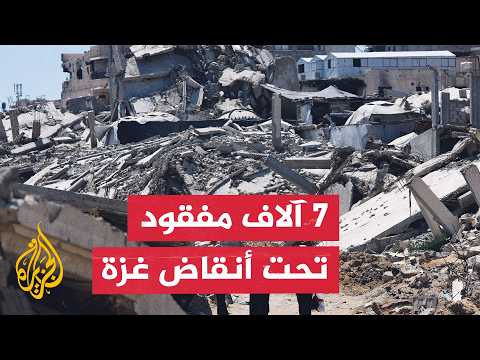
More than 7,000 missing under the rubble and 90% destruction of homes in Gaza
STANCE
00:00
05:00
2 intervals • swipe left
More than 7,000 missing under the rubble and 90% destruction of homes in Gaza
A UN report indicates that approximately 90% of homes and infrastructure in Gaza have been destroyed, with Israel obstructing humanitarian aid. The situation has led to over 7,000 people missing under rubble, highlightin…
FULL
00:00–05:00
A UN report indicates that approximately 90% of homes and infrastructure in Gaza have been destroyed, with Israel obstructing humanitarian aid. The situation has led to over 7,000 people missing under rubble, highlighting a severe humanitarian crisis in the region.
- A UN report highlights that approximately 90% of homes and infrastructure in Gaza have been destroyed, with Israel allegedly obstructing humanitarian aid, violating international law
- The situation in Gaza is described as a severe humanitarian crisis, exacerbated by Israeli military control over 65% of the territory, which hampers access to essential services like water and waste management
- The ongoing destruction has led to thousands of people being trapped under rubble, with urgent calls for the opening of borders to allow heavy equipment for rescue and infrastructure repair
- Residents are facing dire living conditions, including inadequate sanitation and lack of clean drinking water, as many have been displaced into makeshift camps lacking basic necessities
- The report emphasizes the need for international intervention to halt ongoing violations and to facilitate the return of displaced Palestinians, underscoring the necessity for political will to resolve the Palestinian issue
Read full analysis
STANCE
STANCE MAP
Allegations against Israel
- Israel is accused of deliberately destroying homes and infrastructure in Gaza
Neutral / Shared
- Over 7,000 individuals are reported missing under the rubble
FULL
05:00–10:00
A UN report indicates that approximately 90% of homes and infrastructure in Gaza have been destroyed, with over 7,000 people reported missing under rubble. The situation highlights a severe humanitarian crisis exacerbated by the obstruction of humanitarian aid.
- The urgent need for heavy logistical equipment is highlighted to repair essential infrastructure, including water and sewage systems in Gaza
- Over 7,500 individuals are reported missing under the rubble, necessitating immediate rescue efforts and the provision of humanitarian aid
- The ongoing destruction has severely impacted living conditions, with residents lacking access to basic necessities such as clean water and sanitation
- The report emphasizes the critical situation faced by the population and the need for international intervention to address these humanitarian crises
Loading more...