




Polymarket question
US x Iran permanent peace deal by...?
June 30June 7June 15December 31July 31October 31August 31
Escalating Military Tensions Complicate U.S.-Iran Peace Deal Prospects
Recent military escalations between Iran and Israel raise significant doubts about the feasibility of a U.S.-Iran permanent peace deal by any proposed date.
WHAT CHANGED
The latest materials highlight a marked increase in military tensions between Iran and Israel, with missile strikes and retaliatory actions complicating the diplomatic landscape. This escalation suggests that achieving a peace deal by the proposed dates is increasingly unlikely.
SITUATION
The geopolitical landscape surrounding U.S.-Iran negotiations has become increasingly fraught with military tensions, particularly following Iranian missile strikes on Israel and subsequent Israeli retaliatory actions. The U.S. must navigate these complexities, as President Trump's hardening stance and the inability to control Israeli actions further complicate the potential for a lasting peace deal. Additionally, Iran's strategic leverage in the Strait of Hormuz and its military readiness pose significant challenges to U.S. diplomatic efforts. The interplay of domestic political pressures in both the U.S. and Israel adds another layer of difficulty, as leaders face electoral scrutiny that may drive them towards more aggressive postures rather than diplomatic engagement.
WATCHLIST
- Monitor further military escalations and diplomatic efforts.
CONCLUSION
The path to a U.S.-Iran permanent peace deal is increasingly complicated by military tensions, making any proposed deadlines highly uncertain.
Art Argentum scoring
#1December 31
25.00%moderate
#2June 30
20.00%moderate
#3June 15
15.00%weak
#4June 7
0.00%minimal
#5July 31
0.00%minimal
#6October 31
0.00%minimal
#7August 31
0.00%minimal
Source-material body
5 indexed items

MATERIAL SUMMARY
The ongoing negotiations between the U.S. and Iran remain fraught with challenges, particularly due to a lack of trust stemming from past U.S. actions, including the withdrawal from the 2018 nuclear deal. Iran's leadership is hesitant to engage in a comprehensive agreement without assurances that the U.S. can control Israel's actions, which they view as a significant threat to any potential deal.
The geopolitical landscape in the Gulf has shifted, with Iran asserting control over the Strait of Hormuz, which they now consider an asset rather than a shared international waterway. This shift has implications for regional security, as Gulf states reassess their reliance on U.S. protection and consider alternative alliances, particularly with China and Russia.
GENERAL ANALYSIS
Argument
The U.S. must be able to control Israel for any deal with Iran to be viable, indicating that Israeli actions could undermine negotiations. This dependency on Israeli compliance complicates the U.S.-Iran relationship, as any agreement could be jeopardized by Israeli military actions or political decisions. The limitation lies in the current inability of the U.S. to exert such control, which raises doubts about the feasibility of a lasting peace deal.
Quotes
00:00-05:00
Any deal, MOU, other deal, Iran signs with the United States, has to be contingent on the US being able to control Israel.
GENERAL ANALYSIS
Argument
Iran may be willing to sign a memorandum of understanding to end the war, indicating a potential for limited diplomatic engagement. However, the complexity of the situation, including ongoing violence in Lebanon and the need for sanctions relief, complicates the path to a comprehensive peace deal. The limitation is that without addressing these broader issues, any agreement may lack substance and sustainability.
Quotes
00:00-05:00
I think the Iranians may find that a larger deal is improbable, is extremely difficult. But the memorandum of understanding to end the war, probably something that they're willing to sign on to.
MECHANISM
Mechanism
The U.S. ability to influence Israeli actions is critical for any potential peace deal with Iran, as Israeli military operations could derail negotiations. Current limitations in U.S. control over Israel raise significant doubts about the feasibility of a lasting agreement. Additionally, while Iran may be open to signing a memorandum of understanding to end hostilities, broader geopolitical issues, including ongoing violence and the need for sanctions relief, complicate the path to a comprehensive peace deal.
VIDEO INSIGHTS 1
00:00-05:00U.S.-Iran negotiations and regional security
The U.S. must demonstrate control over Israel to facilitate any deal with Iran, as trust is severely lacking due to past U.S. actions. Iran's leadership is cautious about signing agreements that could lead to further conflict, reflecting a broader skepticism about U.S. reliability.
Donald TrumpIranIsraelUAEU.S.-Iran diplomatic relationsMiddle East conflict dynamics
05:00-10:00Iran's strategic leverage in the Strait of Hormuz
Iran's control over the Strait of Hormuz is now viewed as a strategic asset, allowing them to leverage their position against U.S. sanctions. This control signals a shift in regional power dynamics, indicating that U.S. containment efforts have failed.
IranU.S.Gulf StatesStrait of Hormuz controlIranian geopolitical strategy
VIDEO INSIGHTS 2
10:00-15:00Gulf States' security reassessment
Gulf States are reconsidering their security relationships in light of U.S. failures to protect them from Iranian aggression, leading to potential shifts towards China and Russia for security partnerships. The trust in U.S. security guarantees has been fundamentally undermined.
Gulf StatesChinaRussiaGulf security dynamicsU.S. foreign policy impact
15:00-20:00Iran's military readiness and strategic gains
Iran's military has demonstrated unexpected resilience and strategic gains in recent conflicts, challenging U.S. expectations. The Iranian leadership is now focused on translating battlefield successes into political and economic advantages, particularly regarding sanctions relief.
IranU.S.IsraelIranian military strategyU.S.-Iran conflict outcomes
VIDEO INSIGHTS 3
20:00-25:00U.S. diplomatic ignorance regarding Iran
The U.S. administration's lack of understanding and curiosity about Iran's complex political landscape has hindered effective diplomacy. This ignorance has led to miscalculations in U.S. foreign policy and a failure to recognize Iran's strategic capabilities.
Donald TrumpMarco RubioIranU.S. diplomatic strategyIranian political dynamics
25:00-30:00Iran's conditions for a potential deal
Iran's willingness to negotiate is contingent upon the U.S. addressing key issues such as sanctions relief and the status of military actions in Lebanon. The Iranian leadership is under pressure to ensure that any agreement does not compromise their regional influence.
IranU.S.LebanonIranian negotiation strategyMiddle East conflict resolution

MATERIAL SUMMARY
Tensions escalate between the U.S. and Iran following U.S. military strikes in response to the downing of an Apache helicopter, reportedly by an Iranian drone. Iran retaliated with missile and drone attacks on U.S. military bases, while humanitarian crises unfold in Gaza and Lebanon, with significant casualties reported and accusations of extrajudicial punishments by armed groups.
In the U.S., immigration policies under President Trump face scrutiny as a federal judge blocks Alabama's nitrogen gas execution method, and House Republicans approve a $70 billion budget for immigration enforcement. Meanwhile, primary elections in several states see significant political shifts, including a Democratic primary win in Maine and a GOP primary loss for Congressmember Nancy Mace in South Carolina.
GENERAL ANALYSIS
Argument
Tensions between the U.S. and Iran are escalating, complicating the prospects for a permanent peace deal. President Trump's statement that Iran will 'have to pay the price' for delays in negotiations indicates a hardening stance that could hinder diplomatic efforts. Additionally, ongoing military actions, including U.S. strikes in response to the downing of an Apache helicopter, further exacerbate the situation, making a ceasefire and lasting peace more elusive.
Quotes
00:00-05:00
President Trump posted on Truth Social, Iran's taken too long to negotiate a ceasefire deal, and will now have to, quote-unquote, pay the price. This comes, as the U.S. military says, it completed strikes against Iran that were reportedly in response to the downing of the U.S. Apache helicopter near the Strait of Hormuz.
MECHANISM
Mechanism
Escalating tensions between the U.S. and Iran complicate the likelihood of a permanent peace deal. President Trump's recent remarks indicate a hardening stance, suggesting that delays in negotiations could lead to punitive measures. Ongoing military actions, including U.S. strikes in response to provocations, further hinder diplomatic efforts, making a ceasefire increasingly difficult.
VIDEO INSIGHTS 1
00:00-05:00U.S.-Iran military engagement
U.S. military strikes against Iran follow the downing of an Apache helicopter, with Iran claiming 20,000 citizens lost access to drinking water due to the strikes. The Apache helicopter's cost ranges from $52 million to over $100 million, while Iranian drones are significantly cheaper at approximately $35,000.
U.S. militaryIranApache helicopterShahadron20,000$52 million$100 million$35,000U.S.-Iran military engagementMiddle East humanitarian crisis
05:00-10:00U.S. immigration policy funding
House Republicans approved a $70 billion budget reconciliation package to fund Trump's immigration policies, adding to the $170 billion allocated last year for ICE and Border Patrol. This funding comes amid ongoing investigations into the separation of immigrant families and the detention of children.
House RepublicansICETrump administration$70 billion$170 billionU.S. immigration policy fundingfamily separation investigations
VIDEO INSIGHTS 2
10:00-15:00U.S. primary election outcomes
In recent primary elections, Graham Platner won the Democratic primary in Maine with 72% of the vote, challenging incumbent Susan Collins. In South Carolina, Congressmember Nancy Mace lost her GOP primary, marking a significant political shift in the state.
Graham PlatnerSusan CollinsNancy Mace72%U.S. primary election outcomespolitical shifts in South Carolina

MATERIAL SUMMARY
Tensions between Israel and Iran have escalated following Iranian missile strikes on Israel, prompting a military response from Israel. The relationship between Israeli Prime Minister Benjamin Netanyahu and U.S. President Donald Trump is strained due to diverging interests, particularly regarding Iran's nuclear ambitions and regional influence, with both leaders facing domestic political pressures.
Trump's desire to negotiate with Iran contrasts with Israel's need for a strong military stance against Iranian aggression, complicating the geopolitical landscape. As Netanyahu approaches elections, he risks appearing weak if he cannot effectively respond to Iranian threats, while Trump’s insistence on restraint may undermine Israel's security objectives.
GENERAL ANALYSIS
Argument
The U.S. and Israel face diverging interests regarding Iran, complicating the path to a permanent peace deal. Trump is under pressure to negotiate with Iran to bolster his popularity ahead of midterms, while Netanyahu is concerned about appearing weak before elections. This friction is exacerbated by the ongoing military responses and the perception that Iran is leveraging its influence in the region, particularly through its support of Hezbollah, which complicates U.S. diplomatic efforts.
Quotes
00:00-05:00
And if you want to be really nakedly political about this, for example, Trump has interests going into midterms, his personal popularity, the needs of his electorates of the American public, all pushing him to try and you see him desperately trying to come to an agreement with Iran. And you see an Iran recognizing his desperation and playing hard to get. And you have Netanyahu also heading to elections in maximum of three months or so, very, very difficult political position.
MECHANISM
Mechanism
Diverging interests between the U.S. and Israel complicate the potential for a permanent peace deal with Iran. Political pressures on both sides, particularly with Trump seeking to enhance his popularity ahead of the midterms and Netanyahu facing electoral scrutiny, create a challenging environment for negotiations. The ongoing military responses and Iran's regional influence further complicate U.S. diplomatic efforts.
VIDEO INSIGHTS 1
00:00-05:00U.S.-Israel relations and Iranian military threats
The U.S. and Israel are aligned in their goal to counter Iran's nuclear program, but diverging interests complicate their cooperation. Trump is focused on domestic electoral pressures, while Netanyahu faces a challenging political landscape ahead of elections, risking perceptions of weakness if unable to respond to Iranian aggression.
Benjamin NetanyahuDonald TrumpIran3 months28thU.S.-Israel military cooperationIranian missile threat responseU.S. electoral pressures
05:00-10:00Iran's nuclear enrichment and regional proxies
Trump's shifting stance on Iran's uranium enrichment raises concerns in Israel about the effectiveness of U.S. negotiations. Israel's military actions against Iranian proxies in Lebanon are complicated by U.S. diplomatic efforts, leading to friction between the two allies.
HezbollahIran20 years400 kilosIran nuclear deal negotiationsHezbollah military actionsU.S.-Israel military strategy
VIDEO INSIGHTS 2
10:00-15:00Israeli elections and political dynamics
As Netanyahu's Likud party faces declining poll numbers, potential challengers like Gadi Eisenkot are gaining traction. The political landscape is fluid, with coalition dynamics and voter sentiment shifting as the elections approach.
Gadi EisenkotYair LapidNaftali Bennett61120Israeli electoral dynamicsLikud party challengescoalition government formation
15:00-20:00Public perception of leadership in Israel
Recent polls indicate a shift in public sentiment, with Eisenkot emerging as a viable alternative to Netanyahu. This reflects growing dissatisfaction with Netanyahu's leadership amid ongoing security challenges and political controversies.
Benjamin NetanyahuGadi Eisenkot501517Israeli public opinionleadership approval ratingspolitical party dynamics
VIDEO INSIGHTS 3
20:00-25:00Far-right political dynamics in Israel
The far-right parties, including those led by Smotrich and Ben-Gvir, are solidifying their positions ahead of the elections. Netanyahu may seek to consolidate right-wing votes by encouraging party mergers to avoid wasted votes.
Bezalel SmotrichItamar Ben-Gvir3.25%8910Israeli far-right electoral strategyparty merger dynamicsvoter threshold implications

MATERIAL SUMMARY
Iran has launched ballistic missile strikes against Israel in retaliation for Israeli airstrikes on Hezbollah positions in Beirut, marking a significant escalation in the ongoing conflict. The Israeli Air Force intercepted most of the missiles, with no reported injuries or damage, while Israel subsequently targeted Iranian facilities in response.
The conflict has implications for U.S.-Iran negotiations regarding Iran's nuclear program, as President Trump urged Israel not to retaliate. Meanwhile, Israel's military operations in southern Lebanon have revealed extensive Hezbollah tunnel systems, indicating a strategic military buildup supported by Iran.
GENERAL ANALYSIS
Argument
The recent escalation of military conflict between Iran and Israel complicates the prospects for a U.S.-Iran permanent peace deal. Iran's missile strikes on Israel and Israel's retaliatory actions indicate a significant deterioration in relations, which could derail ongoing negotiations. However, the situation remains fluid, as U.S. President Trump’s stance on whether to pursue a deal with Iran could influence the trajectory of these conflicts and negotiations.
Quotes
05:00-10:00
But of course there is the bigger picture here which is this going to derail the talks between the US and Iran regarding this ceasefire that will hopefully see Iran's nuclear you know program being shut down. But that of course we don't know exactly where that's going now because the war might actually be back on.
MECHANISM
Mechanism
The escalation of military conflict between Iran and Israel poses significant challenges to the prospects of a U.S.-Iran permanent peace deal. Iran's missile strikes on Israel and subsequent retaliatory actions indicate a deterioration in relations that could hinder ongoing negotiations. The fluidity of the situation, particularly influenced by U.S. President Trump's decisions, adds further complexity to the potential for a resolution.
VIDEO INSIGHTS 1
00:00-05:00Iran-Israel military escalation
Iran launched approximately 10 ballistic missiles at Israel in response to Israeli airstrikes on Hezbollah in Beirut, with Israel intercepting most missiles and reporting no significant damage. This escalation raises concerns about the potential derailment of U.S.-Iran nuclear negotiations.
IranIsraelHezbollahU.S.Donald Trump1045 minutes21Iran-Israel military conflictU.S.-Iran nuclear negotiations
05:00-10:00U.S. influence on Israeli military response
Despite President Trump's advice against retaliation, Israel proceeded with military strikes against Iran, indicating a potential shift in Israeli security policy influenced by U.S. negotiations with Iran. The situation remains fluid, with schools closed and air travel continuing amid the conflict.
IsraelU.S.Donald TrumpU.S.-Israel security policyIran-Israel military conflict
VIDEO INSIGHTS 2
10:00-15:00Hezbollah tunnel systems in Lebanon
The Israeli military has uncovered a significant Hezbollah tunnel system in southern Lebanon, built with Iranian assistance, which poses a strategic threat to northern Israel. The Israeli army is actively working to demolish these tunnels to prevent future attacks.
HezbollahIranIsraelHezbollah military capabilitiesIran-Israel conflict
15:00-20:00Israeli domestic security incidents
A terrorist attack in Israel resulted in one death and several injuries, highlighting ongoing domestic security challenges amid the broader conflict with Iran. The attacker was an Israeli citizen, complicating the security landscape.
Israel15Israeli domestic securityIran-Israel conflict
VIDEO INSIGHTS 3
20:00-25:00Integration of women in elite military units
The Israeli army has successfully integrated its first female combat soldier into the elite Sayyarat Matkal unit, reflecting ongoing efforts to expand roles for women in military operations. This development may influence future recruitment and operational strategies.
IsraelSayyarat Matkalmilitary gender integrationIsraeli defense forces
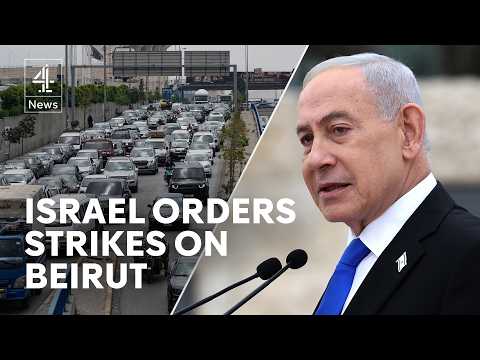
MATERIAL SUMMARY
Tensions in Lebanon are escalating as Israeli Prime Minister Benjamin Netanyahu threatens to bomb Beirut, marking a significant shift in military strategy. The U.S. has indicated that it will not deploy troops to Beirut, despite ongoing skirmishes between U.S. and Iranian forces, and the potential for a broader conflict involving Iran and Hezbollah.
The situation is precarious, with Iran warning that any Israeli attacks on Beirut would halt diplomatic negotiations and could lead to retaliatory strikes against Israel. Netanyahu's actions may be driven by both external pressures regarding Iran and internal political challenges, as he seeks to consolidate power amid upcoming elections.
GENERAL ANALYSIS
Argument
The potential for a US-Iran permanent peace deal is complicated by ongoing military tensions in the region, particularly involving Israel and Hezbollah. The situation escalates as Israel threatens military action in Lebanon, which Iran claims would halt all negotiations. This dynamic illustrates the fragility of diplomatic efforts, as any Israeli aggression could provoke Iranian retaliation, undermining the peace process.
Quotes
00:00-05:00
For the Americans, Lebanon may be a second front. But Iran says any deal must include Israel and his bolla. An obvious reason for the escalation in the atrocities by the Zionist regime over recent days in Lebanon is to destroy even the slightest possibility for the ongoing diplomatic processes to lead to improvements in the situation.
GENERAL ANALYSIS
Argument
Domestic political pressures in Israel may further hinder the prospects for a peace deal. Netanyahu's government faces challenges that could drive it to escalate military actions as a means to consolidate power and distract from internal issues. This suggests that the stability required for negotiations may be undermined by the need for political maneuvering within Israel.
Quotes
05:00-10:00
Domestically, he faces many challenges. The elections are within few months, as you know. And therefore he's trying to renew a war in any possible form.
MECHANISM
Mechanism
Ongoing military tensions in the region, particularly involving Israel and Hezbollah, complicate the potential for a US-Iran permanent peace deal. Any Israeli military action could provoke Iranian retaliation, undermining diplomatic efforts. Additionally, domestic political pressures in Israel may drive the Netanyahu government to escalate military actions, further destabilizing the environment necessary for negotiations.
VIDEO INSIGHTS 1
00:00-05:00Israeli military strategy in Lebanon
Netanyahu has ordered the IDF to target Hezbollah positions in Beirut, indicating a shift from previous military operations focused on southern Lebanon. The U.S. has granted Israel a 'license' to attack, which could escalate tensions with Iran, who has threatened to retaliate if strikes occur.
Benjamin NetanyahuHezbollahIranU.S.Israeli military operationsU.S.-Iran relationsHezbollah's military capabilities
05:00-10:00Geopolitical implications of Israeli actions
The potential for renewed conflict in Lebanon raises concerns about a wider war involving Iran, as Netanyahu may be attempting to sabotage U.S.-Iran negotiations. The internal political landscape in Israel, including upcoming elections, may also influence Netanyahu's military decisions.
Donald TrumpIranNetanyahuU.S.-Iran negotiationsIsraeli domestic politicsMiddle East conflict dynamics
Loading more...