




Polymarket question
US x Iran diplomatic meeting by...?
June 30June 19June 21July 31
Escalating Tensions Complicate US-Iran Diplomatic Meeting Prospects
Recent military actions and geopolitical dynamics hinder the likelihood of a US-Iran diplomatic meeting, with significant implications for regional stability.
WHAT CHANGED
The latest materials highlight a significant escalation in military tensions between the US and Iran, particularly following Iran's retaliatory strikes and the fragile ceasefire. This volatility complicates the potential for scheduled diplomatic meetings, as aggressive rhetoric from US officials continues to create barriers to engagement.
SITUATION
The geopolitical landscape surrounding a potential US-Iran diplomatic meeting is increasingly fraught with challenges. Recent military exchanges, including Iran's strikes against US facilities and ongoing tensions in Lebanon, have created a fragile ceasefire that complicates diplomatic efforts. The US's aggressive posturing, particularly from former President Trump, has led to Iranian negotiators walking out of talks, indicating a significant barrier to constructive dialogue. Additionally, the influence of neoconservative factions in the US and the ongoing conflict in Lebanon further complicate the situation, as Israel's military actions against Hezbollah add another layer of complexity to US-Iran relations. The current environment suggests that any potential meeting will face substantial obstacles, impacting the timeline for such discussions.
WATCHLIST
- Monitor developments in military tensions and ceasefire agreements
CONCLUSION
The potential for a US-Iran diplomatic meeting remains clouded by escalating military tensions and aggressive rhetoric from US officials. The current geopolitical landscape suggests that any scheduled meetings will face significant obstacles, impacting the timeline for diplomatic engagement.
Art Argentum scoring
#1July 31
35.00%moderate support
#2June 21
30.00%moderate support
#3June 19
25.00%strong support
#4June 30
20.00%strong support
Source-material body
18 indexed items

MATERIAL SUMMARY
Iran has launched retaliatory strikes against U.S. military facilities in Kuwait and Bahrain following U.S. airstrikes targeting Iranian positions. President Trump has warned that if the U.S. is forced to take further military action, Iran will cease to exist, indicating a significant escalation in tensions between the two nations.
The conflict has intensified with Iran's attacks on commercial vessels in the Strait of Hormuz, prompting U.S. military responses. Iran claims it is adhering to a ceasefire agreement, while the U.S. aims to diminish Iran's leverage in the region amidst ongoing negotiations involving other players, including Israel and Hezbollah.
GENERAL ANALYSIS
Argument
The ongoing military exchanges between the U.S. and Iran indicate a fragile ceasefire that complicates diplomatic efforts. Iran's military actions, including strikes on U.S. facilities and vessels, suggest a willingness to escalate tensions, which could hinder any potential meetings. Additionally, Iran's insistence on adhering to its agreements while simultaneously leveraging its position in the Strait of Hormuz creates a complex environment for negotiations.
Quotes
00:00-05:00
There was always a built-in fragility to this ceasefire, the cracks now becoming ever more apparent. Iran this morning launching strikes in response it said to U.S. attacks hours earlier, saying it was targeting U.S. military facilities in Q8 and in Bahrain, where an apartment building was struck. Iran's Islamic Revolutionary Guard Corps saying violations of the ceasefire by the U.S. would lead to a suspension of the processes set out under the two countries' memorandum of understanding.
MECHANISM
Mechanism
Ongoing military exchanges between the U.S. and Iran indicate a fragile ceasefire, complicating diplomatic efforts. Iran's military actions, including strikes on U.S. facilities, suggest a willingness to escalate tensions, which could hinder potential meetings. The situation in the Strait of Hormuz further complicates negotiations, as Iran leverages its strategic position while adhering to its agreements.
VIDEO INSIGHTS 1
00:00-05:00U.S.-Iran military escalation
Iran's Islamic Revolutionary Guard Corps has stated that U.S. violations of the ceasefire will lead to a suspension of the memorandum of understanding. The U.S. military has conducted strikes on 10 Iranian targets following drone attacks on commercial vessels, with President Trump indicating a potential for complete military action against Iran.
IranU.S. militaryIslamic Revolutionary Guard CorpsPresident Trump102026-06-28U.S.-Iran military engagementStrait of Hormuz shipping securityMiddle East geopolitical tensions

MATERIAL SUMMARY
Civilians in Southern Lebanon are attempting to return home following a ceasefire agreement between the U.S. and Iran, which temporarily halted hostilities. However, Israel's military response to the elimination of its soldiers has led to renewed violence, forcing many to flee once again and prompting Iran to close the Strait of Hormuz to commercial shipping.
The situation on the ground reveals a mix of cautious optimism among locals and the looming threat of Israeli military actions. Reports indicate that resistance forces have successfully targeted Israeli tanks, resulting in significant casualties, while Israel's retaliatory strikes have led to civilian deaths, exacerbating the humanitarian crisis.
GENERAL ANALYSIS
Argument
The recent ceasefire agreement between the U.S. and Iran indicates a potential for diplomatic engagement, as it establishes terms that could facilitate further discussions. However, the effectiveness of this agreement is limited by the ongoing tensions in the region and the question of U.S. influence over Israel, which may complicate future meetings.
Quotes
00:00-05:00
After three and a half months of Israeli strikes, the news have finally emerged that Iran had negotiated a memorandum of understanding with the United States, which drew a clear red line around Lebanon. Under its terms, Iran would reopen the state of her moves to commercial shipping, and Israel would no longer be allowed to attack Lebanon with impunity.
MECHANISM
Mechanism
The recent ceasefire agreement between the U.S. and Iran establishes terms that could facilitate further diplomatic discussions. However, ongoing regional tensions and the influence of U.S. relations with Israel may complicate the feasibility of scheduling a meeting. The effectiveness of this agreement remains uncertain, as it hinges on the broader geopolitical landscape.
VIDEO INSIGHTS 1
00:00-05:00U.S.-Iran ceasefire implications
The U.S. and Iran reached a ceasefire agreement that temporarily halts Israeli military actions in Lebanon, with Iran threatening to reimpose a naval blockade on the Strait of Hormuz if Israel violates the terms. This agreement has led to a brief resurgence of civilian life in Southern Lebanon, as residents attempt to return home after months of conflict.
U.S.IranIsraelJune 16three and a half monthsU.S.-Iran diplomatic relationsIsraeli military strategyStrait of Hormuz shipping routes
10:00-15:00Israeli military casualties and civilian impact
Resistance forces in Lebanon targeted an Israeli tank, resulting in the deaths of three Israeli soldiers and significant casualties in subsequent retaliatory strikes by Israel, which killed 83 civilians, including women and children. This cycle of violence has forced many Lebanese to flee their homes once again, highlighting the ongoing humanitarian crisis.
Israeli Defense ForcesHezbollah15 casualties83 killedIsraeli military operationsLebanese civilian safetyhumanitarian crisis in Lebanon
SOURCE

MATERIAL SUMMARY
Michael Casey, former Director of the National Counterintelligence and Security Center, expresses concerns over significant personnel cuts at the Office of the Director of National Intelligence (ODNI), which could undermine U.S. counterintelligence capabilities. He warns that these reductions, potentially affecting hundreds of positions, may create vulnerabilities as adversaries like Russia and China intensify their influence operations and economic espionage.
Casey emphasizes the critical role of counterintelligence in national security, particularly as artificial intelligence evolves the threat landscape. He argues that the lack of coordination among intelligence agencies, exacerbated by staffing cuts, could lead to missed threats and increased risks from foreign adversaries exploiting U.S. weaknesses.
GENERAL ANALYSIS
Argument
The reduction in staffing at the Office of Director of National Intelligence could significantly impair the U.S. counterintelligence capabilities, which are crucial for effective diplomatic engagement. As the source notes, 'you've got to remember that the cuts that are going on right now under a poultry are on top of the cuts that already happened under Tulsi and that was director Gavrid reduced the head count by something like 40%.' This cumulative reduction raises concerns about the ability to coordinate effectively against increasing threats, potentially complicating any diplomatic meetings with Iran.
Quotes
00:00-05:00
you've got to remember that the cuts that are going on right now under a poultry are on top of the cuts that already happened under Tulsi and that was director Gavrid reduced the head count by something like 40%.
MECHANISM
Mechanism
The significant staffing reductions at the Office of Director of National Intelligence could hinder U.S. counterintelligence efforts, which are vital for successful diplomatic negotiations. A noted 40% decrease in personnel raises concerns about the U.S. ability to effectively manage threats, potentially complicating any forthcoming diplomatic meetings with Iran.
VIDEO INSIGHTS 1
00:00-05:00ODNI staffing reductions and intelligence reform
The Acting Director of National Intelligence, Bill Pulti, has initiated personnel cuts targeting political appointees, with reports suggesting potential reductions of hundreds of positions, particularly within the National Counterintelligence Center (NCSC) and the National Counterintelligence and Security Center (NCSE). This follows previous cuts under Director Tulsi, which already reduced headcount by approximately 40%.
Bill PultiNational Counterintelligence CenterNational Counterintelligence and Security Center40%hundredsU.S. intelligence community staffing changesnational security vulnerabilities
05:00-10:00China's espionage and technology acquisition efforts
Casey highlights the increasing focus of China on non-traditional intelligence collection methods, including economic espionage and influence operations, which are becoming more sophisticated with advancements in technology. The reduction in U.S. counterintelligence capabilities may leave significant gaps for adversaries to exploit.
ChinaFBIChina's economic espionageU.S. counterintelligence capabilities
VIDEO INSIGHTS 2
10:00-15:00AI-enabled threats and foreign intelligence activity
The Five Eyes intelligence alliance has warned that advancements in artificial intelligence are rapidly changing the threat landscape, with adversaries like China leveraging AI for recruitment and influence operations. This evolution poses a challenge for U.S. counterintelligence, which is already facing reduced capacity and coordination.
Five EyesChinaAI in intelligence operationsforeign influence operations
15:00-20:00Russian influence operations and information warfare
Casey notes that Russia has been actively engaging in sabotage operations in Europe, and the U.S. intelligence community has played a crucial role in countering these efforts. However, the reduction in counterintelligence capabilities may hinder the U.S.'s ability to effectively respond to such threats.
RussiaU.S. intelligence communityRussian influence operationsU.S. counterintelligence response
VIDEO INSIGHTS 3
20:00-25:00Public awareness in national security
Casey stresses the importance of public awareness regarding foreign influence operations, suggesting that a lack of understanding among Americans about these threats could be exploited by adversaries. He calls for a coordinated effort to educate the public on recognizing and responding to such threats.
public awareness of foreign influencenational security education

MATERIAL SUMMARY
The ongoing conflict between the U.S. and Iran has escalated, with significant implications for regional stability and international negotiations. Tensions have been exacerbated by threats from former President Trump, which have hindered direct negotiations, leading to a shift in Iran's diplomatic posture and increased regional influence.
Iran's strategic position has improved following the war, as it has managed to leverage its military capabilities and regional alliances to counter U.S. actions. The negotiations have revealed stark contrasts between U.S. claims and Iranian realities, particularly regarding economic concessions and military agreements, indicating a potential shift in power dynamics.
GENERAL ANALYSIS
Argument
The Iranian delegation's refusal to negotiate under threats from the U.S. illustrates a significant barrier to diplomatic meetings. The mechanism of hostility, as articulated by Iranian negotiator Mohammed Baghur Galibaf, directly impacted the willingness to engage in discussions, leading to the termination of initial talks. This highlights the limitation that external pressures and aggressive rhetoric can derail diplomatic efforts before they even begin.
Quotes
00:00-05:00
Galibaf says that they then ended the negotiations with JD Vance before they even began. And the Iranian delegation then walked out of the meetings with JD Vance and they were, according to Galibaf, discussing actually leaving Switzerland entirely.
MECHANISM
Mechanism
Hostile rhetoric from the U.S. has created significant barriers to diplomatic engagement with Iran. The Iranian delegation's refusal to negotiate under perceived threats illustrates how external pressures can derail discussions before they commence, as evidenced by the termination of initial talks with U.S. representatives. This dynamic underscores the challenges faced in achieving a diplomatic meeting.
VIDEO INSIGHTS 1
00:00-05:00U.S.-Iran Negotiation Dynamics
Iran's lead negotiator, Mohammed Baghur Galibaf, stated that direct negotiations with the U.S. were halted due to threats from Trump, leading to a shift to indirect negotiations. The Iranian delegation expressed that they would not negotiate under hostile conditions, highlighting the impact of U.S. rhetoric on diplomatic efforts.
Mohammed Baghur GalibafDonald TrumpJD VanceU.S.-Iran negotiation dynamicsTrump's diplomatic threats
05:00-10:00Iran's Economic Position
Both the U.S. and Iran acknowledged a multi-billion dollar unfreezing of Iranian assets, with Iran asserting that these funds are unrestricted. This development indicates a significant shift in Iran's economic leverage amidst ongoing sanctions and military conflict.
IranU.S.$12.5 billionIranian asset unfreezingU.S. economic sanctions
VIDEO INSIGHTS 2
10:00-15:00Strait of Hormuz Control
Iran plans to impose fees on the Strait of Hormuz after an initial 60-day period of free passage, framing these as security and logistical fees. This move could impact global oil shipping routes and reflects Iran's strategic shift in managing its maritime interests.
IranStrait of HormuzStrait of Hormuz controlglobal oil shipping routes
15:00-20:00Iran's Military Strategy
Iran has adapted its military strategy to leverage asymmetric warfare, targeting the global economy and U.S. interests. This approach has allowed Iran to maintain a position of strength despite its military budget being significantly lower than that of the U.S.
IranU.S.1%Iranian military strategyasymmetric warfare
VIDEO INSIGHTS 3
20:00-25:00Iran's Regional Diplomacy
Iran is intensifying its regional diplomacy, particularly with China, to bolster its military and economic ties. This shift indicates a strategic pivot away from U.S. influence and towards partnerships that could enhance Iran's global standing.
IranChinaIran-China relationsregional diplomacy
25:00-30:00U.S. Domestic Political Landscape
Trump's narrative surrounding the negotiations reflects a need to maintain a victorious image despite significant concessions to Iran. His reliance on media support to shape public perception highlights the complexities of U.S. domestic politics in the context of foreign policy.
Donald TrumpTrump's foreign policy narrativeU.S. domestic politics
VIDEO INSIGHTS 4
30:00-35:00Iran's Internal Political Dynamics
Internal dissent within Iran regarding negotiations with the U.S. reflects a broader skepticism towards American intentions. This sentiment is fueled by historical grievances and the perception that the U.S. cannot be trusted, influencing Iran's negotiation strategy.
IranIranian internal dissentU.S.-Iran negotiations
35:00-40:00Third-Party Mediation in U.S.-Iran Relations
Third-party countries are playing a crucial role in mediating U.S.-Iran negotiations, potentially easing tensions and facilitating dialogue. This dynamic may help mitigate direct confrontations and create a more favorable environment for diplomatic engagement.
PakistanSaudi Arabiathird-party mediationU.S.-Iran diplomatic engagement

MATERIAL SUMMARY
Negotiations between the U.S. and Iran in Switzerland have faced significant challenges, exacerbated by hostile rhetoric from former President Trump, who threatened Iranian negotiators. The Iranian delegation, led by Speaker Muhammad Bagher Ghalibaf, walked out of direct talks with U.S. officials, citing Trump's threats as a barrier to constructive dialogue, leading to indirect negotiations instead.
The geopolitical landscape is further complicated by ongoing tensions in Lebanon, where Israeli forces are under pressure to act against Hezbollah. The U.S. is attempting to mediate a ceasefire while Iran seeks to strengthen its regional influence, particularly through support for Hezbollah and potential cooperation with Oman and China. The situation reflects a shift in Iran's strategic position, gaining leverage amid U.S. concessions.
GENERAL ANALYSIS
Argument
The ongoing negotiations between the U.S. and Iran are significantly influenced by hostile rhetoric from U.S. officials, which complicates the diplomatic process. Iranian negotiators have expressed that they will not engage under threats, as demonstrated when they walked out of meetings with U.S. representatives after being confronted with aggressive statements from President Trump. This hostile environment creates a barrier to direct negotiations, leading to a reliance on indirect discussions instead.
Quotes
00:00-05:00
Galibaf says that they then ended the negotiations with JD Vance before they even began. And the Iranian delegation then walked out of the meetings with JD Vance and they were according to Galibaf discussing actually leaving Switzerland entirely.
MECHANISM
Mechanism
Hostile rhetoric from U.S. officials complicates negotiations with Iran, as evidenced by Iranian negotiators walking out of meetings when confronted with aggressive statements. This environment fosters reliance on indirect discussions rather than direct negotiations, creating barriers to a diplomatic meeting.
VIDEO INSIGHTS 1
00:00-05:00US-Iran Negotiation Dynamics
Negotiations in Switzerland are hindered by Trump's threats against Iranian officials, leading to a walkout by the Iranian delegation. The U.S. is under pressure to mediate a ceasefire in Lebanon while Iran seeks to leverage its position.
Donald TrumpMuhammad Bagher GhalibafHezbollahUS-Iran negotiation updatesLebanon ceasefire attempts
05:00-10:00Iran's Strategic Position
Iran asserts its position in negotiations, rejecting U.S. claims about asset repatriation and Strait of Hormuz tolls. The Iranian delegation emphasizes its unwillingness to negotiate under threats, indicating a shift in leverage.
JD VanceInternational Atomic Energy Agency$12.5 billionIran asset unfreezingStrait of Hormuz toll negotiations
VIDEO INSIGHTS 2
10:00-15:00Regional Diplomacy and Military Strategy
Iran is enhancing its regional diplomacy, particularly with Oman, to manage the Strait of Hormuz. The U.S. and Israel face challenges in their military strategy in Lebanon, with Iran's influence growing amid ongoing conflict.
OmanUnited StatesIsraelIran-Oman diplomatic relationsIsraeli military strategy in Lebanon
15:00-20:00U.S. Economic Position and Negotiation Leverage
The U.S. has released 9.1 million barrels from its strategic petroleum reserve, indicating economic pressure as negotiations with Iran continue. Trump's rhetoric suggests a fear of economic downturn, impacting his negotiation stance.
U.S. Strategic Petroleum Reserve9.1 million barrelsU.S. strategic petroleum reserve drawdownTrump economic negotiation strategy
VIDEO INSIGHTS 3
20:00-25:00Iran's Military and Economic Strategy
Iran's military strategy has shifted, allowing it to exert influence over global oil markets and challenge U.S. economic stability. The conflict has transformed Iran's position, enabling it to negotiate from a place of strength.
IranUnited StatesIran military strategyU.S. economic stability
25:00-30:00Iran's Negotiation Tactics
Iran refuses to accommodate Trump's demands, maintaining a firm stance in negotiations. The Iranian leadership's internal dynamics reflect skepticism towards U.S. intentions, complicating the negotiation process.
Donald TrumpIranian leadershipIran negotiation tacticsU.S.-Iran relations
VIDEO INSIGHTS 4
30:00-35:00Impact of Historical Context on Negotiations
Historical grievances shape Iran's current negotiation strategy, as past U.S. actions fuel distrust. The Iranian leadership's reluctance to engage with the U.S. reflects a broader sentiment of resistance against perceived aggression.
IranUnited StatesIran historical grievancesU.S.-Iran negotiation dynamics
35:00-40:00Israeli Military Restraint in Lebanon
Israeli forces face operational constraints in Lebanon, with political pressure affecting military decisions. The situation highlights the complexities of the Israeli-Lebanese conflict amid ongoing negotiations.
IsraelHezbollahIsraeli military operationsLebanon conflict dynamics
SOURCE

MATERIAL SUMMARY
In a recent episode of The Deep Focus Show, Dr. Thomas Reifer discusses the implications of the 'madman strategy' in contemporary geopolitics, particularly in relation to Donald Trump's approach to Iran. Drawing parallels to Nixon's tactics during the Vietnam War, Reifer argues that leaders often project unpredictability to gain leverage, which can escalate international tensions and lead to dangerous confrontations.
Reifer emphasizes the historical context of this strategy, referencing Daniel Ellsberg's insights on nuclear risk and decision-making under pressure. He warns that the current geopolitical landscape, marked by aggressive posturing from the U.S. and its allies, particularly Israel, could lead to catastrophic outcomes, especially with the potential use of nuclear weapons in conflicts involving Iran and Russia.
GENERAL ANALYSIS
Argument
The U.S. and Iran are engaged in a complex interplay of military strategies and diplomatic posturing, with both sides adopting aggressive tactics that complicate the potential for a diplomatic meeting. The Iranians, feeling cornered, have prepared for conflict, indicating a willingness to escalate tensions in the Gulf region. However, the unpredictability of leadership on both sides, particularly with Donald Trump's adoption of a 'madman strategy,' raises significant uncertainties about the feasibility of reaching a diplomatic agreement.
Quotes
05:00-10:00
the Iranians felt sure, and they were right, that after the 12-day war in June that the US and Israel were going to attack again. And they prepared as to what they were going to do if Kamini was assassinated and other people were assassinated. They have a very strong repressive bureaucratic regime. And they basically said, if we're faced with this existential risk, we will attack other countries in the Gulf.
MECHANISM
Mechanism
The U.S. and Iran's current military strategies and diplomatic posturing complicate the likelihood of a meeting. Iran's preparations for potential conflict indicate a readiness to escalate tensions, while unpredictable leadership dynamics, particularly from the U.S., introduce further uncertainty into the diplomatic landscape.
VIDEO INSIGHTS 1
00:00-05:00U.S.-Iran nuclear negotiations
Trump claims a deal to end the war with Iran could be reached imminently, despite having made similar assertions multiple times since April. The fragile ceasefire is threatened by ongoing military actions, including the loss of an American Apache helicopter, indicating rising tensions.
Donald TrumpIranIsraelBenjamin Netanyahu37122026-06-23U.S.-Iran nuclear negotiationsMiddle East military escalation
05:00-10:00Iran's military strategy
Iran's military strategy, termed 'Operation Madman', reflects a calculated response to perceived existential threats, showcasing a regime willing to adopt aggressive tactics under pressure. This approach is seen as a reaction to U.S. and Israeli military actions.
IranU.S.Israel12Iran military strategyU.S.-Iran conflict dynamics
VIDEO INSIGHTS 2
10:00-15:00U.S. war of aggression
The U.S. and Israel's actions in the Middle East are characterized as a classic war of aggression, violating international law and leading to an escalating stalemate. The lack of strategic planning has resulted in a more aggressive Iranian regime, complicating the conflict further.
U.S.IsraelIranU.S. war of aggressionMiddle East conflict escalation
15:00-20:00Leadership risk-taking
Leaders facing humiliation or failure are prone to take desperate risks, as exemplified by Trump and Netanyahu's current political situations. This pattern of behavior can lead to reckless decisions in international conflicts, increasing the likelihood of escalation.
Donald TrumpBenjamin Netanyahuleadership risk-takinginternational conflict escalation
VIDEO INSIGHTS 3
20:00-25:00Nuclear weapons threat
The conversation highlights the persistent threat of nuclear weapons, with leaders using the potential for nuclear escalation as a tool of power. The lack of control in military engagements raises concerns about the possibility of catastrophic outcomes.
U.S.RussiaUkraine13,00014,000nuclear weapons threatU.S.-Russia relations
25:00-30:00Corruption in diplomacy
The use of personal connections in U.S. diplomacy, particularly by Trump and his associates, raises concerns about corruption and the effectiveness of foreign policy. The absence of a U.S. ambassador to Moscow exemplifies the disarray in diplomatic relations.
Donald TrumpSteve WhitkovJared Kushnercorruption in diplomacyU.S. foreign policy
VIDEO INSIGHTS 4
30:00-35:00Declining American influence
Trump's approach reflects a denial of America's declining global influence, leading to reckless foreign policy decisions. The potential for global disaster increases as the U.S. disregards international law and norms.
Donald Trumpdeclining American influenceglobal security risks
35:00-40:00Pressure for diplomatic solutions
There is a call for increased pressure on Congress to uphold the War Powers Resolution and pursue diplomatic solutions to ongoing conflicts, particularly in the Middle East and Ukraine. A return to democratic control of foreign policy is deemed essential.
U.S. CongressIsraelUkrainediplomatic solutionsU.S. foreign policy control
MATERIAL SUMMARY
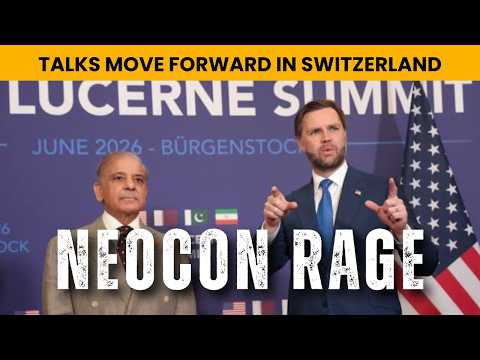
US-Iran negotiations in Geneva, involving JD Vance and Steve Witkoff on the American side and Iranian officials mediated by Pakistan and Qatar, have produced a cautious framework agreement. However, key issues such as Iran's nuclear program and ballistic missiles remain unresolved, with Iran maintaining its demands regarding the Strait of Hormuz and Lebanon.
The talks reflect an American defeat in the ongoing conflict, with neoconservative factions in Washington expressing frustration over the lack of aggressive action against Iran. Despite belligerent rhetoric from Trump, a full-scale resumption of conflict is unlikely before the midterms, as the U.S. seeks to stabilize its petroleum reserves and military inventories.
GENERAL ANALYSIS
Argument
The ongoing negotiations between the United States and Iran are reportedly making progress, with a framework agreement being discussed that aligns with Iranian interests. However, the talks are complicated by the influence of neoconservative factions in the U.S. that oppose any concessions to Iran, which could derail the diplomatic process. The current atmosphere of aggressive rhetoric from figures like Trump, who faces criticism from these factions, adds uncertainty to the likelihood of a successful diplomatic meeting.
Quotes
00:00-05:00
the talks actually progressed and the result was positive, even at Arachi posted on X that the talks have progressed quite a bit, especially on Hormuz, the sea blockade. And there is some sort of a framework that is being put in place for Lebanon to get the fighting in Lebanon to end. Now that is what Pakistan said, Qatar and Arachi. So that's an update on what has happened in Switzerland, 18 hours of talks. 18 hours of talks and one gets the sense that for the first time they're talking about actual real things, but notice they're not talking about apparently, which is Iran's nuclear enrichment program, its uranium enrichment program, which was what of course they were all talking about before 28th of February when the attack took place.
MECHANISM
Mechanism
Ongoing negotiations between the U.S. and Iran are reportedly advancing, with discussions around a framework agreement that could align with Iranian interests. However, the presence of neoconservative factions in the U.S. that oppose concessions complicates the diplomatic landscape, potentially undermining progress. The aggressive rhetoric from political figures adds further uncertainty to the likelihood of a successful meeting.
VIDEO INSIGHTS 1
00:00-05:00US-Iran Negotiation Dynamics
The US-Iran negotiations in Switzerland have resulted in a framework agreement focused on lifting the sea blockade and addressing trade normalization, while key issues like nuclear enrichment remain off the table. The talks indicate a shift towards Iran's agenda, reflecting an American defeat in the conflict.
JD VanceSteve WitkoffIranian Foreign Minister AraqchiGhalibafPakistanQatar18 hoursUS-Iran negotiation frameworkIran nuclear enrichment policyMiddle East conflict resolution
05:00-10:00Neoconservative Influence on US Policy
Neoconservative factions are mobilizing against Trump's negotiation strategy, perceiving it as a betrayal of their agenda for regime change in Iran. The pressure from these groups may influence future U.S. actions, particularly post-midterms.
TrumpLindsey GrahamJohn Bolton4.5 hoursneoconservative political pressureUS foreign policy towards Iran
VIDEO INSIGHTS 2
10:00-15:00US Petroleum Reserve and Military Readiness
Rebuilding the U.S. petroleum reserve is projected to take two to three years, complicating any immediate military action against Iran. The depletion of reserves and military inventories necessitates a cautious approach to avoid economic crisis.
US petroleum reserve2-3 yearsUS military readinesspetroleum reserve restoration timeline
20:00-25:00US-Israel Relations and Lebanon Conflict
Trump faces challenges in managing U.S.-Israel relations, particularly regarding Israeli actions in Lebanon. The need for Israel to withdraw is critical to prevent renewed hostilities with Hezbollah, but political constraints complicate this objective.
TrumpNetanyahuHezbollahUS-Israel diplomatic relationsLebanon conflict management
VIDEO INSIGHTS 3
25:00-30:00GCC Countries' Stance on Iran
Some GCC countries, notably Qatar, are seeking to de-escalate tensions with Iran, diverging from U.S. and Israeli hardline positions. This shift may lead to potential outreach to Iran for regional stability, complicating U.S. interests.
GCCQatarSaudi ArabiaGCC-Iran relationsMiddle East de-escalation efforts
MATERIAL SUMMARY
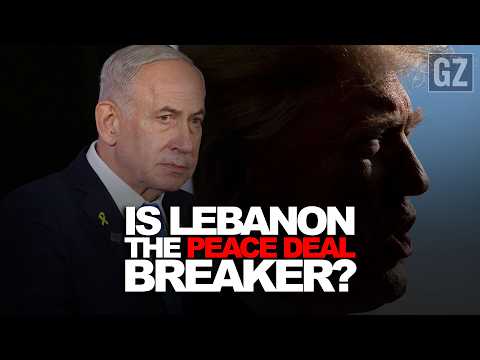
Israeli Prime Minister Benjamin Netanyahu is escalating military actions in Lebanon to undermine the Memorandum of Understanding between the US and Iran. The conflict aims to dismantle Hezbollah's support base, resulting in over 1.5 million displaced individuals and more than 3,000 casualties since March. The US is attempting to separate Lebanon from the Iran deal, despite Iran's insistence on halting Israeli aggression in the region.
Netanyahu's political survival hinges on maintaining conflict, as peace could jeopardize his position amid ongoing legal troubles. His coalition faces pressure from both right-wing factions and the Israeli left, which criticize him for perceived weakness in negotiations. The situation reflects a broader struggle for regional dominance, with Netanyahu's government pushing for military action while facing growing dissent from various political factions.
GENERAL ANALYSIS
Argument
The potential for a US-Iran diplomatic meeting is complicated by ongoing military actions in Lebanon, where Israel's aggressive stance against Hezbollah is a significant factor. The situation is exacerbated by the need for the US to support Israel's right to defend itself while also attempting to engage in diplomatic processes that could lead to regional peace. However, the Israeli government's internal pressures and the ongoing conflict in Lebanon may hinder any meaningful diplomatic progress.
Quotes
00:00-05:00
Well, I think two things, Maria. Number one, we will always support Israel's right to defend itself, and Hezbollah continues to attack neighborhoods, schools, and launch rockets indiscriminately into Israel, but importantly, for the first time, and again, under this president and his leadership, the Lebanese government is sitting down in the room with the Israelis and really taking important steps to finally red-levenon of the cancer that is Hezbollah.
MECHANISM
Mechanism
Ongoing military actions in Lebanon, particularly Israel's aggressive stance against Hezbollah, complicate the potential for a US-Iran diplomatic meeting. The US faces the challenge of supporting Israel's right to defend itself while pursuing diplomatic avenues for regional peace. Internal pressures within the Israeli government and the conflict in Lebanon may obstruct meaningful progress in negotiations.
VIDEO INSIGHTS 1
00:00-05:00US-Iran Memorandum of Understanding and Lebanon
The US-Iran deal reportedly includes provisions regarding Lebanon, which Iran insists must be addressed to halt Israeli attacks. Israel's military actions aim to dismantle Hezbollah's support, leading to significant civilian casualties and displacement.
Benjamin NetanyahuHezbollahIranUS1.5 million3,000US-Iran diplomatic relationsIsraeli military strategy in Lebanon
05:00-10:00Netanyahu's political strategy and military actions
Netanyahu's military strategy in Lebanon is driven by his need to maintain power amid legal challenges. The ongoing conflict serves to distract from domestic issues and solidify his coalition's support, despite increasing casualties and international scrutiny.
Benjamin NetanyahuIsraeli militaryHezbollah1,000Israeli domestic politicsmilitary conflict in Lebanon
VIDEO INSIGHTS 2
10:00-15:00Israeli political dynamics and US-Iran negotiations
Netanyahu faces criticism from both right-wing and left-wing factions in Israel regarding the US-Iran deal, with accusations of weakness undermining his leadership. The political landscape is shifting as various groups position themselves for future coalitions amid ongoing tensions.
Benjamin NetanyahuIsraeli leftUSIranIsraeli political dynamicsUS-Iran negotiations

MATERIAL SUMMARY
Israel and Hezbollah have reached a ceasefire following intensified conflict in Lebanon, which threatened Donald Trump's agreement with Iran. The ceasefire was announced after Hezbollah's attacks resulted in the deaths of four Israeli soldiers, while Israel's military actions led to significant casualties in Lebanon.
The ceasefire agreement, perceived as favorable to Iran, includes a $300 billion fund for Iran's reconstruction, raising concerns among Israeli politicians about the implications of providing financial support to a regime they view as hostile. The ongoing Israeli military presence in southern Lebanon complicates the prospects for lasting peace, especially with upcoming elections in Israel.
GENERAL ANALYSIS
Argument
The likelihood of a US-Iran diplomatic meeting appears low given the current geopolitical tensions and the lack of progress on existing agreements. The memorandum of understanding signed by Mr. Trump, which includes a $300 billion fund for Iran's reconstruction, has sparked significant backlash, particularly from Israeli politicians who view it as a dangerous concession. This backlash, coupled with ongoing military actions in the region, suggests that the environment for constructive dialogue is fraught with challenges.
Quotes
00:00-05:00
The memorandum of understanding Mr. Trump signed on Wednesday includes a $300 billion fund for Iran's reconstruction. And it's not just many Israeli politicians who've been left baffled and enraged. I don't want a lunatic religious fanatic who chance death to America to receive $300 billion, giving people who want to kill you the billions and billions of dollars from any source. Historically has proven an enormous mistake.
MECHANISM
Mechanism
Current geopolitical tensions and the backlash against the recent US-Iran memorandum of understanding complicate the prospects for a diplomatic meeting. The $300 billion fund for Iran's reconstruction has drawn significant criticism, particularly from Israeli politicians, who view it as a dangerous concession. Ongoing military actions in the region further hinder the environment for constructive dialogue.
VIDEO INSIGHTS 1
00:00-05:00US-Iran ceasefire negotiations
The ceasefire was pressured by the US, with Trump asserting control over Israel's military actions in Lebanon despite ongoing conflict. The memorandum of understanding includes a $300 billion fund for Iran's reconstruction, which has sparked outrage among Israeli politicians.
Donald TrumpIsraelHezbollahIran300 billion447US-Iran diplomatic relationsMiddle East conflict resolutionIsraeli military strategy

MATERIAL SUMMARY
Former CIA officer Norm Roule discusses Iran's strategic approach to negotiations with the U.S., suggesting that the ongoing talks may serve Tehran's interests more than a potential agreement. Roule emphasizes that Iran's leadership is focused on maintaining power and leverage, particularly through asymmetric capabilities and regional proxy relationships, while navigating complex geopolitical tensions involving the U.S. and Israel.
Roule outlines the implications of the current stalemate in U.S.-Iran negotiations, highlighting the significance of the Strait of Hormuz for global energy markets and the risks posed by Iranian proxies, including Hezbollah and Iraqi militias. He warns that the situation may lead to a new normal of diplomatic tension, with potential threats to energy infrastructure and regional stability.
GENERAL ANALYSIS
Argument
The complexities of U.S.-Iran negotiations stem from Iran's need to project strength and stability under its new government, which complicates the drafting of any memorandum of understanding (MOU). The Iranian leadership cannot appear weak by conceding to U.S. demands, necessitating that any agreement be framed in a way that allows them to claim a victory domestically. However, this need for a favorable narrative may hinder the speed and flexibility required for effective diplomatic engagement.
Quotes
00:00-05:00
It's important for Iran for a number of reasons. Let's begin with, you have a new government that needs to prove that it is strong, stable, and capable of standing up to its adversaries. And that means up front, it can't be perceived as weak caving to the United States or signing off on something that will seed positions that were held by its predecessors.
GENERAL ANALYSIS
Argument
The U.S. administration faces a challenging environment where any potential agreement must be perceived as a win for Iran to facilitate progress. Reports suggest that Iranian officials are open to negotiations in exchange for significant financial incentives, but the historical context of failed negotiations complicates expectations for success. The need for measurable outcomes from Iran adds another layer of difficulty to the diplomatic process.
Quotes
25:00-30:00
This administration reportedly is saying that there are individuals in the regime who are telling others, we're willing to move in that direction in exchange for massive amount of money.
MECHANISM
Mechanism
U.S.-Iran negotiations are complicated by Iran's need to maintain a strong domestic narrative, which may slow the pace of diplomatic engagement. The Iranian leadership's reluctance to appear weak in front of its populace could hinder the drafting of any agreements, as they must frame discussions in a way that allows for perceived victories. Additionally, the U.S. administration's requirement for any agreement to be seen as a win for Iran adds further complexity, especially given the historical context of failed negotiations and the need for measurable outcomes.
VIDEO INSIGHTS 1
00:00-05:00U.S.-Iran negotiation complexities
Iran's new government is reluctant to appear weak in negotiations, complicating the drafting of any agreement. The regime's survival hinges on maintaining leverage and financial relief, making rapid concessions unlikely.
IranU.S.HezbollahIsraelU.S.-Iran negotiation dynamicsIranian regime stabilityMiddle Eastern power projection
05:00-10:00Hezbollah's role in negotiations
Hezbollah's actions and Iran's support for the group complicate U.S.-Israel relations and influence the negotiation process. Iran aims to leverage Hezbollah's military capabilities to assert regional power.
HezbollahIsraelIranHezbollah military strategyU.S.-Israel diplomatic relations
VIDEO INSIGHTS 2
10:00-15:00Strait of Hormuz and oil supply
Increased shipping traffic through the Strait of Hormuz has temporarily eased oil market pressures, but geopolitical tensions and reduced Chinese purchases complicate long-term supply predictions. A potential spike in oil prices may occur as countries rebuild stockpiles.
Strait of HormuzChinaU.S.$8070soil supply dynamicsglobal energy market trends
15:00-20:00Iraqi militias and regional stability
Iraqi militias, under IRGC influence, pose a significant threat to GCC countries, necessitating diplomatic efforts to mitigate their impact. The U.S. is pressured to support Iraq in reducing ties to Iran while enhancing energy connections with the GCC.
IRGCGCCIraqIraqi militia threatsGCC energy security
VIDEO INSIGHTS 3
20:00-25:00Cybersecurity and data infrastructure risks
Iran's control over undersea data cables poses a significant threat to global financial information flow, impacting the GCC's ambitions in artificial intelligence and energy markets. The IRGC's asymmetric capabilities could disrupt critical infrastructure.
IranGCCcybersecurity threatsdata infrastructure vulnerabilities
25:00-30:00Future of U.S.-Iran relations
The potential for progress in U.S.-Iran negotiations remains uncertain, with economic factors influencing political pressures. Roule suggests that a catastrophic event could derail diplomatic efforts, while the Iranian regime faces internal challenges.
IranU.S.IsraelU.S.-Iran diplomatic relationsIranian regime stability
View older source items
8 older indexed materials continue below.
Loading more...