




U.S. Military Escalation Against Iran and Its Impact on Israel
Analysis of U.S. military escalation against Iran, based on 'Israel Daily News - July 15, 2026' | ILTV Israel News.
OPEN SOURCEThe United States has intensified its military campaign against Iran, executing its largest wave of strikes since hostilities resumed. This operation coincides with the reimposition of a naval blockade, with Washington warning Tehran of tougher actions unless negotiations resume.
U.S. Central Command reported a seven-hour operation targeting missile and drone sites, naval capabilities, and coastal defense systems, aimed at degrading Iran's ability to threaten commercial shipping. President Trump indicated that military actions would continue until Iran agrees to negotiate.
Israel remains on high alert, with Prime Minister Netanyahu warning that any attack on Israel will provoke a strong response. Netanyahu's comments reflect a readiness to engage militarily if necessary, as tensions escalate in the region.
Public opinion in Israel is divided regarding military involvement, with some supporting U.S. actions while others express concerns about the potential for war. Many Israelis fear a return to bomb shelters amid rising hostilities.
The Knesset recently passed a controversial law suspending the arrest of ultra-orthodox draft evaders, raising alarms about military readiness during ongoing conflicts. This legislation has faced significant backlash and legal challenges.
As diplomatic efforts continue, the U.S. is focusing on reopening the Strait of Hormuz and negotiating nuclear issues with Iran, while Israel aims to minimize Iranian missile capabilities and nuclear threats.
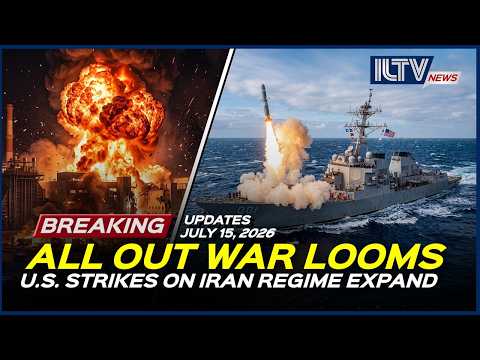
- The U.S. has initiated its most extensive military strikes against Iran since the resumption of hostilities, focusing on missile and drone sites, naval capabilities, and coastal defense systems
- President Trump has cautioned Iran that a lack of negotiation could result in an expanded military campaign, with future plans to target energy infrastructure
- Israel is on high alert for potential Iranian retaliation, with Prime Minister Netanyahu warning that any attack on Israel will provoke a strong response
- Netanyahu is expected to visit Washington to discuss regional security, although the White House has not confirmed the schedule
- In response to rising tensions, the U.S. has bolstered its military presence in the region, deploying at least 19 warships and two aircraft carriers
Read full analysis
- Advocates for decisive action against Iran to protect Israels security
- Believes military intervention is necessary to deter Iranian aggression
- Calls for diplomatic solutions rather than military engagement
- Public opinion in Israel is mixed regarding military involvement
- Concerns about military readiness due to recent legislation affecting draft evaders
- Prime Minister Netanyahu has warned that Israel will respond decisively to any attacks, signaling a willingness to engage militarily in the Gulf amid rising tensions with Iran
- Public opinion in Tel Aviv is divided; some residents oppose military action, while others believe it is essential for Israels security
- Many Israelis express anxiety over the possibility of returning to bomb shelters and the uncertainty surrounding their safety due to the ongoing conflict
- Netanyahu has declined President Trumps request for Israel to withdraw its forces from southern Lebanon and Syria, prioritizing security needs
- Current U.S.-mediated discussions between Israel and Lebanon are centered on a pilot plan for IDF withdrawal, which hinges on security assurances against Hezbollahs rearmament
- The U.S. has escalated its military operations against Iran, launching its largest series of strikes since the resumption of hostilities, with President Trump indicating plans for further expansion
- Major General Yakuva Amidol believes the U.S. strategy aims to compel Iran to return to negotiations, despite Irans rejection of American terms, which could lead to heightened conflict
- Israels involvement in the conflict remains limited for now, dependent on a request from the U.S. or an Iranian attack, which could widen the conflict throughout the region
- Amidol cautions that an Iranian attack on Israel would likely trigger a substantial increase in Israeli strikes on Iranian targets, extending beyond immediate threats
- The U.S. is focusing on reopening the Strait of Hormuz and negotiating with Iran primarily on nuclear issues, temporarily sidelining missile and proxy group concerns
- Israel aims to minimize Iranian missile capabilities and nuclear threats, planning precision strikes if it becomes more involved in the conflict
- The Israeli Defense Forces (IDF) have targeted key Hamas operatives in Gaza, reflecting ongoing military operations against perceived threats
- The Israeli government is investing $1.3 billion to develop new communities in Judea and Samaria, with plans for rapid infrastructure and housing construction
- A new law in Israel has been enacted to freeze the prosecution of ultra-orthodox draft evaders, raising concerns about its potential impact on military readiness
details
details
- The Knesset passed a law that suspends the arrest and prosecution of ultra-orthodox draft evaders, raising concerns about military readiness during ongoing conflict
- This legislation, approved by a narrow vote of 58 to 54, grants immunity to many draft evaders and halts existing criminal cases against them
- Prime Minister Netanyahu faced backlash for not attending the vote, with opposition members accusing him of avoiding responsibility for this contentious decision
- The IDF has indicated that the new law may worsen a critical manpower shortage as the military continues to engage in extended conflict
- Opposition parties and public interest groups plan to challenge the law in the High Court of Justice, claiming it undermines the principle of equality under the law
- Additionally, the Knesset has restored exclusive authority over kosher certification to the chief rabbi, reversing earlier reforms that favored private Orthodox organizations
The assumption that military strikes will effectively deter Iran overlooks the potential for escalation and retaliation. Inference: The U.S. strategy may inadvertently provoke Iran into a more aggressive stance, complicating diplomatic resolutions. Missing variables include the impact on regional allies and the long-term consequences of sustained military engagement.
This analysis is an original interpretation prepared by Art Argentum based on the transcript of the source video. The original video content remains the property of the respective YouTube channel. Art Argentum is not responsible for the accuracy or intent of the original material.