




Escalating U.S.-Iran Tensions and Regional Security Implications
Analysis of escalating U.S.-Iran tensions and their implications for regional security, based on "ILTV Security Brief | Back To War: U.S. Hammers Iran" | ILTV Israel News.
OPEN SOURCEThe U.S. has reinstated a naval blockade on Iranian ports and increased airstrikes on military targets in response to Iranian attacks on shipping in the Strait of Hormuz. President Trump has issued a warning that the U.S. will escalate military actions, including targeting energy infrastructure, if Iran does not engage in negotiations.
In South Lebanon, the IDF has carried out airstrikes against Hezbollah operatives involved in weapon smuggling, amid ongoing ceasefire violations. The IDF is experiencing a manpower shortage, prompting Chief of Staff Ayyal Zameer to oppose a proposed law that would exempt certain students from military service.
Ambassador Danny Ayalon expressed doubts about Trump's readiness to target Iranian civilian infrastructure, highlighting the unpredictable dynamics of U.S.-Iran relations. The U.S. is poised to escalate military actions against Iran, potentially targeting critical infrastructure in response to ongoing threats in the Strait of Hormuz.
Political dynamics in Washington are shifting, particularly following the death of Senator Lindsey Graham, which could influence support for President Trump's approach to Iran. Prime Minister Netanyahu plans to address Iran with President Trump during his upcoming U.S. visit, stressing the need for a coordinated response to Iranian aggression.
Concerns are rising about the U.S.-Israel relationship, particularly regarding changing attitudes in Washington that could affect arms sales and security cooperation. There are calls for Israel to enhance financial support for the Lebanese government to effectively counter Hezbollah, rather than withdrawing troops prematurely.
Qatar is facing security threats from Iranian missiles and drones, underscoring its need for an effective air defense system like Israel's Iron Dome. Despite Qatar's financial leverage over Volkswagen, its opposition to a partnership with an Israeli defense firm for Iron Dome components may ultimately jeopardize its own security interests.
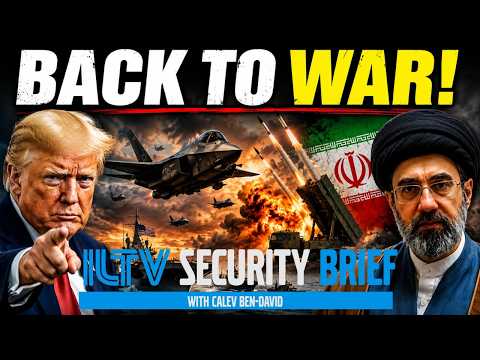
- The U.S. has reinstated a naval blockade on Iranian ports and increased airstrikes on military targets in response to Iranian attacks on shipping in the Strait of Hormuz
- President Trump has issued a warning that the U.S. will escalate military actions, including targeting energy infrastructure, if Iran does not engage in negotiations
- In South Lebanon, the IDF has carried out airstrikes against Hezbollah operatives involved in weapon smuggling, amid ongoing ceasefire violations
- The IDF is experiencing a manpower shortage, prompting Chief of Staff Ayyal Zameer to oppose a proposed law that would exempt certain students from military service
- Ambassador Danny Ayalon expressed doubts about Trumps readiness to target Iranian civilian infrastructure, highlighting the unpredictable dynamics of U.S.-Iran relations
Read full analysis
- Advocates for increased military action against Iran to deter aggression
- Supports the need for Israel to maintain a strong defense against Hezbollah
- Highlights the risks of destabilizing the region through military actions
- Discusses the shifting political dynamics in Washington affecting U.S.-Israel relations
- Notes the importance of financial support for Lebanon to counter Hezbollah
- The U.S. is poised to escalate military actions against Iran, potentially targeting critical infrastructure in response to ongoing threats in the Strait of Hormuz
- Ambassador Danny Ayalon argues for a more aggressive U.S. stance on Iran, likening the regime to historical threats and suggesting that negotiations are unlikely to yield results
- The political dynamics in Washington are shifting, particularly following the death of Senator Lindsey Graham, which could influence support for President Trumps approach to Iran
- Prime Minister Netanyahu plans to address Iran with President Trump during his upcoming U.S. visit, stressing the need for a coordinated response to Iranian aggression
- There are fears that increased U.S. military actions against Iran may lead to retaliatory strikes against Israel, prompting Netanyahu to caution about the potential repercussions
- During discussions with President Trump, Netanyahu is expected to highlight Irans unreliability and advocate for a robust deterrent strategy
- The U.S. may escalate military actions against Iran, raising concerns about Israels support in retaliating against potential Iranian strikes
- Historical context from the Gulf War suggests a shift in dynamics, as the U.S. previously advised Israel to avoid responding to attacks
- A controversial plot involving Mossad and U.S. intelligence aimed at replacing Irans leadership has faced complications due to internal disagreements
- There are suspicions that some within the Trump administration may have leaked details of the plot, potentially undermining Israels position and reflecting ongoing tensions in U.S.-Israel relations
- The situation in Iran is critical, with ongoing discussions about the necessity of U.S. support to protect the Iranian populace amid inadequate conditions
- The U.S. is increasing pressure on Israel regarding troop withdrawals from Lebanon, but Netanyahu is resisting these demands unless Hezbollah is disarmed
- Israel faces challenges navigating U.S. politics, particularly with the growing influence of progressive Democrats who may not align with traditional pro-Israel policies
- Concerns are rising about the U.S.-Israel relationship, particularly regarding changing attitudes in Washington that could affect arms sales and security cooperation
- There are calls for Israel to enhance financial support for the Lebanese government to effectively counter Hezbollah, rather than withdrawing troops prematurely
- The U.S.-Israel relationship is strained due to increasing polarization within the Democratic Party, with progressive factions potentially undermining traditional support for Israel
- Ambassador Danny Ayalon stresses the importance of Israel engaging with both political parties in the U.S. to sustain strong ties, advocating for grassroots initiatives and enhanced diplomatic efforts
- A partnership between Volkswagen and an Israeli defense firm to produce Iron Dome components faces opposition from Qatar, which seeks to leverage its stake in Volkswagen against Israel
- Blocking the Volkswagen deal could adversely affect workers at the Osnabrookin plant, Germanys air defense capabilities, and Qatars strategic interests
- The geopolitical landscape underscores the significance of Israels air defense systems, as countries like the Czech Republic and Gulf states seek to enhance their security in response to Iranian threats
details
- Qatar is facing security threats from Iranian missiles and drones, underscoring its need for an effective air defense system like Israels Iron Dome
- Despite Qatars financial leverage over Volkswagen, its opposition to a partnership with an Israeli defense firm for Iron Dome components may ultimately jeopardize its own security interests
- The geopolitical landscape reveals that Qatars alignment with radical Islamist factions has not effectively protected it from Iranian aggression
- In contrast, Gulf states such as the UAE and Bahrain are strengthening their security by forming alliances with Israel through the Abraham Accords
The assumption that military escalation will compel Iran to negotiate overlooks the potential for increased hostility and retaliation. Inference: The dynamics of U.S.-Iran relations are unpredictable, suggesting that reliance on military threats may not yield the desired diplomatic outcomes. Missing variables include the internal political pressures within Iran and the broader geopolitical implications of U.S. actions in the region.
This analysis is an original interpretation prepared by Art Argentum based on the transcript of the source video. The original video content remains the property of the respective YouTube channel. Art Argentum is not responsible for the accuracy or intent of the original material.