




Steinmeier's Shift on Political Neutrality
Analysis of Steinmeier's shift in political stance, based on "Change of Course: Why Federal President Steinmeier No Longer Wants to Be Nonpartisan" | ZDFheute Nachrichten.
OPEN SOURCEFederal President Frank-Walter Steinmeier has shifted from a neutral stance to openly opposing the AfD, arguing that neutrality is inadequate in protecting democracy. His comments have sparked debate about the role of the presidency and the appropriateness of taking political sides.
Steinmeier asserts that many voters are acting against the democratic system rather than aligning with specific political ideologies, which calls for a more proactive presidential role. His statements have ignited discussions about the appropriateness of a president taking political sides, especially on contentious issues like arms supplies to Ukraine and protests against COVID-19 measures.
As he approaches the end of his nearly ten-year term, Steinmeier reflects on his legacy as a defender of democracy, expressing no regrets for his past comments despite facing criticism. The AfD has reacted to Steinmeier's remarks by claiming he does not understand his role, suggesting that his comments could be leveraged against him in future elections.
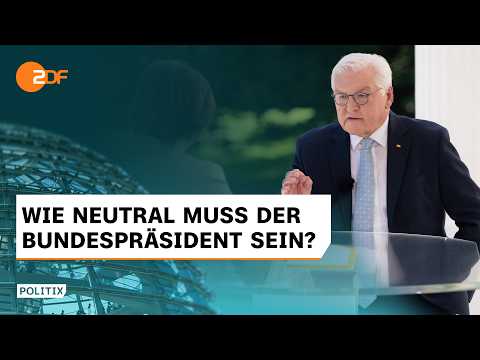
- Frank-Walter Steinmeier, the German President, has moved away from a neutral stance to openly oppose the AfD and its supporters, arguing that neutrality is inadequate in protecting democracy
- He asserts that many voters are acting against the democratic system rather than aligning with specific political ideologies, which calls for a more proactive presidential role
- Steinmeiers statements have ignited discussions about the appropriateness of a president taking political sides, especially on contentious issues like arms supplies to Ukraine and protests against COVID-19 measures
- As he approaches the end of his nearly ten-year term, Steinmeier reflects on his legacy as a defender of democracy, expressing no regrets for his past comments despite facing criticism
- The AfD has reacted to Steinmeiers remarks by claiming he does not understand his role, suggesting that his comments could be leveraged against him in future elections
Read full analysis
- Argues that neutrality is insufficient to protect democracy
- Emphasizes the need for a president to take a stand against anti-democratic sentiments
- Claims that Steinmeier does not understand his role as president
- Raises questions about the effectiveness of presidential neutrality
- Highlights the historical context of presidential involvement in political discourse
- Frank-Walter Steinmeier, the German President, has transitioned from a neutral position to actively addressing threats to democracy posed by political movements like the AfD, arguing that neutrality is inadequate
- His remarks have ignited discussions about the presidential role in engaging with voters who support extremist parties, highlighting concerns about the state of democracy in Germany
- Former President Joachim Gauck also faced backlash for his comments on right-wing extremists, establishing a precedent for presidential involvement in political discourse
- The German Presidents constitutional duty includes addressing societal issues that threaten public cohesion, a responsibility Steinmeier claims to uphold despite potential alienation of some voters
- As Steinmeier nears the end of his term, there is increasing debate about the future of the presidency, with some advocating for its abolition or direct public election, indicating a perceived crisis in the offices relevance
Steinmeier's shift raises questions about the mechanisms of presidential neutrality and the assumptions underlying his stance against the AfD. Inference: If the president's role is to protect democracy, then failing to address anti-democratic sentiments could undermine that very democracy. Missing variables include public perception and the potential backlash from voters who feel alienated by his comments.
This analysis is an original interpretation prepared by Art Argentum based on the transcript of the source video. The original video content remains the property of the respective YouTube channel. Art Argentum is not responsible for the accuracy or intent of the original material.