




Iran's Threats to Energy Security and Global Trade
Analysis of Iran's threats to close the Bab el-Mandeb Strait, based on 'Iran threatens to shut crucial Red Sea energy route' | DW News.
OPEN SOURCEIran has issued a warning regarding the potential closure of the Bab el-Mandeb Strait if the U.S. naval blockade continues. This strategic waterway connects the Red Sea to the Gulf of Aden and is crucial for global trade. The simultaneous closure of both the Bab el-Mandeb and the Strait of Hormuz could have unprecedented impacts on international oil markets.
The Bab el-Mandeb Strait has previously seen significant oil export diversions, with Saudi Arabia redirecting over 70% of its oil exports through this route during past conflicts. Iran's threats extend to Gulf nations, asserting that if it cannot export energy, no other regional country will be allowed to do so.
Jordan faces heightened risks due to Iranian threats, particularly regarding its role in U.S. military operations. The failure of deterrence between the U.S. and Iran, as well as Israel and Iran, has created a precarious situation where neither side can effectively compel the other to retreat.
The current geopolitical landscape presents two main paths: escalating into full-scale war or returning to diplomatic negotiations. Various mediators are attempting to reduce tensions, but success remains uncertain.
Iran views the conflict as an existential threat, which may lead to aggressive actions against regional infrastructure. The Iranian strategy involves extending its influence beyond its borders, potentially targeting oil fields and pipelines in neighboring countries.
While diplomacy is still considered a potential avenue for resolution, entrenched positions on both sides complicate the prospects for negotiations. The situation remains fluid, with the potential for significant escalation.
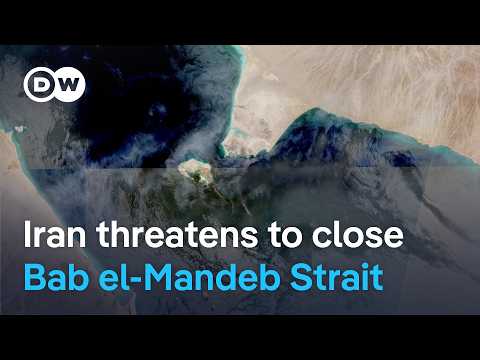
- Iran has warned that it may leverage its Houthi allies in Yemen to close the Bab el-Mandeb Strait if the U.S. naval blockade persists, which could severely disrupt global trade by simultaneously shutting both the Bab el-Mandeb and the Strait of Hormuz
- The Bab el-Mandeb Strait is a vital passage connecting the Red Sea to the Gulf of Aden, and its closure could significantly affect oil exports, as evidenced by Saudi Arabias diversion of over 70% of its oil exports through this route during past conflicts
- Irans stance includes a broader threat to Gulf nations, asserting that if it cannot export energy, no other regional country will be permitted to do so
- Concerns are heightened regarding the vulnerability of alternative pipelines from Saudi Arabia and the UAE, which are intended to bypass the Strait of Hormuz, to potential Iranian attacks
- The impact of threats against energy infrastructure is highlighted by the notable decline in Saudi oil production following missile strikes, indicating that such threats can sway market dynamics and insurance considerations
details
Read full analysis
- Threatens to close the Bab el-Mandeb Strait if the U.S. blockade continues
- Considers the conflict an existential threat, justifying aggressive regional strategies
- Maintains naval presence to counter Iranian threats
- Seeks to protect energy routes and ensure global trade stability
- Jordans involvement in U.S. operations increases its risk of becoming a target
- Diplomatic negotiations are ongoing but face significant challenges
- Jordan faces increasing risks due to Iranian threats, particularly concerning its involvement in U.S. operations, which could make it a target in the ongoing conflict
- The failure of deterrence is apparent between both the U.S. and Iran, as well as Israel and Iran, creating a situation where neither side can effectively compel the other to retreat
- The current geopolitical situation presents two main paths: escalating into full-scale war or returning to diplomatic negotiations, with various mediators seeking to reduce tensions
- Iran perceives the conflict as an existential threat, potentially leading to aggressive actions against regional infrastructure, despite the risks of economic fallout
- Iran perceives the ongoing conflict as an existential threat, prompting a strategy that extends its influence beyond national borders to engage in regional confrontations
- The Iranian approach is based on three key principles: the conflict should not be limited to its territory, it must involve regional dynamics, and it should utilize strategic assets like the Strait of Hormuz
- To escalate tensions, Iran may target oil fields and pipelines in neighboring countries, as direct attacks on U.S. assets within its own borders are not feasible
- Iran anticipates potential Israeli involvement in the conflict, aiming to apply pressure on the U.S. through its regional allies
- While diplomacy is still considered a potential avenue for resolution, the entrenched positions of both sides complicate the prospects for negotiations
The assumption that Iran will act on its threats relies on the belief that the U.S. blockade will persist and that the Houthis can effectively target key maritime routes. Inference: If Iran's threats are credible, Gulf nations must reassess their energy security strategies, as the potential for disruption is significant. However, the actual execution of such threats may be hindered by international naval presence and the Houthis' operational capabilities.
This analysis is an original interpretation prepared by Art Argentum based on the transcript of the source video. The original video content remains the property of the respective YouTube channel. Art Argentum is not responsible for the accuracy or intent of the original material.