




Monetary Policy Insights Amid Global Conflicts
Analysis of monetary policy outlook amid global conflicts, based on 'We will not let higher oil prices become persistent inflation' | CTVNews.
OPEN SOURCEGlobal economic growth has been negatively impacted by the conflict in the Middle East, yet a recovery is anticipated as oil prices decline. Canada's GDP growth has remained stagnant, but projections indicate an increase to 2.5% in the second quarter.
Consumer spending remains robust, housing activity is stabilizing, and business investment, particularly in the oil and gas sector, is on the rise. CPI inflation reached 3.2% in May, primarily due to higher gasoline prices, while core inflation remains close to the 2% target.
Inflation forecasts are highly sensitive to fluctuations in oil prices, with the risk of sustained high prices leading to persistent inflation in other sectors. The economic outlook is contingent on the trajectory of global oil prices and the ongoing geopolitical tensions.
Key risks to the economic outlook include the ongoing conflict in the Middle East and the trade relationship with the United States, which could significantly affect inflation and growth. Domestic risks also pose challenges, particularly if inflation remains above the 2% target.
The Bank of Canada emphasizes that it will not allow higher oil prices to lead to persistent inflation. The economic recovery is projected to gradually absorb existing slack, with GDP growth expected to stabilize at 1.8% in the following years.
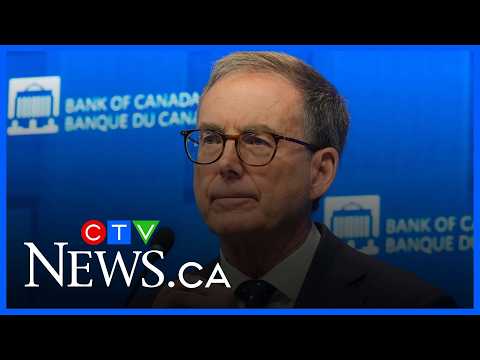
- The Middle East conflict has adversely affected global economic growth, though a recovery is expected as oil prices decline
- Canadas GDP growth has been stagnant over the past year due to new tariffs and slower population growth, but it is forecasted to increase to 2.5% in the second quarter
- Consumer spending is robust, housing activity is stabilizing, and business investment, especially in the oil and gas sector, is on the rise
- CPI inflation reached 3.2% in May, driven by higher gasoline prices, while core inflation remains near the 2% target, with a gradual easing anticipated
- Inflation forecasts are highly sensitive to oil prices, with the potential for sustained high prices to cause persistent inflation in other sectors
- Key risks to the economic outlook include the ongoing Middle East conflict and the trade relationship with the United States, which could affect inflation and growth
details
details
details
Read full analysis
- Projects GDP growth to recover as oil prices decline
- Will not allow higher oil prices to lead to persistent inflation
- Ongoing Middle East conflict poses significant risks to economic stability
- Economic recovery is projected to gradually absorb existing slack
The assumption that oil prices will stabilize between $70 to $75 per barrel overlooks potential geopolitical developments that could disrupt this forecast. Inference: If oil prices remain elevated due to ongoing conflicts, the risk of persistent inflation in other sectors increases, challenging the Bank of Canada's monetary policy. The lack of consideration for external shocks and domestic economic resilience raises questions about the robustness of the growth outlook.
This analysis is an original interpretation prepared by Art Argentum based on the transcript of the source video. The original video content remains the property of the respective YouTube channel. Art Argentum is not responsible for the accuracy or intent of the original material.