




Americas Global Shift and Strategic Realignment
The U.S. is redirecting its focus from Europe and the Middle East to enhance its influence in the Americas and Southeast Asia, particularly through support for India. This strategic realignment involves a decrease in direct U.S.-China confrontations, fostering potential cooperation while strengthening military and economic partnerships with Japan and South K…
OPEN SOURCEThe U.S. is redirecting its focus from Europe and the Middle East to enhance its influence in the Americas and Southeast Asia, particularly through support for India. This strategic realignment involves a decrease in direct U.S.-China confrontations, fostering potential cooperation while strengthening military and economic partnerships with Japan and South Korea.
The U.S. is shifting its strategic focus away from Europe and the Middle East, prioritizing control in the Americas and increasing influence in Southeast Asia. India is being positioned as a vital strategic partner for the U.S, with initiatives aimed at enhancing its military capabilities and economic ties, despite its independent political stance.
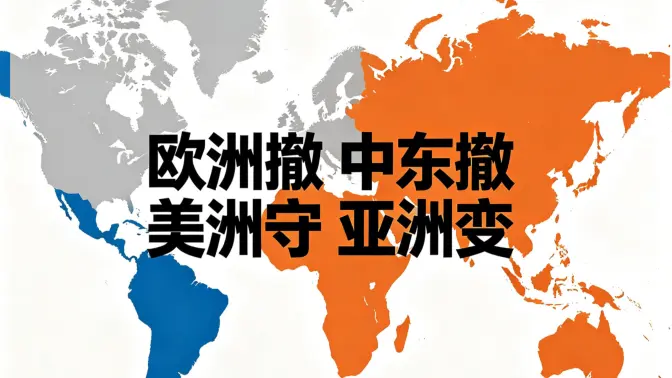
- The U.S. is redirecting its focus from Europe and the Middle East to enhance its influence in the Americas and Southeast Asia, particularly through support for India
- This strategic realignment involves a decrease in direct U.S.-China confrontations, fostering potential cooperation while strengthening military and economic partnerships with Japan and South Korea
- India is seen as a crucial ally in U.S. strategy, expected to align with American interests, though its independent political stance may result in unpredictable reactions under pressure
- The U.S. aims to strategically encircle China by exerting pressure on Southeast Asian nations, encouraging them to withdraw from positions that could bolster Chinas regional influence
- Despite facing internal challenges and demographic issues, Indias leadership is viewed as capable of leveraging its geopolitical position, although this may lead to inconsistent responses to external pressures
Read full analysis
- The U.S. is redirecting its focus from Europe and the Middle East to enhance its influence in the Americas and Southeast Asia, particularly through support for India
- The U.S. is shifting its strategic focus away from Europe and the Middle East, prioritizing control in the Americas and increasing influence in Southeast Asia
- This strategic realignment involves a decrease in direct U.S.-China confrontations, fostering potential cooperation while strengthening military and economic partnerships with Japan and South Korea
- India is being positioned as a vital strategic partner for the U.S, with initiatives aimed at enhancing its military capabilities and economic ties, despite its independent political stance
- India is seen as a crucial ally in U.S. strategy, expected to align with American interests, though its independent political stance may result in unpredictable reactions under pressure
- The U.S. strategy includes creating a strategic encirclement of China by applying pressure on Southeast Asian nations, utilizing Indias involvement to counterbalance Chinese influence
- The U.S. is shifting its strategic focus away from Europe and the Middle East, prioritizing control in the Americas and increasing influence in Southeast Asia
- India is being positioned as a vital strategic partner for the U.S, with initiatives aimed at enhancing its military capabilities and economic ties, despite its independent political stance
- The U.S. strategy includes creating a strategic encirclement of China by applying pressure on Southeast Asian nations, utilizing Indias involvement to counterbalance Chinese influence
- Understanding global geopolitical dynamics requires regular analysis, as traditional news sources may not adequately capture the complexities of these relationships
This analysis is an original interpretation prepared by Art Argentum based on the transcript of the source video. The original video content remains the property of the respective YouTube channel. Art Argentum is not responsible for the accuracy or intent of the original material.