




American Infrastructure is Completely Failing
A cargo ship lost power and crashed into a bridge, leading to a tragic accident with multiple fatalities.
OPEN SOURCEA cargo ship lost power and crashed into a bridge, leading to a tragic accident with multiple fatalities.
Rescue efforts were criticized for their inefficiency, and the search for missing workers was abandoned prematurely.
Investigations revealed systemic failures in infrastructure management and response protocols.
The rebuilding process has faced delays and budget overruns, raising concerns about future infrastructure projects.
Political implications emerged as funding and accountability became contentious issues.
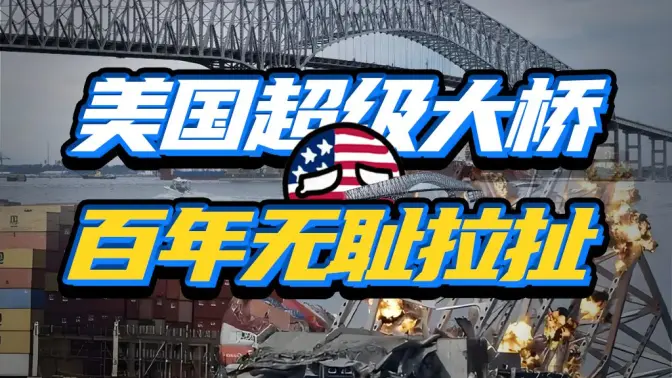
- The cargo ship Dali collided with the Johtun Bridge, resulting in the deaths of seven workers and significant transportation disruptions in the Baltimore area
- The U.S. Coast Guard faced criticism for its slow response in the search for six missing workers, which many deemed irresponsible given the challenging conditions
- Investigations indicated that the Dali suffered multiple electrical failures before the accident, linked to loose signal connections and fuel pump problems, leading to a loss of power
- The incident prompted extensive military involvement in cleanup and recovery, underscoring inefficiencies in the initial response and the infrastructures emergency management capabilities
- This accident raised serious concerns about the state of American infrastructure and the effectiveness of government agencies in crisis management, drawing parallels to past disasters like Hurricane Katrina
Read full analysis
- Mobilized military engineers for rapid cleanup efforts
- Initiated emergency funding for bridge repairs
- Criticized rescue operations for abandoning missing workers
- Highlighted systemic failures in infrastructure oversight
- Accident led to significant transportation disruptions
- Investigations revealed multiple causes for the incident
- The third-party management company involved in the incident has denied wrongdoing, alleging that the U.S. Justice Department is politicizing the tragedy
- Reconstruction of the Francis Scott Key Bridge has become a major political issue, with the U.S. government committing to cover costs that may reach $1 billion
- The bridges historical significance, linked to the origins of the national anthem, highlights its importance to American identity and infrastructure
- Initial repair estimates for the bridge range from $1.7 billion to $1.9 billion, with a projected completion date in late 2026, though progress is currently minimal
- The Maryland state government has invested $3.9 billion in the bridges restoration, which includes a settlement with the shipping company responsible for the accident
- The projected completion date for the bridge repair has been extended to 2030, with costs now estimated at $59 billion, far exceeding the initial budget of $19 billion
- Delays faced by the Maryland Transportation Authority stem from the need for thorough assessments and the impact of trade tariffs, which have raised construction material prices by 65%
- The original contractor was dismissed after suggesting a budget increase to $90 billion, prompting a decision to divide the project into four separate contracts to control costs
- Despite significant financial investment and urgency, actual progress on the bridge repair remains at zero, raising concerns about the management of infrastructure projects in the U.S
- This situation underscores broader issues in American infrastructure, including bureaucratic delays, escalating costs, and the complexities of managing large-scale public works
This analysis is an original interpretation prepared by Art Argentum based on the transcript of the source video. The original video content remains the property of the respective YouTube channel. Art Argentum is not responsible for the accuracy or intent of the original material.