



Sustainable Textile Innovation Through Biotechnology
Analysis of sustainable textile innovation, based on "Can Bacteria Solve Fashion's Pollution Problem?" | EU-Startups.
OPEN SOURCEKarin Fleck, the CEO of Vienna Textile Lab, is pioneering sustainable textile dyeing through biotechnology, specifically utilizing microbial pigments. This innovation addresses the significant environmental impact of the textile industry, which is responsible for approximately 10% of global greenhouse gas emissions, primarily due to the reliance on fossil fuel-based materials and energy-intensive dyeing processes.
Fleck's transition from the oil and energy sector to sustainable textile innovation highlights a critical shift in addressing the environmental challenges posed by traditional dyeing methods. Her approach not only aims to provide eco-friendly alternatives but also seeks to mitigate the social issues faced by female workers in the textile industry, who are often adversely affected by toxic working conditions and emissions.
The conversation emphasizes the potential of biotechnology to create sustainable dyes that can achieve cost parity with synthetic chemicals. By simplifying the dye production process through the use of microorganisms, Fleck aims to enhance efficiency while addressing broader environmental concerns, including water pollution and worker safety.
Despite the promising advancements, challenges remain in convincing industry partners to adopt these sustainable materials, particularly due to higher initial costs. Fleck acknowledges that while the long-term benefits of bio-based alternatives are clear, the complexities of regulatory compliance and market acceptance pose significant barriers to widespread adoption.
Fleck also discusses the importance of institutional support for female entrepreneurs, particularly in Austria, where funding incentives exist for companies led by women. She advocates for mentorship and training programs to enhance the skills of women in the startup ecosystem, emphasizing that such initiatives are crucial for fostering innovation in deep tech sectors like industrial biotechnology.
The dialogue concludes with a call to action for women founders in deep tech to engage with programs like Women TechEU, which provide essential resources and networking opportunities. This support is vital for navigating the challenges of the industry and driving meaningful change towards sustainable practices in the textile sector.
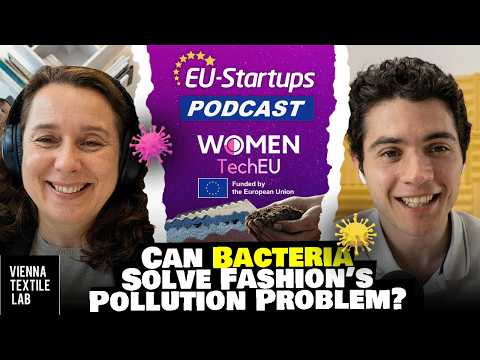
- Karin Fleck, CEO of Vienna Textile Lab, transitioned from the oil and energy sector to focus on sustainable textile dyeing using biotechnology, specifically microbial pigments
- The textile industry contributes significantly to greenhouse gas emissions, accounting for about 10% of the total, highlighting the urgent need for eco-friendly alternatives to synthetic dyes
- Flecks background in chemistry and management informs her approach to developing a business model that prioritizes sustainability and innovation in textile production
- Vienna Textile Lab aims to replace traditional synthetic dyes with bio-based pigments, offering a more environmentally friendly solution for the textile industry
- Fleck was selected as one of 160 winners from nearly 4,000 applicants for the Women Tech EU program, which supports women-led deep tech startups with funding and resources to accelerate growth
details
details
Read full analysis
- Biotechnology offers a viable alternative to traditional synthetic dyes, addressing both environmental and social issues
- Programs like Women TechEU provide essential support for women-led startups in deep tech
- Higher initial costs of sustainable materials can deter industry adoption despite long-term benefits
- Regulatory challenges and market acceptance remain significant barriers to the widespread use of bio-based dyes
- Karin Fleck, CEO of Vienna Textile Lab, transitioned from the oil and energy sector to focus on sustainable textile dyeing using biotechnology, specifically microbial pigments
- The textile industry is responsible for 10% of global greenhouse gas emissions, primarily due to the use of fossil fuel-based materials like polyester and the energy-intensive dyeing process
- The dyeing and finishing processes in textile production involve numerous chemicals, most of which are derived from crude oil, contributing significantly to environmental pollution
- Karin Fleck emphasizes the importance of transitioning to sustainable practices in the textile industry, highlighting movements like green chemistry and industrial biotechnology that aim to produce dyes from renewable resources
- Industrial biotechnology seeks to create chemicals, including dyes, from natural materials, reducing dependency on fossil fuels and minimizing environmental impact
- Green chemistry provides chemists with guidelines to enhance the efficiency and safety of chemical processes, aiming to lessen their harmful effects on the environment
details
- Karin Fleck discusses the potential of biotechnology to achieve cost parity with synthetic chemicals in textile dyeing, highlighting the role of bio refineries that utilize all parts of natural feedstocks
- The use of microorganisms as cell factories simplifies the dye production process, reducing the number of chemical reactions needed and enhancing efficiency
- Fleck emphasizes that the environmental impact of textile production extends beyond carbon emissions, addressing issues such as water pollution and worker safety, particularly the disproportionate effects on female workers in the industry
- She notes that many female workers, who make up a significant portion of the textile workforce, are adversely affected by factory emissions and toxic working conditions, which limits their career opportunities
- The conversation transitions to the support provided by the Women TechEU initiative, which has helped Vienna Textile Lab grow beyond financial assistance, fostering a collaborative environment for women-led deep tech startups
details
- Karin Fleck highlights the importance of visibility and support for women entrepreneurs, noting that initiatives like Women TechEU provide crucial networking and mentorship opportunities that can alleviate the isolation often felt by founders
- She emphasizes the need for a strategic focus in business, particularly in the context of shifting industry demands and geopolitical challenges that can impact project viability
- Fleck discusses the inherent challenges of convincing industry partners to adopt sustainable materials, acknowledging that higher initial costs can be a barrier despite the long-term benefits of bio-based alternatives
- The conversation underscores that material startups face a lengthy and complex development process, requiring cross-disciplinary expertise and navigating regulatory hurdles, which contrasts sharply with the rapid development cycles typical in software industries
- Fleck argues that while the upfront costs of sustainable materials may be higher, the established use of industrial biotechnology in everyday products demonstrates that consumers are willing to pay for these innovations
- Karin Fleck emphasizes the importance of collaboration with clients who are not just seeking suppliers but are invested in developing sustainable products, highlighting a gap in the availability of microbial pigments at scale
- She acknowledges the positive impact of European policies like the Green Deal on supporting sustainable practices, while also noting the increased regulatory burdens that larger companies face, which indirectly affect smaller firms like hers
- Fleck points out that while her company is not directly subject to certain regulations, the demand for impact assessments and lifecycle evaluations from clients creates significant operational challenges
- The Rana Plaza disaster serves as a pivotal example that shaped her understanding of the social issues within the fashion industry, reinforcing the need for sustainable practices and transparency
- The fashion industry is undergoing a significant narrative shift due to increased awareness of its environmental and social issues, particularly following events like the Rana Plaza disaster
- Regulatory changes, including those in China, are being implemented to address toxic emissions from textile production, indicating a global acknowledgment of the need for sustainable practices
- Despite the progress in sustainability investments, geopolitical challenges such as the COVID-19 pandemic and the Ukraine war have strained the industrys focus on sustainability, often relegating it to a lower priority
- The fast fashion sector is characterized by rapid changes and mergers, reflecting a turbulent market where sustainability efforts may lag behind other business priorities
- Funding for sustainable initiatives is on the rise, with approximately €10 million allocated this year, suggesting a growing interest in eco-friendly business models within the textile industry
- Karin Fleck highlights the ongoing challenges in securing sufficient investment for industrial biotechnology, noting that it is often viewed as a long-term commitment rather than a quick return opportunity
- Despite a growing public interest in sustainable practices, the current economic climate has made it difficult for companies in the sector to attract funding, particularly in later investment rounds
- Fleck expresses concern over the declining interest in industrial biotech compared to other sectors like AI, which may hinder the growth of sustainable textile innovations
- The lack of female-led startups in Austria is alarming, with statistics indicating that investment in these companies is significantly lower, reflecting broader societal issues regarding support for women entrepreneurs
- Fleck calls for improvements in the support systems for female founders, emphasizing the need for more resources and investment to foster innovation in the deep tech sector
- Karin Fleck highlights the importance of institutional support for female founders in Austria, noting that funding incentives exist for companies with female leadership
- She emphasizes the need for training and mentorship programs, particularly for women who may lack prior experience in business management and leadership roles
- Fleck reflects on her experience running a mentoring program, observing significant growth in participants who received guidance and support
- The conversation underscores the value of developing not just founders but also the broader workforce within startups, as their skills contribute to future innovations
- Fleck advocates for a focus on personal development and professional networks, arguing that these elements are crucial for fostering equality and enhancing the overall competence in sectors like industrial biotech
- Karin Fleck emphasizes the importance of networking and collaboration among women in tech, highlighting potential partnerships and opportunities that can arise from such connections
- She notes the necessity of management training for entrepreneurs, acknowledging that not everyone is a natural leader, which can impact the success of startups
- Fleck expresses her appreciation for the Women TechEU program, recognizing its role in supporting women-led startups and addressing the need for such initiatives in the industry
- The conversation concludes with a reminder about the open applications for the Women TechEU program, encouraging eligible women founders in deep tech to apply before the upcoming deadlines
Karin Fleck's transition from the oil and energy sector to sustainable textile innovation underscores a critical shift in addressing the environmental impacts of the fashion industry, particularly through the use of biotechnology for dye production. While her approach offers promising eco-friendly alternatives, the challenges of industrial adoption and the initial costs associated with sustainable materials remain significant barriers.
This analysis is an original interpretation prepared by Art Argentum based on the transcript of the source video. The original video content remains the property of the respective YouTube channel. Art Argentum is not responsible for the accuracy or intent of the original material.