



Exploring Sustainable Packaging Innovations
Analysis of sustainable packaging solutions, based on "She Turned Plastic Waste Into Opportunity - Angela Ivanova, co-founder and CEO of LAM'ON" | EU-Startups.
OPEN SOURCEAngela Ivanova, co-founder and CEO of LAM’ON, articulates the pressing need for sustainable packaging solutions to tackle the substantial waste generated by the printing and shipping industries. With an annual waste of 1.2 million metric tons of laminated paper, LAM’ON is dedicated to developing bio-based and compostable flexible packaging that addresses these environmental challenges.
The journey of LAM’ON, founded in 2018, reflects the intersection of environmental responsibility and entrepreneurship. Ivanova's background in environmental activism fueled her frustration with plastic waste, prompting her to innovate solutions that integrate seamlessly with existing recycling systems. This commitment to sustainability is underscored by the company's focus on promoting a circular economy.
Despite the innovative strides made by LAM’ON, the company faces significant hurdles, including limited infrastructure in Bulgaria and the complexities of scaling production. The impact of COVID-19 temporarily halted progress, yet it also provided an opportunity to solidify funding and partnerships, particularly with angel investors who understand the long-term nature of returns in product development.
As LAM’ON enters a new sales phase, the company grapples with gaining market trust and navigating the challenges of industry adoption. While local companies in Bulgaria show eagerness to test biodegradable packaging solutions, the broader market remains cautious, often questioning the cost implications of adopting compostable materials. Regulatory changes in various countries are creating opportunities, yet the need for improved infrastructure and consumer awareness remains critical.
Ivanova emphasizes the disparity in sustainability focus between mid-sized and larger companies, noting that smaller firms tend to be more proactive about their environmental impact. The conversation highlights the necessity for a collective shift in consumer mindset towards environmental responsibility, particularly in light of increasing climate-related disasters, to drive demand for sustainable products.
Ultimately, the narrative surrounding LAM’ON and its innovations serves as a testament to the potential of female entrepreneurs in the cleantech sector. By addressing the gender gap in funding and opportunities, Ivanova's journey not only sheds light on the challenges faced by women in business but also inspires a new generation of entrepreneurs to pursue sustainable solutions.
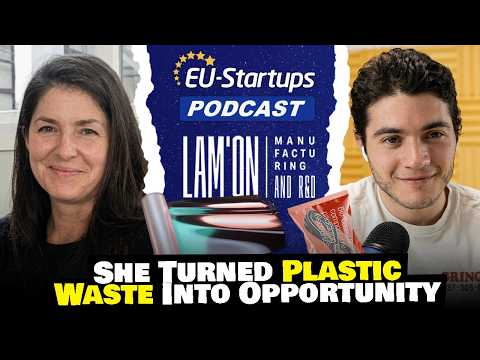
- Angela Ivanova, co-founder and CEO of LAM’ON, emphasizes the urgent need for sustainable packaging solutions to combat the significant waste generated by the printing and shipping industries
- LAM’ON specializes in developing bio-based and compostable flexible packaging, addressing the environmental issues associated with traditional laminating films
- The company was founded in 2018, driven by Ivanovas background in environmental activism and her frustration with the plastic waste produced in the printing sector
- Ivanova and her co-founder initially sought existing eco-friendly alternatives but found that viable options were lacking, leading them to innovate their own solutions
- The conversation highlights the importance of female representation in entrepreneurship, particularly in Bulgaria, where funding and opportunities for women are still limited
Read full analysis
- Highlight the urgent need for innovative solutions to combat environmental waste
- Emphasize the role of female entrepreneurs in driving change in the cleantech sector
- Question the cost implications of adopting compostable materials
- Point out the challenges of infrastructure and market trust for new companies
- Regulatory changes are creating opportunities for bioplastics
- Angela Ivanova highlights the environmental issue of microplastics resulting from biodegradable plastics, emphasizing the EUs ban on such materials as a pivotal moment for sustainable innovation
- She discusses the slow but positive changes in the ecosystem for women entrepreneurs in Europe, noting the persistent gender gap in funding and the importance of initiatives that support female representation in business
- Ivanova reflects on her experience in the printing industry, which revealed a significant lack of bio-based materials for packaging, prompting her to seek solutions that address environmental impacts
- The conversation underscores the need for normalizing womens voices in entrepreneurship to foster a more balanced representation and encourage systemic change in the industry
- Angela Ivanova and her co-founder Girgana initially explored the feasibility of their compostable film project through a green ideas program, leading them to develop a business model with the help of mentors
- Their journey included pitching at an international finals in Cyprus, which highlighted their growth and the challenges of public speaking in front of a large audience
- Recognizing the need for scientific expertise, they sought out a polymer scientist, Philip, to join their team, which marked a significant step in their development process
- Despite lacking initial scientific validation, they conducted extensive research online and consulted with a retiring professor, which fueled their confidence in the potential for innovation in biodegradable materials
- The team secured their first funding of 15,000 euros through an accelerator program, which was a pivotal moment in solidifying their partnership and advancing their project
details
- Angela Ivanova discusses the extensive journey of developing LAM’ONs compostable films, highlighting the challenges of scaling production and the lack of infrastructure in Bulgaria
- The company faced significant hurdles, including negotiating machine time with external partners and navigating the impact of COVID-19, which temporarily halted progress but also provided a chance to solidify funding
- Angel investors played a crucial role in LAM’ONs growth, as they understand the long-term nature of returns in product development, contrasting with the expectations of venture capitalists
- LAM’ON has developed multiple products from their machine, including a bio-based shrink film for beverage multipacks, showcasing their innovative approach to sustainable packaging
- The company is currently in the industry adoption phase, working to convince clients to integrate their compostable materials into existing product lines, which presents its own set of challenges
- LAM’ON is entering a new sales phase, facing challenges in gaining market trust as a new company, which complicates the sales process
- The company has successfully launched pilot projects with fulfillment centers like EU shipments, expanding its reach across Europe, particularly after their acquisition by the Austrian post
- Bulgarias market is supportive of LAM’ONs innovations, with local companies eager to test new biodegradable packaging solutions, enhancing the companys export potential
- Angela highlights the importance of balancing cost and environmental impact, acknowledging that potential clients often question whether adopting compostable materials will increase their production costs
- The ongoing regulatory changes in countries like Italy are creating opportunities for bioplastics, as companies become more aware of the environmental benefits and the need for sustainable packaging solutions
details
- The cost of adopting compostable materials is not a significant barrier for LAM’ON, as they have managed to scale their production, but consistency in regulations and communication across the EU remains a challenge
- Infrastructure issues, particularly the poor collection and recycling systems for flexible packaging, hinder the widespread adoption of bioplastics, with many materials ending up in landfills due to contamination
- The current state of collection for flexible packaging is inadequate, complicating the recycling process and exacerbating waste issues, especially for food packaging that is often contaminated
- Angela emphasizes the need for improved infrastructure to facilitate the recycling of bioplastics, which could enhance their market viability and environmental benefits
- Bioplastics can be recycled, and advancements in separation technologies could improve their integration into existing waste management systems, but significant work remains in collection and recyclability
- Angela highlights a disparity in sustainability focus between mid-sized companies, which are more proactive about their environmental impact, and larger corporations, which often prioritize reporting metrics over genuine sustainability efforts
- The adoption of sustainable packaging solutions is influenced by market pressures and consumer awareness, with smaller companies showing greater flexibility and commitment to sustainability compared to larger firms
- Angela emphasizes the need for a collective shift in consumer mindset towards environmental responsibility, particularly in light of increasing climate-related disasters, to drive demand for sustainable products
- Angela highlights a lack of self-belief among Bulgarian entrepreneurs, attributing it to the countrys historical context, which hampers ambition and innovation
- Despite challenges, there is a growing ecosystem for startups in Bulgaria, with an increasing number of companies emerging in sectors like agriculture, genetics, and fintech
- Angela notes the importance of EU-level communication and collaboration to enhance the visibility and opportunities for Bulgarian startups
- The conversation reflects on the need for more sustainable competitors in the market to address environmental issues, particularly concerning plastic waste and microplastics
The discussion surrounding LAM’ON and its innovations in sustainable packaging highlights the critical intersection of environmental responsibility and entrepreneurship. Angela Ivanova's journey underscores the challenges faced by startups in the cleantech sector, particularly in navigating regulatory landscapes and market adoption.
This analysis is an original interpretation prepared by Art Argentum based on the transcript of the source video. The original video content remains the property of the respective YouTube channel. Art Argentum is not responsible for the accuracy or intent of the original material.