



Chernobyl Disaster and Its Ongoing Impact
Analysis of the Chernobyl disaster and its ongoing implications, based on "Chernobyl: how the disaster happened and who is protecting the station now" | Bbcnewsrussian.
OPEN SOURCEThe Chernobyl disaster, the most severe nuclear accident in history, played a significant role in the disintegration of the Soviet Union as officials sought to hide the truth from the global community. Decades later, Chernobyl remains one of the most contaminated locations on the planet, now located in a conflict zone due to ongoing military actions in Ukraine.
The documentary delves into the historical background of Chernobyl, highlighting the Soviet Union's commitment to nuclear energy and the creation of Pripyat, a once-thriving city. Survivor accounts illustrate the stark contrast between Pripyat's hopeful past and its current desolation, emphasizing the persistent dangers associated with the Chernobyl site.
The Chernobyl disaster occurred on April 26, 1986, during safety tests conducted by inexperienced engineers, leading to a catastrophic explosion. The immediate response was chaotic, with military personnel deployed to manage the extreme radiation levels and local authorities providing inadequate guidance to residents.
The evacuation of Pripyat was chaotic, with many residents uncertain about the dangers and how to respond to the crisis. Medical professionals faced significant challenges in treating evacuees, as many children did not receive necessary potassium iodide, resulting in long-term health issues such as thyroid cancer.
The response to the Chernobyl disaster revealed significant inadequacies in the Soviet Union's approach to radiation exposure, with many individuals mobilized without proper knowledge of the dangers. The aftermath involved perilous cleanup efforts, exposing workers to extreme radiation levels and severe psychological impacts.
The Chernobyl site currently faces military threats, with alarms indicating potential missile or drone attacks. Workers are tasked with maintaining safety levels and preventing radiation leaks amid ongoing conflict, highlighting the critical need to protect the facility from attacks that could jeopardize safety.
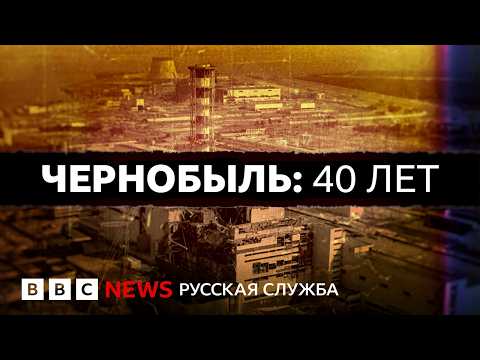
- The Chernobyl disaster, the most severe nuclear accident in history, played a significant role in the disintegration of the Soviet Union as officials sought to hide the truth from the global community
- Decades later, Chernobyl remains one of the most contaminated locations on the planet, now located in a conflict zone due to ongoing military actions in Ukraine
- The documentary delves into the historical background of Chernobyl, highlighting the Soviet Unions commitment to nuclear energy and the creation of Pripyat, a once-thriving city
- Survivor accounts, such as that of Dmitry, who was just nine years old during the disaster, illustrate the stark contrast between Pripyats hopeful past and its current desolation
- The film underscores the persistent dangers associated with the Chernobyl site, especially in light of recent military activities, and the stringent regulations governing access to the area
details
details
details
Read full analysis
- Accuses Soviet leadership of attempting to conceal the truth about the disaster
- Highlights systemic failures in emergency response and safety protocols
- Warns of ongoing military threats to the Chernobyl site amid the Ukraine conflict
- Notes the risks posed by potential missile or drone attacks on the facility
- Acknowledges the long-term health issues resulting from radiation exposure
- Recognizes the historical significance of Chernobyl in shaping nuclear policy
- Sergiy and Irina were set to marry on April 26, 1986, just a day after critical safety tests on the fourth reactor at the Chernobyl Nuclear Power Plant
- The safety tests were conducted by a less experienced night shift, leading to a catastrophic failure when an engineer attempted to activate emergency shutdown procedures, resulting in an explosion
- Witnesses likened the explosion to an earthquake, describing immediate chaos and confusion in the control room, which highlighted the staffs lack of preparedness
- As dawn broke on Saturday, the disasters severity became clear, with military personnel in gas masks responding to the extreme radiation levels
- Local authorities initially provided inadequate guidance, leaving residents uncertain about the dangers and how to respond to the crisis
details
- On the day of the Chernobyl disaster, children, including Dmitry, were sent to school as parents were instructed to avoid creating panic despite the crisis unfolding
- Sergio and Irinas wedding turned somber as they struggled to maintain the rhythm of their traditional dance amidst the tragedy of the disaster
- The Palace of Culture, once a vibrant community hub, became a symbol of loss as the area was evacuated, transforming into a 2,600 square kilometer exclusion zone that remains unsafe for habitation for thousands of years
- Two days after the disaster, the Soviet Union officially acknowledged the nuclear accident, with radioactive clouds spreading across Europe, leading to widespread health crises
- Medical professionals, including pediatrician Alla Shapira, faced significant challenges in treating evacuees, as many children did not receive necessary potassium iodide, resulting in long-term health issues such as thyroid cancer
details
details
details
- Dr. Alla Shapira criticized the authorities for their inadequate response to radiation exposure, revealing a significant lack of medical resources and knowledge during the crisis
- To contain radiation, thousands of helicopter flights were conducted to drop sand and other materials on the reactor, exposing pilots to high radiation levels and resulting in accidents
- Hundreds of thousands of individuals, known as liquidators, were mobilized from across the Soviet Union to address the disasters aftermath, often without being informed of the dangers involved
- The plan to remove highly radioactive materials from the reactor was complicated by extreme radiation levels, forcing the use of human workers to perform perilous tasks under tight time constraints
- Survivors of the cleanup, such as Yan and Reyna, recounted the severe conditions they endured, including the heavy burden of protective gear and the psychological impact of working in a hazardous environment
details
details
- In the summer of 1986, nearly 4,000 workers were sent to the Chernobyl reactor roof, suffering long-term physical and psychological effects, including a notable rise in suicides by 1991
- Official reports attribute only 31 deaths to the disaster, but estimates of fatalities due to radiation exposure range from 4,000 to potentially tens of thousands
- The absence of thorough long-term medical studies has obscured the true impact of radiation exposure, revealing systemic failures in the Soviet Unions disaster response
- Declassified documents indicate that Soviet authorities were aware of significant design flaws in the reactor prior to the explosion, challenging the narrative that solely blamed individual engineers
- The Chernobyl disaster has had enduring political ramifications, eroding public trust in government and accelerating independence movements in Ukraine and Belarus, especially in light of the 2022 Russian invasion
details
details
details
- Dmitry, a soldier from Chernobyl, has been missing since September 2023, raising concerns about his fate as he is not listed among the captured or deceased
- The Chernobyl site faces ongoing military threats, with alarms indicating potential missile or drone attacks, requiring constant vigilance from the staff
- Workers at the facility are responsible for maintaining safety levels and preventing radiation leaks, despite the risks posed by conflict and the presence of Russian military forces
- Dmitry, now leading a local volunteer defense unit, highlights the critical need to protect the Chernobyl facility from attacks that could put pressure on its safety, especially during harsh weather conditions
- The situation underscores a broader struggle for truth and safety in Ukraine, contrasting with the information control in Russia, as local volunteers strive to preserve their freedoms and rights amid ongoing conflict
The narrative surrounding Chernobyl often overlooks the long-term implications of nuclear energy policies and the socio-political dynamics that led to the disaster. Inference: The ongoing military conflict raises questions about the safety and management of nuclear sites, which could be further complicated by international responses and local governance failures.
This analysis is an original interpretation prepared by Art Argentum based on the transcript of the source video. The original video content remains the property of the respective YouTube channel. Art Argentum is not responsible for the accuracy or intent of the original material.