



Geopolitical Tensions and Natural Disasters
Analysis of geopolitical tensions and natural disasters, based on "News of the Day | August 30, 2026 - Daily Edition" | Euronewsru.
OPEN SOURCERecent events have underscored the complex interplay of geopolitical tensions and natural disasters affecting various regions. A Russian strike on a warehouse in the Kyiv region has resulted in a rising death toll of 37, prompting President Volodymyr Zelensky to initiate an investigation. This incident highlights the ongoing conflict between Russia and Ukraine, which continues to have devastating human costs.
In a separate but equally tragic development, a catastrophic landslide in Nepal and China has left nearly 3,000 people missing and over 633 confirmed dead. The scale of this disaster reveals significant vulnerabilities in crisis management and resource allocation, as rescue efforts are hampered by extensive destruction.
Amid these crises, the U.S. and Venezuela have finalized a significant oil deal, allowing the U.S. to potentially control over 65 billion barrels of oil from Venezuelan reserves. This agreement is expected to bring in more than 100 billion USD in investments and generate projected tax revenues exceeding 200 billion USD, marking a substantial shift in energy resources and geopolitical relations.
Additionally, local cultural events continue to unfold despite the backdrop of these geopolitical tensions. A swimming festival in Budapest has attracted 40,000 participants, temporarily closing a section of the Danube River. This event not only showcases local culture but also reflects community engagement amidst ongoing international crises.
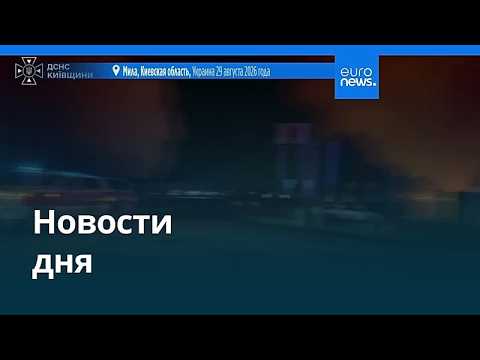
- The death toll from a Russian strike on a warehouse in the Kyiv region has risen to 37, prompting expressions of condolence from local officials and President Volodymyr Zelensky, who announced an investigation into the incident
- In Nepal and China, the aftermath of a catastrophic landslide has resulted in nearly 3,000 people reported missing, with over 633 confirmed dead, as rescue efforts are hampered by extensive destruction and lack of resources
- The U.S. and Venezuela have finalized a significant oil deal, allowing the U.S
- A swimming festival in Budapest temporarily closes a section of the Danube River for participants to swim from Pest to Buda, highlighting local cultural events amidst ongoing geopolitical tensions
details
details
details
details
details
Read full analysis
- The death toll from a Russian strike on a warehouse in the Kyiv region has risen to 37, prompting expressions of condolence from local officials and President Volodymyr Zelensky, who announced an investigation into the incident
- In Nepal and China, the aftermath of a catastrophic landslide has resulted in nearly 3,000 people reported missing, with over 633 confirmed dead, as rescue efforts are hampered by extensive destruction and lack of resources
- An investigation has been prompted by local officials and the President
- Cultural events like the swimming festival in Budapest continue despite geopolitical tensions
The events reported highlight significant geopolitical tensions, particularly the ongoing conflict involving Russia and its impact on Ukraine, as evidenced by the recent strike that resulted in numerous casualties. Additionally, the U.S.-Venezuela oil deal underscores shifting alliances and economic strategies in international relations. The catastrophic landslide in Nepal and China, while primarily a natural disaster, also reflects the vulnerabilities of nations in crisis management and resource allocation.
This analysis is an original interpretation prepared by Art Argentum based on the transcript of the source video. The original video content remains the property of the respective YouTube channel. Art Argentum is not responsible for the accuracy or intent of the original material.