



Zonda Crypto Investigation and Political Accountability in Poland
Analysis of the Zonda Crypto investigation, based on "Interrogations regarding Zondacrypto - PKOL president facing charges!" | Telewizja Republika.
OPEN SOURCERadosław Piesiewicz, the president of the Polish Olympic Committee, is currently under investigation for serious allegations linked to the cryptocurrency platform Zonda Crypto. The inquiry includes claims of misuse of influence and unauthorized fund withdrawals, raising significant concerns about the integrity of financial oversight in Poland.
The investigation has sparked political controversy, with accusations that it targets conservative media, particularly the Republika station, which has been critical of the ruling coalition. Allegations suggest that Piesiewicz leveraged connections with high-profile officials, including the Prime Minister, to facilitate these actions, leading to questions about political bias in the handling of the case.
Public expectations center on accountability for any illegal actions related to cryptocurrency, rather than a politically motivated spectacle. The involvement of state institutions in the Zondacrypto scandal has further raised concerns about transparency, especially given the Prime Minister's alleged misleading statements regarding the government's awareness of Zondacrypto's operations.
The inquiry has also highlighted issues surrounding the funding of political events, such as the Campus Poland initiative, which is perceived as a party event funded by taxpayers. Critics argue that the funding model reflects a broader issue of public resources being funneled into party activities, questioning the ethical implications of such practices.
As the situation evolves, the potential for preventive measures against Piesiewicz, including travel bans or temporary arrest, remains a possibility. The political landscape in Poland is under scrutiny, with the ruling party facing criticism for its handling of public funds and the opposition demanding greater transparency.
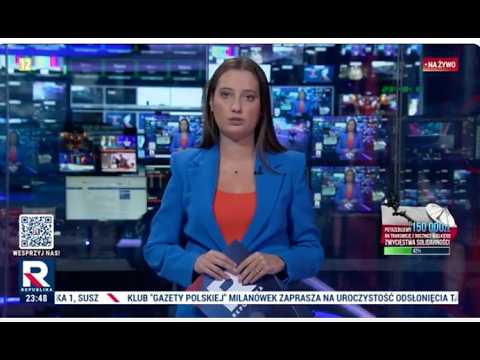
- Radosław Piesiewicz, the president of the Polish Olympic Committee, is facing serious allegations related to the cryptocurrency platform Zonda Crypto, including misuse of influence and unauthorized fund withdrawals
- The investigation involves claims that Piesiewicz leveraged connections with high-profile officials, including Prime Minister Mateusz Morawiecki, to facilitate these actions
- Piesiewicz was detained and has been undergoing questioning for several hours, with the possibility of facing preventive measures such as travel bans or even temporary arrest
- The situation is evolving, with law enforcement present at the prosecutors office, indicating potential developments in Piesiewiczs legal status in the near future
details
Read full analysis
- Allegations of misuse of influence and unauthorized fund withdrawals raise serious concerns about financial oversight
- Concerns about selective enforcement and lack of accountability for the ruling party
- Public expectations focus on accountability for illegal actions related to cryptocurrency
- Radosław Piesiewicz, the president of the Polish Olympic Committee, is under investigation, with speculation about his potential release from custody as the situation evolves
- The opposition claims that the investigation into Zondacrypto is part of a broader attack on conservative media, particularly targeting the Republika station, which has been critical of the ruling coalition
- Despite Zondacryptos financial ties to various media outlets, including major publications, Republika has been singled out in the political discourse surrounding the scandal
- Donald Tusk, a prominent political figure, has been linked to Zondacrypto through past endorsements, raising questions about his involvement and the implications for his political standing
- Republika has proactively disclosed financial documents related to its dealings with Zondacrypto, contrasting with other media that have not revealed similar information, highlighting a potential transparency issue in the media landscape
- The involvement of state institutions in the Zondacrypto scandal raises concerns about the integrity of financial oversight in Poland, as officials from the National Revenue Administration participated in training sessions with Zondacrypto
- Allegations suggest that the Prime Minister may have misled the public regarding the governments awareness of Zondacryptos operations, which are compared to the infamous Amber Gold case
- President Karol Nawrockis veto of cryptocurrency legislation is scrutinized, with claims that the law was designed to benefit Zondacrypto and disadvantage its competitors, highlighting potential conflicts of interest
- The opposition demands transparency from the Prime Minister about when he became aware of the Zondacrypto issues and what actions were taken to protect the public from potential fraud
- The narrative suggests a political bias in how scandals are treated, with rapid responses to issues involving the right while slower reactions occur for those linked to the current government
details
- The prosecutors focus on a single media outlet raises suspicions of political bias, suggesting selective targeting of certain individuals and organizations while ignoring others involved in the Zondacrypto controversy
- Public expectations center on accountability for those responsible for any illegal actions related to cryptocurrency, rather than a politically motivated spectacle surrounding the issue
- A recent natural disaster in Nepal resulted in at least 277 confirmed deaths, with around 1,500 individuals still missing, highlighting the devastating impact of a sudden avalanche and landslide that swept through communities
- Rescue operations are ongoing under challenging conditions, with many roads destroyed and entire towns submerged, complicating efforts to locate survivors and recover bodies
- The disasters unpredictability was emphasized by geologists, who noted that the massive ice and rock collapse from the Himalayas could not have been foreseen, leading to catastrophic consequences for the affected regions
- The health condition of King Harald V of Norway, aged 89, has deteriorated significantly, leading to his hospitalization due to hemolytic anemia and bacterial infection
- His son, Crown Prince Haakon, has canceled all scheduled engagements as the royal family gathers at the hospital amid concerns for the kings health
- Marian Markiewicz, a brother in the religious community, passed away, remembered for his close relationship with Pope John Paul II and his service as a driver for the late cardinal
- Markiewiczs contributions to the church and his personal anecdotes about his time with the pope highlight his significant role in religious history, as well as the deep connections he formed with those around him
- The funeral for Markiewicz was attended by family, friends, and notable figures, reflecting his impact on the community and the affection held for him
- The fifth edition of the Campus Poland Future event in Olsztyn, organized by Rafał Trzaskowski, is under scrutiny for its political nature and funding sources, as it is supported by local government bodies using public funds
- Investigations revealed that only three out of twenty local entities disclosed their financial contributions, with significant amounts allocated to support the event, raising concerns about the legality of using public money for a political gathering
- The event is positioned as a major political and social festival aimed at mobilizing young voters, with organizers emphasizing its role in shaping a democratic coalition ahead of upcoming elections
- Critics argue that the funding model reflects a broader issue of public resources being funneled into party activities, questioning the transparency and ethical implications of such financial practices
- A divide in Polish politics, particularly regarding the influence of right-wing parties and their response to progressive movements, including womens rights and LGBTQ+ issues
details
details
details
details
- The ruling party, Law and Justice, has faced financial penalties for using public funds for political activities, while similar scrutiny is not applied to the opposition coalition
- Concerns are raised about the transparency of public funding in political events, particularly regarding the Campus Poland initiative, which is perceived as a party event funded by taxpayers
- The speaker criticizes the lack of accountability from electoral authorities and law enforcement regarding the financial sources of political campaigns
- There is a notable contrast between the Campus Poland event and a presidential initiative aimed at engaging youth, highlighting the absence of government officials at the latter, which is seen as more genuine
- The popularity of the president among young voters is emphasized, suggesting a potential shift in political dynamics as the ruling party struggles to connect with this demographic
The investigation into Radosław Piesiewicz, president of the Polish Olympic Committee, highlights significant concerns regarding political bias and the integrity of financial oversight in Poland. Allegations of misuse of influence and unauthorized fund withdrawals linked to the cryptocurrency platform Zondacrypto raise questions about the government's transparency and accountability, particularly in relation to the Prime Minister's involvement.
This analysis is an original interpretation prepared by Art Argentum based on the transcript of the source video. The original video content remains the property of the respective YouTube channel. Art Argentum is not responsible for the accuracy or intent of the original material.