



The Role of Grandparents in Mexican Society
Analysis of the evolving role of grandparents in Mexico, based on "Grandmothers: between the gratification of raising grandchildren and economic pressure" | Milenio.
OPEN SOURCEIn Mexico, the demographic shift has led to 12% of the population being over 65 years old, with 70% of grandparents actively involved in raising their grandchildren. This evolving role is largely influenced by increased life expectancy and the growing participation of women in the workforce, which has transformed caregiving into both a source of joy and a significant economic burden.
While many grandparents derive satisfaction from their caregiving roles, particularly in nurturing their grandchildren, the reality is often more complex. Economic pressures, especially in low-income families, can turn what should be a gratifying experience into an obligation, particularly for women who may already be juggling multiple jobs.
Research indicates that financial support programs have had a profound impact on the lives of older women, providing necessary assistance that alleviates some of the burdens associated with caregiving. However, the lack of adequate childcare options and extended school hours remains a critical issue that needs to be addressed to foster healthier grandparent-grandchild relationships.
The importance of community support and solidarity within families is emphasized, particularly in the context of aiding migrant families. This collective approach counters the trend of individualism and promotes a more supportive environment for both grandparents and grandchildren.
As the population continues to age, it is essential to recognize older adults not merely as dependents but as valuable contributors to society. Policies should focus on enabling their active participation rather than relegating them to survival roles, ensuring that they can engage meaningfully with their families and communities.
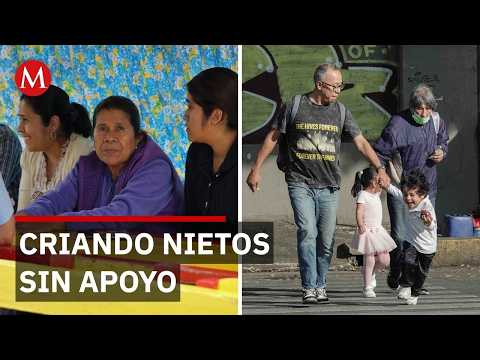
- The role of grandparents in Mexico has evolved due to increased life expectancy and womens participation in the workforce, with 70% of grandparents involved in raising their grandchildren
- While many grandparents find joy in their caregiving roles, economic pressures often turn this responsibility into an obligation, particularly for women in low-income families who may work multiple jobs
- Research indicates that financial support can significantly improve the lives of older women, highlighting the need for social policies that provide adequate childcare and extended school hours to foster a more positive grandparent-grandchild relationship
- The importance of solidarity and cooperation within Mexican families is emphasized, especially in the context of supporting migrant families, which counters individualism and promotes community support
Read full analysis
- Many grandparents find joy in their caregiving roles
- Financial support programs have significantly improved the lives of older women
- Economic pressures often turn caregiving into an obligation, especially for women in low-income families
- Community support is essential for aiding families, particularly migrant ones
- Economic support programs have significantly transformed the lives of older women in Mexico, providing essential assistance that was previously lacking
- There is a pressing need for more community centers where older adults can engage socially, exercise, and learn to use technology, which can enhance their quality of life
- The integration of technology into the lives of older adults is crucial, as younger generations can help bridge the gap, allowing seniors to access new forms of communication and cultural engagement
- As the population ages, it is vital to view older adults not as burdens but as valuable contributors to society, with policies that support their active participation rather than forcing them into survival jobs
The evolving role of grandparents in Mexico highlights a critical intersection of caregiving and economic necessity, particularly for women in low-income families. While many find joy in their responsibilities, the pressure to provide care often transforms this role into an obligation, underscoring the need for robust social policies. Financial support programs have shown to significantly improve the lives of older women, yet the lack of adequate childcare and extended school hours remains a pressing issue.
This analysis is an original interpretation prepared by Art Argentum based on the transcript of the source video. The original video content remains the property of the respective YouTube channel. Art Argentum is not responsible for the accuracy or intent of the original material.