




Iran-US Conflict Escalation in the Gulf
Analysis of Iran's retaliatory strikes and escalating tensions in the Gulf, based on "US Base Under Siege? Iran's Back-To-Back Attacks Trigger Sirens & Panic After Trump's New Operation" | Timesofindia.
OPEN SOURCEMissile warning sirens activated in Bahrain following Iran's retaliatory strikes against U.S. airstrikes, escalating tensions in the region. Bahrain, home to the U.S. Navy's Fifth Fleet, was placed on high alert, with no immediate casualties or damage reported.
The conflict escalated after Iran allegedly attacked a commercial ship in the Strait of Hormuz, prompting U.S. military operations targeting Iranian assets. President Trump stated that Iran had previously agreed to a diplomatic deal but violated it with recent attacks.
Iran accused the U.S. of sabotaging diplomatic efforts and threatened further strikes against U.S. bases if military operations continue. The situation remains precarious as both sides engage in military actions that could lead to a wider regional conflict.
Tensions in the Gulf intensified as Iran conducted missile strikes against U.S. military assets in Kuwait, expanding its retaliatory campaign following recent U.S. strikes. Reports indicated multiple explosions and potential casualties among U.S. personnel.
Kuwait confirmed attacks on various locations, including a drone strike on an offshore oil platform, which injured one worker. The escalation in regional security follows a new wave of U.S. strikes targeting Iranian military sites.
Iran's retaliatory actions have involved missile and drone attacks on U.S. positions across several Gulf states, suggesting a broader conflict that could further destabilize the region.
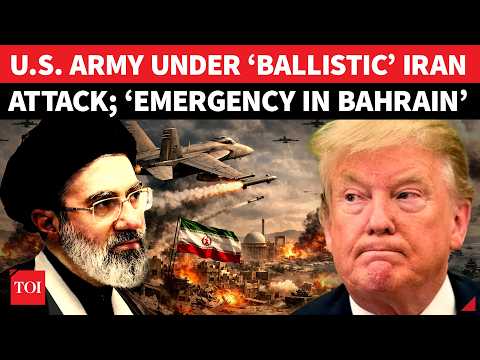
- Missile warning sirens were activated in Bahrain after Irans retaliatory strikes in response to U.S. airstrikes, heightening regional tensions
- Bahrain, home to the U.S. Navys Fifth Fleet, was placed on high alert, with no immediate casualties or damage reported
- The conflict escalated following Irans alleged attack on a commercial ship in the Strait of Hormuz, leading to U.S. military operations targeting Iranian assets
- President Trump stated that Iran had previously agreed to a diplomatic deal but violated it with recent attacks, while Iran accused the U.S. of sabotaging diplomatic efforts
- Iran has threatened further strikes against U.S. bases if military operations continue, despite U.S
details
Read full analysis
- Claims military operations are necessary to protect international shipping in the Strait of Hormuz
- Maintains that Irans actions have violated previous diplomatic agreements
- Accuses the U.S. of disrupting diplomatic efforts and escalating military tensions
- Threatens further strikes against U.S. bases if military operations continue
- Reports indicate multiple explosions and potential casualties among U.S. personnel
- Kuwait confirmed attacks on various locations, including a drone strike on an offshore oil platform
- Tensions in the Gulf intensified as Iran conducted missile strikes against U.S. military assets in Kuwait, expanding its retaliatory campaign following recent U.S
- Irans Fars news agency reported multiple explosions near Bandar Abbas and Keshem Island, claiming that 10-11 projectiles hit the island, while Kuwait confirmed attacks on various locations, including a drone strike on an offshore oil platform
- Unverified reports indicated that three U.S. military personnel may have been killed and several others injured in the strikes, which Kuwaits defense ministry condemned as a criminal attack causing material damage
- The escalation in regional security comes after a new wave of U.S. strikes targeting Iranian military sites, justified by the U.S
- Irans retaliatory actions have involved missile and drone attacks on U.S. positions across several Gulf states, including Bahrain, Qatar, and Jordan, suggesting a broader conflict that could further destabilize the region
details
The situation hinges on the assumption that military action will deter Iran's aggression, yet this overlooks the potential for escalation and the role of regional allies. Inference: The U.S. strategy may inadvertently provoke further Iranian retaliation, complicating diplomatic resolutions. The lack of a clear exit strategy raises questions about the sustainability of U.S. military presence in the region.
This analysis is an original interpretation prepared by Art Argentum based on the transcript of the source video. The original video content remains the property of the respective YouTube channel. Art Argentum is not responsible for the accuracy or intent of the original material.