




Finland's NATO Membership and Its Impact on Russian Military Strategy
Analysis of Finland's NATO membership and its impact on Russian military strategy regarding the Kola Peninsula, based on 'Can Finland cut off Russia's nuclear bastion?' | DW News.
OPEN SOURCEFinland's reputation for toughness and its strong conventional military capabilities have gained significance following its NATO membership. The Kola Peninsula, a critical Russian military stronghold, is now under increased scrutiny due to Finland's proximity and military readiness.
The Kola Peninsula houses Russia's nuclear arsenal and relies on a single highway and railway for logistical support, creating vulnerabilities that NATO could exploit. Historical incidents, such as the 2020 railway bridge collapse, underscore the importance of these transport routes for both military and civilian life.
Finland's military can mobilize a substantial number of soldiers and has a robust defense system in place, reflecting its historical experiences with Russia. The integration of Finland into NATO complicates Russian military strategies, as it now faces a coordinated defense approach from Nordic countries.
In a potential conflict, Finland would likely focus on defending its territory while supporting Baltic states, utilizing its naval and air capabilities. However, the presence of nuclear assets in the Kola Peninsula raises concerns about escalation during military engagements.
Russia is responding to Finland's NATO membership by enhancing its military infrastructure in the Kola region, including upgrading brigades and expanding bases. This indicates that Moscow is taking the Finnish military presence seriously and is preparing for potential challenges.
While a direct conflict in the Arctic is deemed unlikely, rising tensions between Russia and NATO could elevate the strategic importance of the Kola Peninsula, making it a focal point in future military considerations.
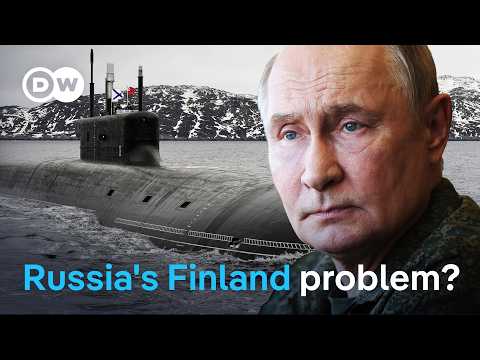
- Finlands enhanced military capabilities, following its NATO membership, present a significant strategic challenge to Russia, especially regarding the Kola Peninsula, crucial for its nuclear arsenal
- The Kola Peninsula, which hosts Russias northern fleet and ballistic missile submarines, is vulnerable due to its reliance on a single highway and railway for access to the rest of the country
- Geographical obstacles, such as swamps and frozen terrain, hinder infrastructure development and military logistics on the Kola Peninsula, amplifying its strategic vulnerabilities
- Past incidents, like the 2020 railway bridge collapse near Murmansk, highlight the importance of these transport routes, as disruptions can critically affect military readiness and civilian life
- Finlands potential to exploit the Kola Peninsulas vulnerabilities poses a growing concern for Russian military strategists, signaling a shift in the Arctics strategic dynamics
details
Read full analysis
- Mobilizes around 280,000 soldiers, with plans to increase to 300,000
- Possesses a robust defense system and historical commitment to deterrence
- Kola Peninsulas reliance on a single highway and railway creates logistical vulnerabilities
- Enhances military infrastructure in response to Finlands NATO membership
- Direct conflict in the Arctic is considered unlikely
- Finlands NATO membership in 2023 significantly impacts Russias strategic considerations, particularly regarding the Kola Peninsula, a vital nuclear stronghold
- The Finnish military is well-equipped, with the ability to mobilize approximately 280,000 soldiers and plans to expand this to 300,000, supported by nearly a million trained reservists
- Finlands military readiness is influenced by its historical experiences during the Winter War, fostering a national commitment to deterrence against potential threats
- The integration of Finland into NATO complicates Russian military strategies, as it now faces a coordinated defense approach from Nordic countries, including Sweden and Norway
- In a conflict scenario, Finland is expected to focus on defending its territory while also providing support to Baltic states, utilizing its naval and air capabilities to counter Russian movements
details
details
- The Kola Peninsula is a key military stronghold for Russia, featuring nuclear submarines and Arctic ground units, but its dependence on a single highway and railway creates a logistical vulnerability
- In a conflict scenario, Russia may seek to establish air defense systems in Finland, posing a threat to Finnish sovereignty and potentially disrupting Northern Atlantic maritime traffic
- NATO could focus on disrupting the Kola Peninsulas logistics, particularly targeting the R-21 highway and railway, which are crucial for troop and supply movements
- Finlands acquisition of F-35 fighter jets enhances its military capabilities, enabling effective strikes on critical infrastructure, such as bridges, which could serve as a diversion in broader military operations
- The presence of nuclear assets in the Kola Peninsula complicates military strategies, raising concerns about the potential escalation of tensions with Russia during military engagements
details
details
- Finlands military considerations regarding the Kola Peninsula are complicated by Russias nuclear capabilities, making any potential offensive actions politically sensitive
- The R-21 highway and Murmansk railway are vital logistical routes for Russia, and their disruption could be a strategic objective for NATO and Finland in a conflict
- Russia is bolstering its military presence in the Kola region by upgrading brigades and expanding bases, signaling a significant response to Finlands NATO membership
- Estimates indicate that Russia may deploy up to 115,000 troops along its borders with NATO, with approximately 80,000 positioned near Finland, highlighting increased military readiness
- Although a direct conflict in the Arctic is considered unlikely, rising tensions between Russia and NATO could elevate the regions strategic importance
details
details
The assumption that Finland's military enhancements will significantly disrupt Russian operations overlooks potential Russian countermeasures and the resilience of its military infrastructure. Inference: The reliance on a single transport route could be exploited, but the actual impact depends on Russia's ability to adapt and reinforce its logistics. Missing variables include the response strategies of both nations and the geopolitical ramifications of any military engagement.
This analysis is an original interpretation prepared by Art Argentum based on the transcript of the source video. The original video content remains the property of the respective YouTube channel. Art Argentum is not responsible for the accuracy or intent of the original material.