




Trump's Chaotic Policy Shifts on Iran
Analysis of Trump's chaotic policy shifts regarding Iran, based on 'Bravado and the backflip: Peter Hartcher on Trump's 24 hours of 'madness'' | Smhtheage.
OPEN SOURCEDonald Trump recently announced a shipping toll on the Strait of Hormuz, which would have significantly increased petrol prices and inflation. However, he quickly reversed this decision, raising concerns about his administration's consistency and credibility in foreign policy.
Following the toll announcement, Trump threatened military action against Iranian infrastructure, which some analysts view as a potential war crime. This pattern of rapid escalation followed by swift de-escalation highlights a troubling lack of coherent strategy within the administration.
The situation escalated further as disagreements over a memorandum of understanding between the U.S. and Iran led to military actions, including shelling of commercial shipping. Trump's insistence on a 20% charge for shipping through the Strait of Hormuz was met with ridicule and was quickly abandoned.
Despite Trump's threats, Iran has gained escalation dominance in the conflict, complicating any potential negotiations. The Iranian regime is politically benefiting from the situation, which undermines U.S. efforts to assert control in the region.
Republicans are increasingly frustrated with the prolonged conflict, which has lasted longer than initially promised. Trump's comparison of the situation to the Vietnam War raises concerns about his perception of military success and the impact on public opinion.
The chaotic political landscape in Washington reflects the administration's struggles with both domestic and foreign policy issues, as the ongoing conflict continues to affect Trump's standing and credibility.
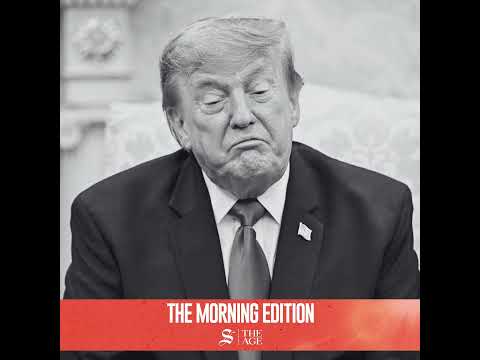
- Donald Trump announced a shipping toll on the Strait of Hormuz, which would have raised petrol prices and inflation, but quickly reversed this decision
- After the toll announcement, Trump threatened military action against Iranian infrastructure, raising concerns about potential war crimes
- Peter Hartcher notes a pattern in the administration of rapid escalation followed by swift de-escalation, highlighted by Trumps abrupt policy changes
- The initial proposal faced ridicule, as similar threats from Iran had been previously dismissed as illegal and impractical
- This incident underscores Trumps ongoing challenges in negotiations and his tendency to make bold declarations that he later retracts, raising questions about the consistency of U.S. foreign policy
details
Read full analysis
- Argue that Trumps bold announcements are necessary to assert U.S. power
- Claim that rapid policy shifts are a strategic maneuver to keep adversaries guessing
- Highlight the inconsistency and lack of coherent strategy in Trumps approach
- Warn that such erratic behavior undermines U.S. credibility in international negotiations
- Acknowledge that the Iranian regime is benefiting politically from the current situation
- Note that the prolonged conflict is causing frustration among Republicans
- The source block primarily serves a promotional purpose, specifically advertising a podcast series
details
- Iran has established escalation dominance in the conflict, diminishing Donald Trumps control over the situation
- Despite Trumps social media threats, the Iranian regime is politically benefiting, strengthening its stance against the U.S. and Israel
- The U.S. is depleting its strategic oil reserves and munitions while attempting to suppress global oil prices, which undermines its military readiness
- Although the Iranian economy is struggling, the regimes defiance of U.S. power enhances its legitimacy, empowering hard-liners
- To negotiate an end to the conflict, Trump may need to make significant concessions, such as unfreezing up to $100 billion in Iranian assets, but this may not be enough given Irans current leverage
details
- Republicans are growing increasingly frustrated with the ongoing conflict in Iran, which has now lasted five months, contrary to Trumps initial estimate of four to six weeks
- Trumps recent defense of the war, comparing it to the Vietnam War, reveals a concerning perception of success, suggesting that a shorter duration is a positive indicator
- Media coverage of Trumps military threat backtrack has been overshadowed by other significant news, highlighting the chaotic political landscape
- Concerns are rising among Republicans regarding the impact of the war on petrol prices and Americas international reputation
- The political environment in Washington is marked by sustained chaos, as the administration grapples with both domestic and foreign policy issues
The rapid escalation and de-escalation of Trump's policies suggest a lack of coherent strategy, raising questions about the administration's understanding of international law and the implications of military threats. Inference: This inconsistency may undermine U.S. credibility in foreign negotiations, as allies and adversaries alike may doubt the reliability of U.S. commitments.
This analysis is an original interpretation prepared by Art Argentum based on the transcript of the source video. The original video content remains the property of the respective YouTube channel. Art Argentum is not responsible for the accuracy or intent of the original material.