




Impact of U.S. Sanctions on Iran and the Rise of the Renminbi
Analysis of U.S. sanctions on Iran and their impact on the Renminbi, based on "Has the Renminbi quietly achieved a small victory?" | CommonWealth Magazine .
OPEN SOURCEThe U.S. has revoked Iran's oil export waivers, effectively closing the door on dollar transactions and pushing Iran closer to using the yuan for oil sales. Despite sanctions, Iran continues to sell oil through clandestine networks, often accepting payment in yuan and rubles, with approximately 80-90% of its oil exports going to China.
The U.S. policy shift from isolating Iran to managing it allows for temporary dollar transactions, which could generate significant revenue for Iran. China's Cross-Border Interbank Payment System (CIPS) is facilitating the use of the yuan in international trade, particularly as countries seek to evade U.S. sanctions.
The rising transaction volumes in CIPS indicate a growing trend towards de-dollarization, as countries like Iran and Russia increasingly prefer yuan for trade, diminishing U.S. financial influence. The yuan's share in global trade financing has surged, surpassing the euro to become the second-largest trade financing currency.
The United Arab Emirates has suggested it may shift to using the yuan for oil sales if faced with dollar shortages, indicating the yuan's rising role in global trade. Analysts agree that while China does not intend to fully replace the dollar with the yuan, it aims to create strategic trade routes that diminish U.S. economic influence.
U.S. sanctions on Iran's oil exports may have unintentionally accelerated the decline of the petrodollar system, as countries increasingly seek to use the yuan to bypass U.S. restrictions. The complexities of international trade and the existing dominance of the dollar create significant barriers to any swift transition.
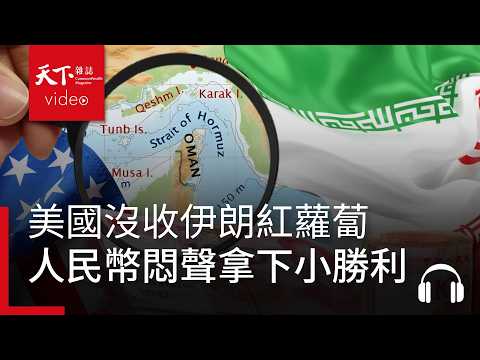
- The U.S. has revoked Irans oil export waivers, effectively closing the door on dollar transactions and pushing Iran closer to using the yuan for oil sales
- Despite sanctions, Iran continues to sell oil through clandestine networks, often accepting payment in yuan and rubles, with approximately 80-90% of its oil exports going to China
- The U.S. policy shift from isolating Iran to managing it allows for temporary dollar transactions, which could generate significant revenue for Iran
- Chinas Cross-Border Interbank Payment System (CIPS) is facilitating the use of the yuan in international trade, particularly as countries seek to evade U.S. sanctions
- The rising transaction volumes in CIPS indicate a growing trend towards de-dollarization, as countries like Iran and Russia increasingly prefer yuan for trade, diminishing U.S. financial influence
details
Read full analysis
- Highlights the increasing use of the yuan in international trade, particularly by Iran and Russia
- Questions the sustainability of reliance on the yuan if economic conditions in China deteriorate
- Argues that geopolitical alliances and the dollars existing dominance create barriers to a swift transition
- Acknowledges that while China aims to diminish U.S. economic influence, it does not intend to fully replace the dollar
- Recognizes the complexities of international trade dynamics in the context of currency shifts
- The number of financial institutions using the yuan has more than doubled, with over 90% of trade between China and Russia now settled in yuan and rubles, a significant increase from just 2% before February 2022
- The yuans share in global trade financing has surged to 6% as of April 2023, surpassing the euro to become the second-largest trade financing currency
- The United Arab Emirates, under economic strain from conflicts with Iran, has suggested it may shift to using the yuan for oil sales if faced with dollar shortages, indicating the yuans rising role in global trade
- While analysts agree that China does not intend to fully replace the dollar with the yuan, it aims to create strategic trade routes that diminish U.S. economic influence and provide a layer of economic protection
- U.S. sanctions on Irans oil exports may have unintentionally accelerated the decline of the petrodollar system, as countries increasingly seek to use the yuan to bypass U.S
The assumption that Iran's pivot to the yuan will significantly undermine the dollar overlooks the complexities of global trade dynamics. Inference: The effectiveness of this strategy hinges on the willingness of other nations to adopt the yuan, which remains uncertain given existing geopolitical tensions and the yuan's limited global acceptance. Missing variables include the potential for U.S. countermeasures and the resilience of existing dollar-based systems.
This analysis is an original interpretation prepared by Art Argentum based on the transcript of the source video. The original video content remains the property of the respective YouTube channel. Art Argentum is not responsible for the accuracy or intent of the original material.