




Ukrainian Drone Attacks and Russian Propaganda
Analysis of the escalation of Ukrainian drone attacks, based on "Wasted and irritated Solovyov laments the continuous attacks of Ukrainian drones" | Andromeda.
OPEN SOURCEUkrainian drone attacks have escalated significantly, prompting frustration among Russian officials, particularly Vladimir Solovyov. The effectiveness of Russian propaganda is being challenged as ordinary citizens document the impacts of these strikes, leading to a growing sense of helplessness within the government.
Solovyov criticizes the inadequate air defense system in Russia, questioning accountability for its shortcomings. He expresses dissatisfaction with local governors' responses to drone attacks, implying they are failing to confront the threat and are shifting blame instead.
The propaganda narrative is faltering as ordinary Russian citizens capture and share the effects of Ukrainian drone operations, challenging official narratives. This situation raises concerns about public perception of the government's handling of the conflict.
There is a noticeable disparity in reporting, with Russian sources focusing on Ukrainian strikes while neglecting to provide information on their own responses. This lack of transparency is contributing to public disillusionment regarding the government's ability to protect critical infrastructure.
Solovyov's remarks indicate a growing awareness among Russians of the shortcomings in military strategy and the urgent need for more effective responses to Ukrainian drone attacks. The ongoing conflict is prompting discussions about accountability and the effectiveness of the government's response.
As the war continues, the reliance on propaganda to shape public perception is fundamentally flawed, as it assumes citizens will remain passive consumers of information. The increasing documentation of drone strike impacts by ordinary Russians suggests a potential shift in public sentiment that could undermine state narratives.
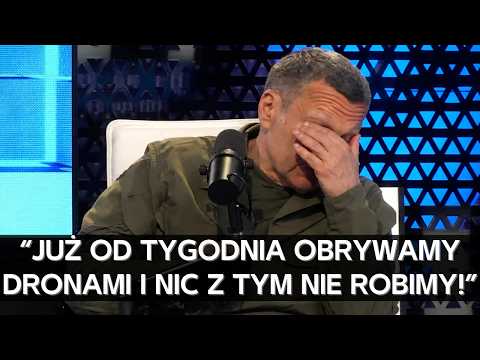
- Ukrainian drone attacks have escalated to a point where Russian propaganda, particularly from Vladimir Solovyov, can no longer overlook them, resulting in heightened frustration among Russian officials
- Solovyov criticizes the ineffective air defense system in Russia, questioning who is accountable for its shortcomings and emphasizing the negative impact of these drone strikes on Russian infrastructure
- He expresses dissatisfaction with local governors responses to drone attacks, implying they are failing to confront the threat and are shifting blame instead
- The propaganda narrative is faltering as ordinary Russian citizens capture and share the effects of Ukrainian drone operations, challenging official narratives
- Solovyovs remarks indicate a growing concern within Russian media regarding the effectiveness of their messaging and the intensifying nature of Ukrainian drone campaigns, especially in major urban areas like Moscow
Read full analysis
- Ukrainian drone strikes effectively target Russian infrastructure
- Russian officials express frustration over the effectiveness of air defenses
- Criticism is directed at local governors for inadequate responses to drone attacks
- Public sentiment is shifting as citizens document the impacts of drone strikes
- The speaker expresses frustration over the absence of an effective air defense system in Russia, questioning why it has not been established despite the ongoing conflict
- Criticism is directed at Russian authorities for their inadequate response to drone attacks, with a call for accountability among those responsible for national security
- The speaker points out the effectiveness of Ukrainian drone strikes compared to Russian defenses, noting that Ukraine successfully targets specific locations while Russia struggles to protect its infrastructure
- Concerns are raised about public perception of the governments handling of the situation, indicating that the official narrative is insufficient and misleading
- There is a strong emphasis on the need for transparency and accountability, advocating for punitive actions against those who fail to safeguard critical infrastructure from attacks
- The scale of the Ukrainian drone campaign has reached a point where it can no longer be ignored by Russian propaganda, prompting expressions of frustration from figures like Vladimir Solovyov regarding attacks on oil infrastructure
- Solovyov questions the effectiveness of Russian air defense systems, highlighting their failure to intercept Ukrainian drones while these drones successfully target Russian infrastructure
- There is a noticeable disparity in reporting, with Russian sources focusing on Ukrainian strikes and neglecting to provide information on their own responses, raising concerns about accountability
- The commentary reflects a growing disillusionment among the Russian public regarding the governments ability to protect critical infrastructure amid ongoing attacks
- Solovyovs remarks indicate an increasing awareness among Russians of the shortcomings in military strategy and the urgent need for more effective responses to Ukrainian drone attacks
- Vladimir Solovyov, a prominent figure in Russian propaganda, is increasingly frustrated by the scale of Ukrainian drone attacks, which challenge the official narrative
- He expresses irritation over the damage to oil infrastructure and questions the effectiveness of Russian air defenses, particularly the reported high interception rates
- Solovyov points out the disconnect between government claims of success in intercepting drones and the reality of ongoing attacks, indicating a growing public awareness of defense failures
- The commentary reveals broader concerns within Russian media regarding military strategy effectiveness and the economic consequences of a prolonged conflict as the war enters its fifth year
- There is a recognition of the urgent need for a more robust response to the drone threat, with Solovyov criticizing the current military approach and advocating for a reassessment of priorities
- Ukrainian drone attacks are significantly damaging Russian infrastructure, causing frustration among propagandists like Vladimir Solovyov
- Solovyov expresses concern that these attacks are strategically aimed at undermining Russias military capabilities and destabilizing public morale
- He warns that the situation will be manipulated to provoke public dissent, framing the attacks as a result of government failures
- The speaker calls for a unified response to the war, advising those who feel weak or disillusioned to leave the country instead of undermining it
- Solovyov draws parallels to World War II, cautioning that underestimating the enemys resolve could lead to disastrous consequences
details
- The scale of the Ukrainian drone campaign has escalated to a point where Russian propaganda, particularly from Vladimir Solovyov, can no longer overlook it, resulting in heightened public frustration regarding attacks on oil infrastructure
- Solovyov conveys a sense of helplessness while discussing the unprecedented drone strikes on Moscow, underscoring the difficulties faced by Russian defenses against these aerial threats
- He stresses the necessity for a strategic military response, urging the Russian military to adapt and analyze the situation to effectively counter the ongoing drone attacks, which he considers a significant modern challenge
- The conversation critiques the Russian publics reaction to the war, with Solovyov encouraging citizens to maintain resolve and avoid succumbing to panic or despair amid adversity
- He cautions against the risks of public dissent and internal discord, advocating for a unified front and strict discipline within military ranks to effectively confront the ongoing conflict
- Russian propaganda, led by Vladimir Solovyov, is increasingly challenged by the significant escalation of Ukrainian drone attacks
- Solovyov conveys frustration regarding the damage these drone strikes inflict on Russian oil infrastructure, revealing a sense of helplessness within the propaganda framework
- He points out that ordinary Russian citizens documenting the impacts of Ukrainian drone operations are undermining the official state narrative
- The discussion raises concerns about the psychological effects of the ongoing war, drawing historical parallels and emphasizing the need for discipline and order during challenging times
- Solovyov contrasts the chaotic freedom of 1916-1917 with the strict regime of World War II, suggesting that the current situation necessitates a return to order to effectively address perceived threats
- Vladimir Solovyov expresses frustration over the inability of Russian propaganda to ignore the extensive Ukrainian drone campaign targeting Russian infrastructure
- He laments the unprecedented impact of these drone attacks, particularly in Moscow, which has led to a sense of helplessness among Russian elites
- Solovyov critiques the corrupt and ineffective nature of Russian political figures, suggesting their incompetence is worsening the situation and eroding public confidence
- There is a growing awareness among the Russian elite that failure in the war could have severe consequences for their positions and safety, raising fears of potential repercussions
- He contrasts the current state of Russian governance with historical references to Stalinism, indicating a regression to authoritarianism amid the ongoing conflict
The reliance on propaganda to shape public perception assumes that citizens will remain passive consumers of information. Inference: This could backfire if citizens increasingly share their own narratives, undermining the state's control over the narrative and exposing the inadequacies of the air defense system.
This analysis is an original interpretation prepared by Art Argentum based on the transcript of the source video. The original video content remains the property of the respective YouTube channel. Art Argentum is not responsible for the accuracy or intent of the original material.