



Meta's Legal Challenges and Their Implications
Analysis of Meta's legal challenges, based on "Zuckerberg's worst-case scenario" | Decoder with Nilay Patel.
OPEN SOURCEMeta is currently navigating a complex legal landscape, facing the possibility of a trillion-dollar fine that could significantly alter its operational strategies. This trial is anticipated to mirror public sentiment against the company, with juries potentially holding Meta accountable for its past actions related to user privacy.
The implications of such a fine raise critical questions about how Meta might adapt its algorithms and user engagement strategies in response to regulatory pressures. The scrutiny surrounding the company reflects broader concerns about privacy and accountability in the tech industry.
Judge Ivonne Gonzalez Rogers, recognized for her stringent oversight in technology-related cases, is expected to impose serious penalties on Meta, reminiscent of her previous rulings against other tech giants like Apple. This could set a precedent for how similar cases are handled in the future.
The ongoing case draws notable parallels to the Microsoft antitrust trial, suggesting that regulatory scrutiny can divert a company's focus from essential innovation during pivotal shifts in their platform. This historical context adds weight to the current proceedings against Meta.
In light of these challenges, Meta's emphasis on artificial intelligence and the exploration of new business models may be seen as strategic responses to the regulatory threats it faces. The risk to its core advertising revenue, should user engagement decline, further complicates the company's position.
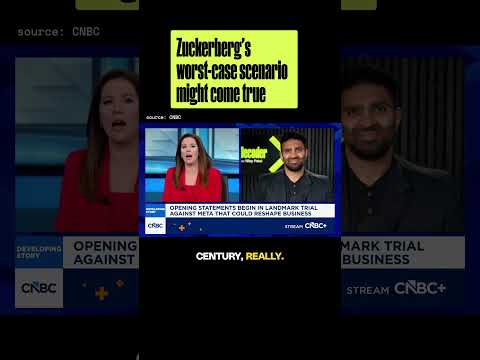
- Meta faces significant legal challenges, including the potential for a trillion-dollar fine, which could lead to major changes in their algorithms and user engagement strategies
- The trial is expected to reflect public sentiment against Meta, as juries may hold the company accountable for its past actions and perceived negligence regarding user privacy
- Judge Ivonne Gonzalez Rogers, known for her strict oversight in tech trials, is likely to impose serious penalties on Meta, similar to her previous rulings against Apple
- The case draws parallels to the Microsoft antitrust trial, highlighting how regulatory scrutiny can distract a company from necessary innovation during critical platform shifts
- Metas focus on artificial intelligence and new business models is seen as a response to the regulatory threats it faces, particularly as its core advertising revenue is at risk if user engagement declines
Read full analysis
- Meta faces significant legal challenges, including the potential for a trillion-dollar fine, which could lead to major changes in their algorithms and user engagement strategies
- The trial is expected to reflect public sentiment against Meta, as juries may hold the company accountable for its past actions and perceived negligence regarding user privacy
- Regulatory scrutiny can distract companies from necessary innovation
- Judge Ivonne Gonzalez Rogers is known for her strict oversight in tech trials
- Metas focus on AI and new business models is a response to regulatory threats
The discussion surrounding Meta's legal challenges highlights the intersection of regulatory scrutiny and innovation in the tech industry. While the potential for a trillion-dollar fine looms large, it raises questions about how such penalties could reshape Meta's business strategies and its approach to user engagement.
This analysis is an original interpretation prepared by Art Argentum based on the transcript of the source video. The original video content remains the property of the respective YouTube channel. Art Argentum is not responsible for the accuracy or intent of the original material.