




Politics in Education: Balancing Perspectives
Analysis of politics in education, based on 'Should politics stay out of the classroom?' | Dr. Daf Show.
OPEN SOURCETeaching politics and government in middle and high school necessitates the introduction of political discussions in the classroom. The emphasizes the importance of encouraging debate and allowing students to express diverse viewpoints.
Concerns arise regarding the political bias in education, particularly the disproportionate representation of liberal perspectives among teachers. The notes a significant ratio of liberal to conservative educators, which raises questions about the neutrality of political discussions in schools.
The supports the idea of students attending political protests, advocating for parental choice in determining their children's participation. They believe that exposure to various political events, including rallies, is crucial for understanding the political process.
Experiential learning is highlighted as a vital component of education. The shares their practice of taking students to voting locations and political rallies, reinforcing the importance of firsthand experience in understanding democracy.
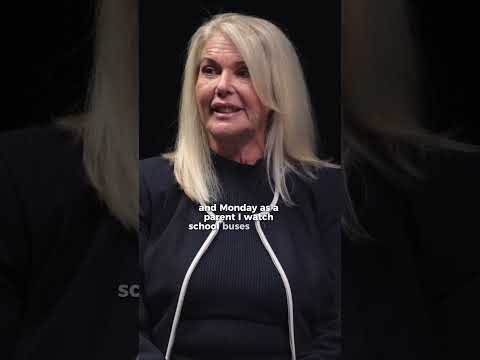
- The speaker teaches politics and government to middle and high school students, highlighting the importance of political discussions in education
- While advocating for an apolitical teaching approach, the speaker acknowledges the need for students to engage in political processes, such as debates and protests
- Concerns about political bias in education are raised, particularly regarding the predominance of liberal perspectives among teachers in high schools and universities
- The speaker supports allowing students to attend protests, emphasizing parental choice in their childrens participation in political events, regardless of the political viewpoint
- Experiential learning is deemed essential, with the speaker sharing their practice of taking students to voting locations and political rallies to enhance their understanding of democracy
Read full analysis
- Encourages students to engage in political processes, including attending protests
- Believes experiential learning through political events enhances understanding of democracy
- Raises concerns about the predominance of liberal perspectives among educators
- Questions the neutrality of political discussions in classrooms due to teacher bias
- Acknowledges the need for parental choice in students participation in political events
- Supports the idea of teaching both sides of political issues in the classroom
The assumption that political discussions can be effectively separated from education overlooks the inherent biases that educators may hold. Inference: The implies that exposure to diverse political views is essential for students, yet fails to address how this exposure might be influenced by the prevailing liberal bias in educational institutions. Without a clear mechanism to ensure balanced representation, the effectiveness of such experiential learning remains questionable.
This analysis is an original interpretation prepared by Art Argentum based on the transcript of the source video. The original video content remains the property of the respective YouTube channel. Art Argentum is not responsible for the accuracy or intent of the original material.