



Fear of Marriage
The reflects on their upbringing in a chaotic family environment, where constant arguments between parents instilled a fear of marriage. They describe how their parents' relationships were marked by conflict, leading to a belief that marriage is inherently problematic.
OPEN SOURCEThe reflects on their upbringing in a chaotic family environment, where constant arguments between parents instilled a fear of marriage. They describe how their parents' relationships were marked by conflict, leading to a belief that marriage is inherently problematic.
Experiences with multiple step-parents further reinforced this fear, as each new relationship ended in disappointment. The 's observations of these relationships contributed to a perception that love and marriage are transactional rather than emotional.
Despite these fears, the eventually found a loving relationship that challenged their previous beliefs. They emphasize the importance of communication and emotional connection in a healthy marriage, contrasting it with their past experiences.
The discussion reveals a journey from fear to understanding, highlighting the potential for positive relationships despite a troubled family history. The acknowledges the need for emotional exchange and mutual understanding in a partnership.
Ultimately, the 's narrative illustrates that while past experiences can shape one's view of marriage, it is possible to redefine those beliefs through positive relationships.
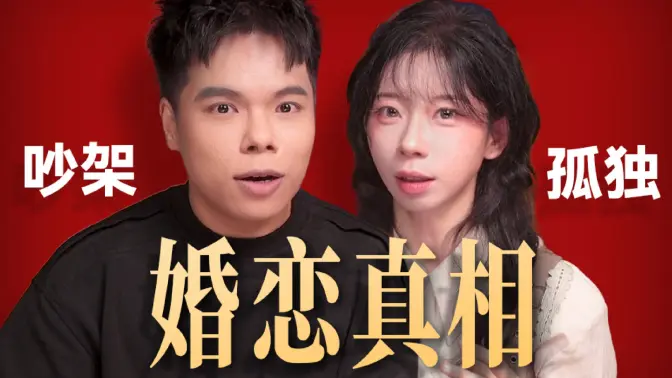
- The speakers fear of marriage stems from a chaotic family environment marked by frequent arguments and multiple step-parents, leading to the belief that marriage is synonymous with conflict
- Having witnessed their parents dysfunctional relationship and numerous failed marriages, the speaker views love and marriage as transactional rather than romantic
- A lack of positive marital role models in their upbringing has fueled the speakers anxiety about commitment, reinforcing the idea that marriage is more about practicalities than emotional bonds
- Personal anecdotes reveal how the fathers volatile behavior and chaotic family dynamics intensified the speakers fears about marriage, prompting doubts about the existence of true love in relationships
Read full analysis
- Witnessing constant conflict between parents instills fear
- Experiencing multiple failed relationships reinforces skepticism
- Finding a loving partner can change perceptions of marriage
- Emphasizing communication and emotional connection as vital
- Family dynamics significantly influence views on marriage
- Personal experiences shape individual beliefs about relationships
- The speakers tumultuous upbringing, characterized by frequent parental arguments, led to a perception of marriage as inherently conflictual and undesirable
- Experiencing multiple step-parents and observing various failed marriages fostered skepticism about the possibility of a happy family, resulting in the belief that true happiness in marriage is unattainable
- A defensive attitude towards relationships emerged, as the speaker avoided emotional connections out of fear of disappointment, which they describe as a form of defensive pessimism
- They express a desire for genuine emotional connection, contrasting it with their parents lack of communication and emotional intimacy, which they found unsettling
- The absence of positive marital examples in childhood contributed to the belief that marriage equates to loneliness and emotional isolation
- The speakers upbringing lacked emotional communication, fostering skepticism about the potential for a happy marriage
- They seek a spiritual connection in relationships, contrasting this with their parents indifference to emotional exchange, which they believe is essential for fulfillment
- The speaker identifies two fears regarding marriage: one related to conflict and the other to emotional isolation
- Their current relationship stands in stark contrast to their family experiences, highlighting that communication can resolve issues rather than escalating conflict
- They point out the absurdity of their parents arguments over trivial matters, suggesting that real-life challenges require more constructive solutions
- The speaker emphasizes the importance of communication in their current relationship, contrasting it with their familys experiences where conflict often escalated
- They challenge the belief that marriage is synonymous with frequent arguments, advocating for rational discussions and understanding differences instead
- A successful intimate relationship, according to the speaker, nurtures mutual understanding and emotional connection, addressing feelings of loneliness from their upbringing
- Maintaining open communication is crucial as partners grow, ensuring that both individuals feel understood and valued
- The speakers previous fears about intimacy and marriage have diminished due to a supportive partnership that prioritizes dialogue and shared experiences
- The speaker highlights the critical role of trust in relationships, contrasting it with their familys lack of trust that fostered fear and insecurity
- They stress the importance of open communication and transparency, noting that sharing personal information, like phone passwords, enhances connection and reduces suspicion
- The speaker reflects on the unique bond in romantic relationships, which they view as distinct from familial ties, allowing for mutual growth and understanding
- They describe marriage as a long-term partnership that offers companionship through lifes challenges, emphasizing its value and significance
- The speaker cautions against generalizing all marriages based on personal experiences, suggesting that past familial issues can remind individuals to build healthier relationships
- The block emphasizes a significant development in understanding the complexities of relationships, highlighting the importance of trust, communication, and the unique nature of romantic partnerships compared to familial
This analysis is an original interpretation prepared by Art Argentum based on the transcript of the source video. The original video content remains the property of the respective YouTube channel. Art Argentum is not responsible for the accuracy or intent of the original material.