




Western Imperialism and Public Perception
Western perceptions of imperialism are influenced by historical contexts and propaganda.
OPEN SOURCEWestern perceptions of imperialism are influenced by historical contexts and propaganda.
Public support for military actions varies, often reflecting a complex relationship with government narratives.
The Korean War exemplifies the tension between state actions and public sentiment.
Historical admiration for the U.S. during World War II contrasts with later disillusionment.
The concept of imperialism evolves, impacting how citizens view their government's actions.
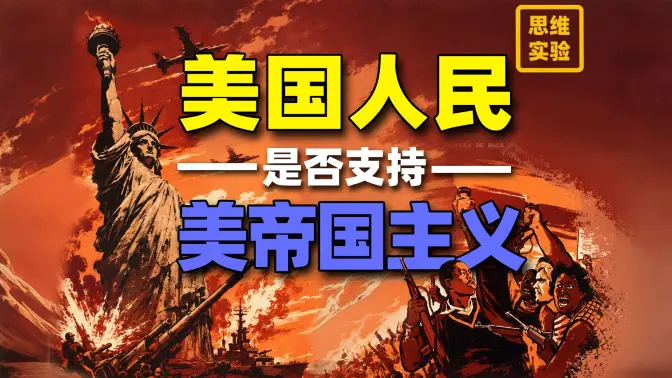
- The American publics support for war is often linked to feelings of crisis and animosity, distinguishing between the people and the concept of American imperialism
- During the Korean War, Chinese propaganda initially depicted Americans as allies from World War II but later framed American imperialism as a significant threat to both Chinese sovereignty and the American working class
- Post-liberation narratives emphasized the oppressive nature of American imperialism, shifting public perception against it
- Data from the Korean War reveals a notable level of voluntary enlistment among American soldiers, indicating stronger public support for the war than previously recognized
- The discussion of imperialism is contextualized within capitalism, highlighting historical examples of military expansion and contrasting them with modern capitalist imperialism dynamics
Read full analysis
- Acknowledge historical alliances during World War II
- Recognize the role of propaganda in shaping public perception
- Highlight disillusionment with government actions post-World War II
- Question the narrative of support for military interventions
- Public sentiment can shift based on historical context
- Complexity in understanding support for military actions exists
- Imperialism is examined through capitalism, suggesting that capitalist nations exert control over foreign markets and resources, similar to traditional imperial expansion
- Lenins five characteristics of imperialism, including capital concentration and the shift from commodity to financial capital, indicate that the U.S. aligns with this model, particularly during the Roosevelt era
- The motivations for U.S. involvement in World War II differ from those in the Korean War, with the latter revealing a more complex relationship between the American public and military actions
- Data from the Korean War shows significant voluntary enlistment among Americans, countering the narrative of public disapproval of U.S. military actions during that time
- The analysis suggests that U.S. wartime policies and propaganda were aimed at preserving capitalist interests, highlighting the close relationship between the military-industrial complex and government actions after Roos
- The comparison of volunteer soldier ratios between World War II and the Korean War highlights significant differences in military engagement, with WWII having a much larger total of 16.4 million soldiers compared to 5.7
- During WWII, 38.8% of soldiers were volunteers, whereas the Korean War saw a smaller proportion of volunteers, indicating a shift in public willingness to enlist
- The draft system during the Korean War prompted many young men to enlist voluntarily to avoid conscription into more dangerous roles, particularly in the Army, which had higher casualty rates
- U.S. troop performance in the Korean War was less organized than in WWII, with some units collapsing under pressure, contrasting with the determined resistance seen in earlier conflicts
- The motivations for enlistment and military engagement in the Korean War reflect a complex interplay of public sentiment, government propaganda, and combat realities, indicating a different societal attitude towards war
- The decline in American military performance during the Korean War is linked to diminished public support, contrasting sharply with the total mobilization experienced in World War II
- Widespread anti-war sentiment hindered the U.S. governments ability to mobilize domestic resources, affecting troop recruitment and overall military engagement
- The integration of Black soldiers into combat roles during the Korean War represented a significant shift, driven by both public opinion and the necessity for additional manpower
- The perception of the Korean War as a defense of capitalist interests, rather than a direct threat to American citizens, contributed to lower morale and combat effectiveness among U.S. troops
- Western propaganda characterized the Soviet Union as an imperialist threat, framing the Korean conflict as a struggle for freedom against oppression, despite the situations complexities
- The competitive dynamics of American society can lead to power concentration among the successful, which may hinder opportunities for newcomers and perpetuate inequality
- The evolution of the U.S. military draft during the Cold War often disadvantaged lower-income individuals while benefiting the wealthy, raising concerns about systemic oppression
- The Vietnam War highlighted a disconnect between soldiers and their mission, resulting in widespread disillusionment and a cultural backlash against the government
- Post-Vietnam, the U.S. military struggled to garner public support for large-scale conflicts, indicating a significant shift in public sentiment regarding imperialism
- The narrative of opposing Soviet imperialism was complicated by the U.S.s own imperialistic actions, creating a paradox in the perception of both superpowers
This analysis is an original interpretation prepared by Art Argentum based on the transcript of the source video. The original video content remains the property of the respective YouTube channel. Art Argentum is not responsible for the accuracy or intent of the original material.