




Toxic Beauty Standards in Medieval Europe
Medieval beauty standards emphasized pale skin, leading women to use toxic substances for cosmetic purposes.
OPEN SOURCEMedieval beauty standards emphasized pale skin, leading women to use toxic substances for cosmetic purposes.
Lead and mercury were common in makeup, causing severe health problems over time.
Women suffered from various ailments, including skin damage, hair loss, and even death due to prolonged exposure to these toxins.
The obsession with beauty created a cycle of health deterioration among women striving for societal acceptance.
Modern skincare emphasizes health and safety, contrasting sharply with the dangerous practices of the past.
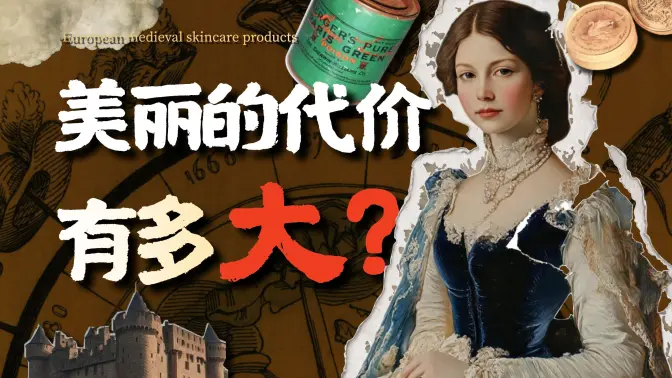
- Medieval European fashion utilized toxic substances like lead powder in makeup and harmful green dyes, posing serious health risks to women, including severe ailments and death
- Queen Elizabeth Is use of lead-based makeup to conceal smallpox scars highlights the perilous beauty standards of the era, which contributed to her declining health
- The pursuit of pale skin as a marker of nobility led women to adopt increasingly toxic cosmetics, prioritizing appearance over well-being
- Ironically, wealthier women often experienced poorer skin health due to their use of harmful beauty products, while those from lower socioeconomic backgrounds, who could not afford such items, tended to have healthier sk
- The shift in beauty standards over time reflects changing societal values, with later trends emphasizing natural beauty and health, contrasting sharply with the toxic practices of earlier periods
details
details
Read full analysis
- Highlight the extreme lengths women went to achieve beauty
- Emphasize the societal pressure to conform to toxic beauty ideals
- Condemn the use of harmful substances in cosmetics
- Point out the health risks associated with these beauty standards
- Acknowledge the historical significance of beauty standards
- Recognize the evolution of cosmetic practices over time
- Medieval cosmetics often contained toxic substances like lead and mercury, resulting in severe health issues for women, including skin damage and systemic poisoning
- Queen Elizabeth Is reliance on toxic makeup not only exemplified the dangerous beauty standards of her time but also contributed to her declining health and eventual death
- The pursuit of pale skin as a symbol of status led women to use increasingly harmful products, perpetuating a deadly cycle of beauty that was socially enforced
- The absence of regulation in cosmetics during this period allowed for the widespread use of harmful ingredients, leading to chronic health problems among women striving to meet societal beauty ideals
- The skin acts as a protective barrier, making its maintenance essential for preventing moisture loss and promoting overall health
- Natural ingredients, like the white camellia flower, offer effective hydration and skin repair without the adverse effects associated with chemical products
- Advancements in technology, such as microfluidics, enable the encapsulation of active ingredients, enhancing their effectiveness when applied to the skin
- The history of toxic beauty practices underscores the need to prioritize skin health over superficial aesthetics, reinforcing the idea that true beauty originates from within
- Modern skincare should aim to boost the skins natural moisture retention and defense against environmental stressors, rather than depending on harsh treatments
This analysis is an original interpretation prepared by Art Argentum based on the transcript of the source video. The original video content remains the property of the respective YouTube channel. Art Argentum is not responsible for the accuracy or intent of the original material.