US-Israel Relations and the Iran Conflict
Analysis of US-Israel relations and the ongoing conflict with Iran, based on 'Are the US and Israel still fighting the same war?' | The National News.
OPEN SOURCEThe U.S. and Israel's coordinated military actions against Iran have led to diverging strategies, with President Trump advocating for an exit from the conflict. Despite initial expectations, Iran's military remains operational, and its proxies continue to pose threats to Israel and regional security. The relationship between the U.S. and Israel appears more strained than ever, as Trump asserts decision-making authority, challenging Netanyahu's leadership.
Ambassador Tom Nides argues that while significant damage has been inflicted on Iranian infrastructure, the regime remains intact, and the objectives of the U.S.-Israeli strikes have not been achieved. Former Prime Minister Ehud Olmert contends that after 100 days of conflict, the goals of weakening Iran and its proxies remain unmet, questioning the effectiveness of both Trump and Netanyahu in setting the agenda.
Hezbollah continues to conduct attacks against Israeli forces, reflecting ongoing military tensions in the region. The Israeli government is implementing strategies to establish a security buffer in southern Lebanon, which involves relocating local populations northward. Iran is using the situation in Lebanon as leverage in negotiations with the United States, tying any potential agreements to the security of Lebanon against Israeli actions.
President Trump is advocating for a withdrawal from the conflict with Iran, contrasting with Netanyahu's desire to maintain an active military stance to strengthen his political position. While the U.S. has achieved some success in targeting key Iranian leaders and impacting Iran's economy, the Iranian regime remains intact and resilient. The U.S.-Israel relationship is increasingly strained, highlighted by public disagreements and a shift away from the traditional bipartisan support that has historically characterized U.S. backing for Israel.
Under Netanyahu's leadership, Israel's relationship with the Democratic Party has significantly deteriorated, increasing its reliance on the Republican Party and Donald Trump. Netanyahu's policies have distanced traditional U.S. supporters, making Israel's foreign policy heavily dependent on Trump's approval, which poses risks due to Trump's unpredictable nature. There is a belief that a new Israeli government could improve relations with the U.S., as Netanyahu's approach has led to growing divergences in interests between the two nations.
Iran is seen as influencing the current geopolitical landscape, with Trump likely favoring a withdrawal from conflict that may not align with Israeli interests, risking dissatisfaction in Israel. The reliance on U.S. support may limit Israel's strategic autonomy, raising questions about the long-term implications of such dependence.
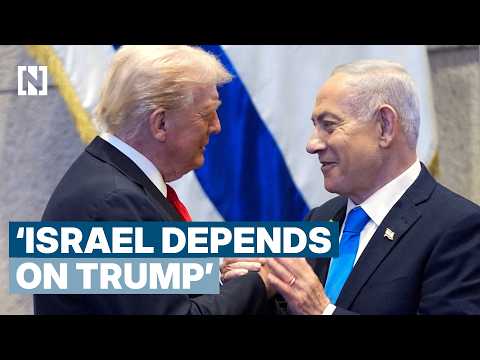
- Trump advocates for a withdrawal from the conflict with Iran, seeking to negotiate a deal
- Ambassador Nides emphasizes the need for negotiations to resolve ongoing tensions
- Netanyahu desires to maintain an active military stance against Iran and its proxies
- Former Prime Minister Olmert argues that the objectives of weakening Iran have not been achieved
- Hezbollah continues to conduct attacks against Israeli forces, reflecting ongoing military tensions
- Iran is leveraging the situation in Lebanon in negotiations with the U.S
- The coordinated military actions by the U.S. and Israel against Iran have resulted in differing strategies, with President Trump advocating for an exit from the conflict, irrespective of Israeli Prime Minister Netanyahus position
- Irans military remains operational, with its proxies, including Hezbollah and the Houthis, continuing to pose threats to Israel and maritime security in the Red Sea
- Trumps recent comments suggest a notable shift in the U.S.-Israel dynamic, as he claims decision-making authority, which challenges Netanyahus leadership and complicates their alliance
- Ambassador Tom Nides argues that while the Iranian regime endures, significant damage has been inflicted on its infrastructure, leading to suffering among the Iranian populace
- The possibility of a new agreement with Iran may echo the 2015 nuclear deal, indicating that the U.S. and Israel will need to navigate a complex diplomatic landscape to address ongoing threats
- The U.S.-Israel relationship is framed as a partnership that requires negotiation and collaboration, despite existing tensions
- Ambassador Tom Nides asserts Israels right to self-defense against ongoing threats from Iran and its proxies, including Hezbollah and the Houthis
- Nides indicates that President Trump is advocating for negotiations to resolve the conflict, potentially aiming for a deal reminiscent of the previously abandoned 2015 nuclear agreement
- Former Prime Minister Ehud Olmert contends that after 100 days of conflict, the goals of weakening Iran and its proxies remain unmet, questioning the effectiveness of both Trump and Netanyahu in setting the agenda
- The situation is complicated by the involvement of multiple countries and interests, highlighting the multi-dimensional nature of the conflict
- Hezbollah continues to conduct attacks against Israeli forces, reflecting ongoing military tensions in the region
- The Israeli government is implementing strategies to establish a security buffer in southern Lebanon, which involves relocating local populations northward
- Iran is using the situation in Lebanon as leverage in negotiations with the United States, tying any potential agreements to the security of Lebanon against Israeli actions
- Both Israel and Hezbollah have interests in sustaining a confrontational state, with Hezbollah benefiting from ongoing tensions and Israel aiming to reinforce its military presence
- Recent public disagreements between President Trump and Prime Minister Netanyahu indicate a significant divergence in their strategic interests, especially concerning military actions and negotiations with Iran
- President Trump is advocating for a withdrawal from the conflict with Iran, contrasting with Netanyahus desire to maintain an active military stance to strengthen his political position
- The initial objectives of the U.S.-Israeli strikes on Iran, such as regime change and nuclear disarmament, have not been realized, leaving the situation largely unchanged
- While the U.S. has achieved some success in targeting key Iranian leaders and impacting Irans economy, the Iranian regime remains intact and resilient
- The U.S.-Israel relationship is increasingly strained, highlighted by public disagreements and a shift away from the traditional bipartisan support that has historically characterized U.S. backing for Israel
- Netanyahus previous actions, including undermining former President Obamas policies, have significantly affected Israeli-American relations and complicated future cooperation
- Under Netanyahus leadership, Israels relationship with the Democratic Party has significantly deteriorated, increasing its reliance on the Republican Party and Donald Trump
- Netanyahus policies have distanced traditional U.S. supporters, making Israels foreign policy heavily dependent on Trumps approval, which poses risks due to Trumps unpredictable nature
- While the Biden administration has expressed strong support for Israel, Netanyahus actions have complicated this relationship, potentially hindering future cooperation
- There is a belief that a new Israeli government could improve relations with the U.S, as Netanyahus approach has led to growing divergences in interests between the two nations
- Iran is seen as influencing the current geopolitical landscape, with Trump likely favoring a withdrawal from conflict that may not align with Israeli interests, risking dissatisfaction in Israel
- The US-Israel relationship is experiencing a shift, with President Trump asserting that Prime Minister Netanyahu must align with US directives, indicating a significant power dynamic favoring the US
- Netanyahu faces challenges in publicly opposing Trump on security issues, underscoring Israels reliance on US support despite potential disagreements
- Iran continues to influence the regional landscape, maintaining military operations and utilizing proxies, which complicates the strategic goals of both the US and Israel
- There are concerns that any potential agreement with Iran may prioritize Iranian interests, potentially leaving Israel feeling insecure as the US moves towards a deal
The assumption that Trump's push for an exit deal will align with Israeli interests overlooks the complexities of regional geopolitics. Inference: The ongoing operational status of Iran's military and proxies suggests that any perceived U.S. withdrawal could embolden these forces, complicating the security landscape further. Missing variables include the potential reactions from Iran and its allies, which could destabilize the region even more.
This analysis is an original interpretation prepared by Art Argentum based on the transcript of the source video. The original video content remains the property of the respective YouTube channel. Art Argentum is not responsible for the accuracy or intent of the original material.