U.S.-Iran Negotiations and Regional Tensions
Analysis of U.S.-Iran negotiations and regional tensions, based on "Trump holds a meeting in the operations room to make a final decision regarding Iran.. these details" | Sky News Arabia.
OPEN SOURCENegotiations between the U.S. and Iran are currently characterized by a precarious balance of brinkmanship, with both nations engaging in strategic posturing. President Trump is expected to finalize a decision regarding the potential lifting of sanctions and reopening the Strait of Hormuz, which could lead to significant military and political ramifications.
Experts indicate that a temporary truce lasting 60 days may be on the table, contingent on the U.S. lifting sanctions in exchange for Iran allowing passage through the Strait. However, the persistent lack of trust and ongoing regional tensions complicate these discussions, rendering any potential agreement fragile and vulnerable to collapse.
The nuclear issue remains a significant point of contention, with future agreements likely requiring new negotiations focused on Iran's nuclear capabilities. Analysts warn that without robust verification mechanisms, compliance with any agreement is unlikely, raising the risk of renewed conflict.
Iran's leadership continues to promote anti-American rhetoric, contributing to regional instability and complicating diplomatic efforts. The current geopolitical situation signals a new phase of brinkmanship, with both sides possibly gearing up for further military actions while still pursuing diplomatic avenues.
The implications of Trump's statements suggest a complex negotiation environment, where both nations are maneuvering for leverage. The potential release of frozen Iranian assets and the lifting of sanctions could significantly impact regional dynamics and the Iranian economy.
Despite the possibility of an agreement, deep-seated distrust between the U.S. and Iran complicates the path to a sustainable resolution. Any agreement reached may encounter implementation challenges, particularly regarding the conditions for lifting sanctions and reopening the Strait.
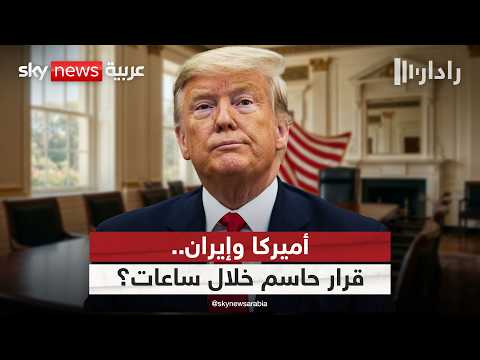
- Proposes lifting sanctions in exchange for Iran reopening the Strait of Hormuz
- Emphasizes the need for a temporary truce to stabilize regional tensions
- Conditions any agreement on the cessation of U.S. demands and military threats
- Maintains a readiness for conflict if negotiations do not yield favorable outcomes
- Both sides are engaged in brinkmanship, complicating the negotiation landscape
- President Trump is anticipated to soon finalize his decision on the agreement with Iran, focusing on the potential lifting of maritime sanctions and reopening the Strait of Hormuz
- Iran is conditioning any agreement on the cessation of what it views as excessive U.S. demands, raising doubts about the possibility of a significant deal that could reduce regional tensions
- Experts warn that the persistent lack of trust and ongoing regional tensions render any agreement fragile and at risk of failure, even with the prospect of temporary ceasefires
- Intermediaries such as Pakistan and Qatar are reportedly working to reconcile differences between U.S. and Iranian positions, as both sides engage in a strategic exchange of proposals
- A key issue in the negotiations for Iran is the access to over $10 billion in frozen funds, which remains a critical point of contention
- The U.S. and Iran are currently managing a tense situation, with both sides engaging in brinkmanship, as reflected in Trumps recent comments about lifting sanctions and reopening the Strait of Hormuz
- Analysts propose a possible 60-day temporary truce, where the U.S. would lift sanctions in exchange for Iran allowing passage through the Strait, while nuclear negotiations would be postponed
- The persistent lack of trust and ongoing regional tensions render any potential agreement fragile and vulnerable to failure, complicating the U.S.-Iran relationship
- The nuclear issue remains a significant point of contention, with future agreements likely requiring new negotiations focused on Irans nuclear capabilities and enrichment processes
- Trumps strategy may be influenced by domestic political pressures, as he seeks to present a narrative of progress in negotiations while retaining the option for military engagement if needed
- The ongoing crisis between the U.S. and Iran is marked by a delicate balance of power, with both nations engaging in strategic posturing and considering military options
- Trumps potential move to lift sanctions and reopen the Strait of Hormuz could lead to significant military and political consequences, hinting at a possible temporary truce in exchange for concessions
- Analysts suggest a feasible 60-day ceasefire, contingent on lifting sanctions while postponing nuclear negotiations, although the lack of trust remains a critical barrier
- The discussion reveals uncertainty regarding military options, as both sides prepare for possible escalation while also seeking diplomatic solutions
- Frustration within Trumps administration over the current situation, including feelings of being misled by allies and facing domestic pressures, complicates decision-making related to Iran
- Negotiations between the U.S. and Iran are marked by a precarious balance, with both nations engaging in brinkmanship, particularly regarding the implications of Trumps statements on lifting sanctions and reopening the Strait of Hormuz
- Analysts propose a potential 60-day ceasefire, contingent on lifting the blockade in exchange for access to the Strait, while deferring nuclear discussions to later negotiations
- The lack of trust and ongoing regional tensions contribute to the fragility of any agreements, making them susceptible to collapse
- Trumps recent remarks suggest a readiness to consider military options if Iran does not comply, while emphasizing that no frozen Iranian funds will be released until Iran agrees to halt its nuclear ambitions
- Internal pressures within both the U.S. and Iran complicate the strategic landscape, as leaders face significant domestic challenges that influence their decision-making processes
- Trumps recent comments indicate a potential shift in U.S. policy towards Iran, suggesting an easing of the maritime blockade, which he described as unprecedented
- Discussions are underway for a temporary 60-day truce, where the U.S. would lift sanctions in exchange for Iran reopening the Strait of Hormuz, while deferring nuclear negotiations
- Experts warn that the ongoing lack of trust and regional tensions render any potential agreement fragile and at risk of collapse
- Iranian officials assert that concessions will not be achieved solely through negotiations, highlighting a readiness for conflict if necessary, reflecting the regimes broader ideological stance
- The strategic implications of these developments suggest both nations are maneuvering for leverage, with the U.S. potentially using diplomatic gestures as a tactical tool against Iran
- The U.S.-Iran crisis continues to involve high-stakes brinkmanship, with both nations strategically maneuvering for advantage
- Trumps remarks about potentially lifting sanctions and reopening the Strait of Hormuz suggest significant military and political ramifications, indicating a possible shift in U.S. policy
- Analysts suggest a temporary 60-day ceasefire could be established, where sanctions would be lifted in exchange for Iran reopening the Strait, while nuclear discussions would be postponed
- The ongoing lack of trust and heightened regional tensions make any potential agreements fragile and prone to failure
- Irans control over the Strait of Hormuz is seen as a critical financial asset, potentially generating substantial annual revenue, complicating the negotiation landscape
- Both Washington and Tehran are navigating the crisis through a strategy of brinkmanship, highlighting the delicate nature of their negotiations
- Trumps comments regarding the potential lifting of sanctions and reopening the Strait of Hormuz indicate significant military and political consequences, suggesting a complex negotiation environment
- Analysts suggest a possible 60-day temporary truce, where sanctions could be lifted in exchange for access to the Strait, while discussions on nuclear issues would be postponed
- The persistent lack of trust and escalating regional tensions render any agreements fragile and vulnerable to breakdown
- The current geopolitical situation signals a new phase of brinkmanship, with both sides possibly gearing up for further military actions while still pursuing diplomatic avenues
- The ongoing tensions between Washington and Tehran involve a precarious balance, with both sides engaging in brinkmanship that risks military escalation
- Trumps recent statements about lifting sanctions and reopening the Strait of Hormuz suggest significant military and political implications, potentially paving the way for a temporary truce lasting 60 days
- The persistent lack of trust and escalating regional tensions complicate any potential agreements, rendering them fragile and prone to collapse
- Irans leadership continues to promote anti-American and anti-Israeli rhetoric, contributing to regional instability and conflict
- Current dynamics indicate that Iran is using time to bolster its military position while pursuing diplomatic strategies, which may lead to further confrontations
- Iran plans to reopen the Strait of Hormuz following the lifting of U.S. sanctions, based on previously established agreements
- Discussions in Washington involving Trump and key security advisors may lead to important diplomatic changes
- Current documents do not include provisions for dismantling Irans nuclear materials, indicating a possible shift in the U.S. narrative
- The potential release of $12 billion in frozen Iranian assets is being considered, which could impact negotiations and regional dynamics
- Despite the possibility of an agreement, deep-seated distrust between the U.S. and Iran complicates the path to a sustainable resolution
- Any agreement reached may encounter implementation challenges, particularly regarding the conditions for lifting sanctions and reopening the Strait
- Trumps remarks about lifting sanctions could provide a significant boost to the Iranian economy, suggesting Iran may be inclined to negotiate
- A potential temporary truce lasting 60 days is being discussed, which would involve lifting the blockade in exchange for reopening the Strait of Hormuz, while nuclear negotiations would be postponed
- Experts warn that the prevailing lack of trust and ongoing regional tensions render any agreement fragile and at risk of failure
- The implications of Trumps statements may encompass both military and political aspects, highlighting the complexity of U.S.-Iran relations
details
The negotiations hinge on the assumption that both parties can overcome deep-seated mistrust, yet the absence of a clear framework for verification raises questions about compliance. Inference: The fragile nature of any potential agreement suggests that without robust mechanisms to ensure accountability, the likelihood of a lasting resolution diminishes significantly.
This analysis is an original interpretation prepared by Art Argentum based on the transcript of the source video. The original video content remains the property of the respective YouTube channel. Art Argentum is not responsible for the accuracy or intent of the original material.