Russian Drone Incident in Romania: Implications for Regional Security
Analysis of the Russian drone incident in Romania, based on "Many questions about the incident with the Russian drone in Romania" | NaftemporikiGR.
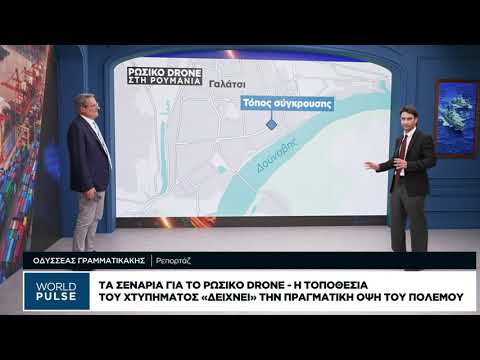
OPEN SOURCEA Russian drone incident in Romania has raised significant concerns due to its proximity to civilian areas and implications for regional security. The drone reportedly struck near Galati, close to the Ukrainian border, underscoring ongoing tensions and the potential for escalation in the Russia-Ukraine conflict.
As a NATO member, Romania's response to such incidents is under scrutiny, particularly regarding collective defense obligations outlined in Article 5 of the NATO treaty. Russian officials have reacted by claiming that Western narratives are exaggerating the situation, while suggesting that the drones targeting aimed to disrupt Ukrainian supply routes.
Ukraine is ready to assist in intercepting Russian drones operating over Romania and Latvia, reflecting heightened regional security concerns. The presence of Russian drones in Romanian airspace raises significant political and military implications, exposing vulnerabilities in NATO's eastern defenses.
Drone incidents in Europe are on the rise, with projections indicating over 1,000 reported by 2025-2026, signaling an escalation in drone warfare tactics. Identifying the origin of drones complicates the situation, as many unidentified drones may serve various purposes, including potential espionage.
The historical context of the Ukrainian nationalist group OUN and its controversial legacy during World War II is also relevant. The emphasizes the Polish government's acknowledgment of the OUN's involvement in historical atrocities, advocating for an honest confrontation of this history.
Current geopolitical tensions in Europe are highlighted, particularly regarding Ukraine's military actions and the historical narratives that influence these dynamics. The cautions against misinformation regarding military actions in the region, underscoring the need for clarity in understanding the conflict.
- Highlights vulnerabilities in NATOs eastern defenses due to the drone incident
- Emphasizes the need for a unified response to Russian aggression
- Claims that Western narratives are exaggerating the situation
- Identifies the rising trend of drone incidents in Europe
- Notes the complexities surrounding the origins and purposes of unidentified drones
- A Russian drone incident in Romania has raised significant concerns due to its proximity to civilian areas and implications for regional security
- The drone reportedly struck near Galati, close to the Ukrainian border, underscoring ongoing tensions and the potential for escalation in the Russia-Ukraine conflict
- As a NATO member, Romanias response to such incidents is under scrutiny, particularly regarding collective defense obligations outlined in Article 5 of the NATO treaty
- Russian officials have reacted by claiming that Western narratives are exaggerating the situation, while suggesting that the drones targeting aimed to disrupt Ukrainian supply routes
- The Danube River, a vital commercial corridor for Ukraine, has been highlighted as a strategic point, with concerns that further military actions could impact trade routes to Western Europe
- Ukraine is ready to assist in intercepting Russian drones operating over Romania and Latvia, reflecting heightened regional security concerns
- The presence of Russian drones in Romanian airspace raises significant political and military implications, exposing vulnerabilities in NATOs eastern defenses
- Drone incidents in Europe are on the rise, with projections indicating over 1,000 reported by 2025-2026, signaling an escalation in drone warfare tactics
- Identifying the origin of drones complicates the situation, as many unidentified drones may serve various purposes, including potential espionage
- Ukraines military capabilities are being challenged by Russian drone activity, which could influence diplomatic relations and military strategies in the region
- The historical context of the Ukrainian nationalist group OUN and its controversial legacy during World War II
- The speaker emphasizes the Polish governments acknowledgment of the OUNs involvement in historical atrocities, advocating for an honest confrontation of this history
- Reference is made to the Katyn massacre, clarifying that thousands of Polish officers were executed by Soviet forces, countering the common misconception that the Nazis were responsible
- Current geopolitical tensions in Europe are highlighted, particularly regarding Ukraines military actions and the historical narratives that influence these dynamics
- The speaker cautions against misinformation regarding military actions in the region, underscoring the need for clarity in understanding the conflict
The incident underscores the complexities of NATO's response mechanisms, particularly regarding Article 5 obligations. Inference: The implications of this incident could test Romania's military readiness and diplomatic strategies, revealing potential gaps in collective defense assumptions.
This analysis is an original interpretation prepared by Art Argentum based on the transcript of the source video. The original video content remains the property of the respective YouTube channel. Art Argentum is not responsible for the accuracy or intent of the original material.