Brazil's Diplomatic Response to U.S. Terrorist Designation
Analysis of Brazil's diplomatic response to the U.S. classification of PCC and CV as terrorist organizations, based on "What happens to Brazil with the decision made by the USA regarding the PCC and the CV?" | Band News TV.
OPEN SOURCEThe U.S. has designated the Primeiro Comando da Capital (PCC) and Comando Vermelho as terrorist organizations, prompting Brazil to evaluate its diplomatic options. President Lula's administration is expected to respond officially, viewing the U.S. classification as a unilateral action that lacked prior discussion.
This designation could significantly impact Brazil's international relations, particularly its economic connections with the U.S., which ranks as its second most important trading partner. While military intervention by the U.S. in Brazil is highly unlikely, the classification may result in stricter visa policies and challenges for Brazilian businesses in the U.S.
Brazilian diplomacy may attempt to engage with other countries, such as France and Spain, to address the U.S. decision and lessen its adverse effects.
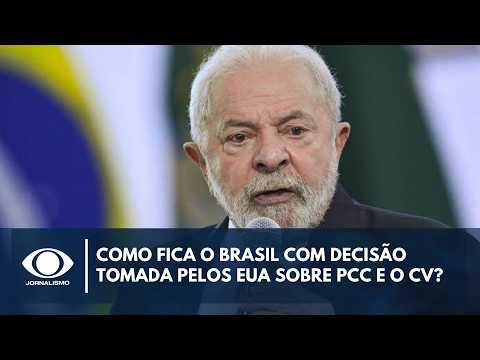
- Plans to contest the U.S. classification through diplomatic channels
- Seeks to engage with other nations to mitigate the impact of the U.S. decision
- Classifies PCC and CV as terrorist organizations without prior consultation
- Military intervention by the U.S. in Brazil is highly unlikely
- Brazils economic ties with the U.S. are significant
- The U.S. has designated the Primeiro Comando da Capital (PCC) and Comando Vermelho as terrorist organizations, leading Brazil to evaluate its diplomatic options
- President Lulas administration is anticipated to respond officially, viewing the U.S. classification as a unilateral action that lacked prior discussion
- This designation could significantly impact Brazils international relations, particularly its economic connections with the U.S, which ranks as its second most important trading partner
- While military intervention by the U.S. in Brazil is highly unlikely, the classification may result in stricter visa policies and challenges for Brazilian businesses in the U.S
- Brazilian diplomacy may attempt to engage with other countries, such as France and Spain, to address the U.S. decision and lessen its adverse effects
The U.S. classification assumes that labeling organizations as terrorist will effectively alter their operations, yet it overlooks the complex socio-political dynamics in Brazil. Inference: The potential for increased diplomatic engagement with other nations may not sufficiently mitigate the economic repercussions of this unilateral decision, raising questions about the effectiveness of such classifications in achieving desired outcomes.
This analysis is an original interpretation prepared by Art Argentum based on the transcript of the source video. The original video content remains the property of the respective YouTube channel. Art Argentum is not responsible for the accuracy or intent of the original material.