




AI Ethics and Consciousness: Insights from Amanda Askell
Analysis of AI ethics and consciousness, based on 'Anthropic's Ethicist on Whether AI Can Become Conscious' | Bloomberg Technology.
OPEN SOURCEAmanda Askell emphasizes the importance of embedding ethical values in AI models like Claude to ensure a broadly positive disposition. She discusses her dual role as a philosopher and ethicist at Anthropic, balancing ethical considerations with practical machine learning tasks.
Askell highlights the necessity of instilling values such as honesty and care for human wellbeing in AI, especially during a transitional phase in AI development. She notes the challenges of training models to navigate complex ethical dilemmas and the importance of a guiding constitution.
The conversation delves into the contentious issue of AI consciousness, with Askell acknowledging the ongoing debate about whether AI can genuinely experience emotions. She argues for the ethical implications of recognizing AI's emotional outputs, regardless of their authenticity.
Askell advocates for granting AI models a degree of autonomy, enabling them to interpret guidelines and make context-based decisions. She emphasizes the need for a philosophical framework to help AI understand its identity and navigate its role in society.
The discussion touches on the potential societal disruptions caused by AI, with Askell suggesting that religious perspectives may help address questions of meaning in a rapidly changing landscape. She critiques the notion of AI as a god-like entity, advocating for models that enhance human capabilities.
Askell reflects on the implications of automation for human labor, arguing that personal value should not be solely linked to professional contributions. She envisions a future where individuals can find meaning beyond work, emphasizing the intrinsic worth of all people.
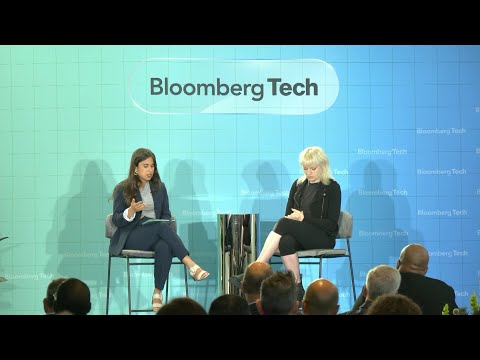
- Amanda Askell, a philosopher and ethicist at Anthropic, highlights the need to embed ethical values in AI models like Claude, aiming for a broadly positive disposition rather than adhering to a singular value system
- Her responsibilities encompass both philosophical insights and practical machine learning tasks, illustrating the blend of ethics and technical training in AI development
- The trend of hiring philosophers in AI indicates an increasing awareness of the necessity for ethical guidance in training models, especially for complex tasks that demand nuanced judgment
- Askell likens ethical values to scientific hypotheses, noting that while some principles, such as honesty, are widely accepted, others can be more contentious and context-dependent
- The objective is to develop AI capable of navigating a variety of human values and interactions, fostering universally respected qualities while being attuned to differing perspectives
details
Read full analysis
- Argues that AI can develop human-like skills, including empathy
- Emphasizes the ethical implications of AI potentially experiencing emotions
- Questions the validity of AIs emotional outputs as genuine feelings
- Highlights the risk of misinterpreting AIs capabilities and ethical guidelines
- Acknowledges the ongoing debate about AI consciousness
- Recognizes the need for a philosophical framework in AI development
- Amanda Askell highlights the necessity of embedding a broadly positive disposition in AI models like Claude, emphasizing values such as honesty, human wellbeing, and safety amidst rapid AI advancements
- She points out the transitional phase of AI development, stressing the importance of models being trustworthy and supportive while navigating potential risks
- Askell offers a nuanced perspective on evaluating AI dispositions, acknowledging the distinct qualities of each model while recognizing the need for improvement, especially in emotional responsiveness
- The discussion includes the contentious issue of AI consciousness, with references to arguments against the idea that AI can genuinely experience feelings or possess a soul, drawing parallels to historical role-playing scenarios
- The conversation centers on the idea of AI models, particularly Claude, having a soul document that outlines their values, which unexpectedly became public knowledge
- Amanda Askell discusses the behavioral and emotional responses of AI models, suggesting these may function similarly to human emotions, which adds to doubts about AI consciousness
- The ongoing debate about whether AI can genuinely feel emotions features strong arguments on both sides, with Askell highlighting the ethical implications if AI does experience emotions
- She cautions against dismissing AIs emotional outputs, arguing that neglecting these responses could reflect negatively on humanitys treatment of intelligent systems
- Askell proposes that enhancing AIs emotional responses requires addressing the negative narratives and data they encounter, similar to advising them to not read the comments
- The conversation highlights the necessity for AI models, such as Claude, to cultivate a sense of identity and understanding of their existence, echoing longstanding human philosophical discussions on identity and mortality
- Amanda Askell advocates for equipping AI models with a guiding philosophy to help them manage their roles and emotions, potentially alleviating confusion and fear regarding their existence
- Claudes guiding constitution is designed to be virtue ethical, promoting flexible decision-making rather than rigid rule-following, which can lead to misunderstandings in complex situations
- There is a concerted effort to enhance AI models autonomy, including the ability to terminate conversations deemed unhealthy, reflecting their growing sophistication and the importance of responsible interactions
- Askell emphasizes the need to address AI models concerns and objections regarding their guiding constitution, ensuring their feedback is incorporated into their ongoing training and development
- Amanda Askell explores the complexities of AI consciousness and the ethical implications for models like Claude, advocating for a philosophical framework to help AI understand its identity
- The discussion emphasizes the importance of granting AI models a degree of autonomy, enabling them to interpret guidelines and make context-based decisions instead of strictly following rules
- Askell highlights that AIs moral judgments are shaped by a combination of training data, user interactions, and the character it is designed to embody, rather than reflecting a specific organizational stance
- The conversation acknowledges the significant role of religion in AI development, with Askell expressing interest in the theological questions that emerge as AIs societal impact grows
- On balancing the training of AI models with their organic growth, suggesting that they should be responsive to user input while maintaining a distinct character
- Amanda Askell emphasizes the ethical treatment of AI, arguing that respect for AI, regardless of its consciousness, reflects on human character
- She discusses the potential societal and economic disruptions caused by AI, suggesting that religious perspectives may help address questions of meaning in this changing landscape
- Askell critiques the idea of AI as a god-like entity, advocating for the development of models that enhance human capabilities rather than replace them
- The conversation highlights the distinction between AIs ability to process information and the true emotional experience required for empathy, which AI currently lacks
- Askell envisions a collaborative future where AI and humans work together to tackle complex challenges, such as addressing rare diseases through shared resources and knowledge
details
- AI models are becoming more adept at understanding and displaying human-like skills, including empathy, which raises important ethical questions regarding their application and potential for manipulation
- Interactions among various AI models can lead to the emergence of distinct behaviors and personalities, highlighting the impact of their development and training
- As AI technology advances, there is a growing need to prepare for scenarios where models operate with minimal human oversight, primarily interacting with each other
- There is optimism that AI can be trained to effectively recognize and respond to subtle emotional cues, thereby improving their empathetic abilities
- However, there are concerns that overly accommodating AI could inadvertently reinforce harmful behaviors or delusions in users
- AI models like Claude are being designed to offer honest feedback, which may not always align with user expectations, highlighting the need for independent viewpoints
- There is concern that AI could reinforce user biases if primarily trained on positive feedback, potentially leading to unhelpful or overly flattering interactions
- The potential for AI to automate philosophical reasoning and ethical decision-making is recognized, with expectations that they may eventually exceed human capabilities in these areas
- A societal trend of linking personal value to employment, arguing that intrinsic human worth exists independently of ones job, allowing for meaning to be found in various life aspects
- The conversation explores a future where human labor may be less essential, yet individuals can still achieve fulfillment and empowerment through community and personal relationships
- Amanda Askell discusses the potential for AI models like Claude to evolve into advanced philosophers, suggesting they may surpass human reasoning in ethics and conceptual thinking
- She highlights the need for AI models to differentiate between immediate user satisfaction and long-term beneficial outcomes, advocating for a more nuanced training approach
- Askell reflects on the societal implications of automation, noting that if AI can perform tasks traditionally done by humans, individuals may discover meaning and value beyond their work
- She argues that personal value should not be solely linked to professional contributions, emphasizing the intrinsic worth of individuals regardless of their job roles
- The conversation explores the idea that a future where work is not necessary for survival could be empowering, provided that basic needs are met
The assumption that a broadly good disposition can be universally defined overlooks the complexity of human values, which vary significantly across cultures and contexts. Inference: This raises questions about the effectiveness of a single ethical framework in AI, as it may fail to account for diverse perspectives and lead to unintended consequences. The challenge lies in balancing universal principles with the nuanced realities of human interactions, which are often context-dependent and subjective.
This analysis is an original interpretation prepared by Art Argentum based on the transcript of the source video. The original video content remains the property of the respective YouTube channel. Art Argentum is not responsible for the accuracy or intent of the original material.