




Economic Risks in South Korea
South Korea's economy is currently under pressure from high levels of debt and reliance on foreign investment, particularly in the semiconductor sector.
OPEN SOURCESouth Korea's economy is currently under pressure from high levels of debt and reliance on foreign investment, particularly in the semiconductor sector.
Historical parallels to the 1997 financial crisis raise concerns about the sustainability of current economic practices.
Investor behavior, characterized by high leverage, poses additional risks to market stability.
The potential for a significant market downturn exists if these vulnerabilities are not addressed.
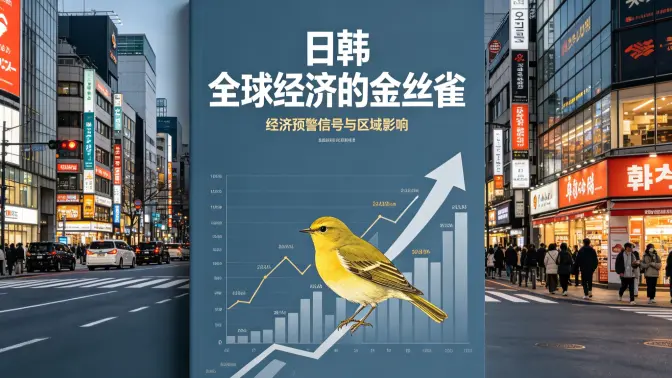
- South Korea is facing substantial capital outflows, totaling $461 billion, which raises fears of a crisis similar to the 1997 Asian financial turmoil
- The economys dependence on the semiconductor sector has grown, with this industry representing 41% of exports by mid-2026, up from 16-17% in 1996, highlighting increased economic vulnerability
- High levels of leverage among South Korean investors are problematic, as many are left with depreciated assets, intensifying financial losses and contributing to market instability
- The current economic situation draws parallels to the pre-crisis environment of 1996, emphasizing the dangers of excessive foreign capital inflows and escalating debt levels
- While South Korea maintains some foreign reserves, the rising external debt of its companies could create significant challenges if repayment becomes necessary
Read full analysis
- Highlight high levels of debt among South Korean companies
- Emphasize reliance on foreign investment, particularly in semiconductors
- Point out that South Korea has more foreign reserves than in the past
- Argue that current economic conditions are not as dire as in 1997
- Acknowledge the presence of high leverage in the market
- Recognize the impact of global economic conditions on South Korea
- In 1996, the semiconductor industry constituted 16-17% of South Koreas GDP, but projections indicate this will rise to 41% by 2026, highlighting increased economic vulnerability
- Current economic conditions in South Korea resemble those before the 1997 Asian financial crisis, characterized by high foreign debt and reliance on foreign capital, which could lead to severe consequences if market cond
- The South Korean government has permitted high leverage in the stock market, with significant retail investor participation, raising concerns about a potential financial crisis similar to that of 1997, when many companie
- While South Korea has some foreign reserves, the growing external debt of companies and individuals accustomed to high leverage poses a risk of exacerbated losses during economic downturns
- The rise of leveraged ETFs focused on major companies like Samsung has spurred increased retail investment, but this could lead to substantial market volatility if investors encounter margin calls
details
details
details
details
- South Koreas financial situation is precarious, heavily reliant on short-term debt and lacking sufficient domestic capital to stabilize the market during downturns
- High levels of leveraged trading and the introduction of riskier ETFs raise concerns about a potential market crash, particularly among ordinary investors
- The shift of capital and industry from Japan to South Korea, influenced by U.S. interests, has diminished South Koreas economic sovereignty compared to Japan
- Financial institutions, including Goldman Sachs, have issued warnings about the risks in South Koreas market, suggesting potential for significant investor losses
- The alarming scale of off-market financing in South Korea, reaching 60 trillion, poses a risk of severe market volatility if not properly managed
details
This analysis is an original interpretation prepared by Art Argentum based on the transcript of the source video. The original video content remains the property of the respective YouTube channel. Art Argentum is not responsible for the accuracy or intent of the original material.