




North Korea's Naval Modernization and Strategic Implications
Analysis of North Korea's naval modernization efforts, based on 'North Korea's Weird New Navy - New Destroyers & A North Korean Blue Water Navy?' | Perun.
OPEN SOURCENorth Korea is modernizing its naval forces with advanced destroyers and aims to produce two large surface combatants annually, including a new 10,000-ton design. The country's military modernization is supported by financial and technical assistance from Russia amid geopolitical changes.
Kim Jong-un has recognized the North Korean Navy's long-standing weaknesses, noting it is the least developed branch of the military with far fewer personnel compared to the army. Traditionally, the North Korean Navy has relied on a coastal fleet of small patrol and torpedo boats, many of which are outdated, limiting their effectiveness against contemporary naval threats.
The North Korean Navy is undergoing modernization, introducing two Amnok-class corvettes that, while lacking advanced systems, feature improved sensors and cruise missile capabilities. Recent investments indicate a strategic shift, with North Korea planning to develop larger surface combatants, including a new class of destroyers, to bolster its military presence.
North Korea aims to construct at least two large surface combatants each year for the next five years, indicating a significant expansion of its naval capabilities under Kim Jong-un. Despite having a much smaller GDP than the United States, North Korea's ambition to produce two destroyers annually is a considerable challenge.
The new destroyers emphasize missile capacity, reportedly carrying over 100 missiles, prioritizing firepower over endurance and advanced sensor technology. The design of these vessels reflects a reliance on Soviet-era philosophies, focusing on heavy armament rather than modern technological integration.
North Korea's naval strategy seems misaligned with its military objectives, as large destroyers may not effectively serve nuclear deterrence or power projection needs. The operational effectiveness of these new naval platforms may be limited by the advanced capabilities of South Korea and the U.S.
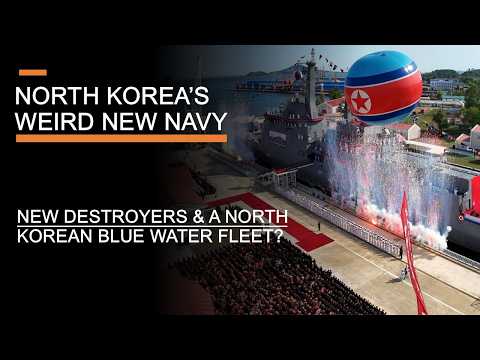
- North Korea is modernizing its naval forces with new destroyers that are significantly more advanced than its outdated fleet from the 1960s
- The country aims to produce two large surface combatants each year, including a new 10,000-ton design, despite economic constraints that raise questions about the viability of these plans
- Geopolitical changes, particularly the war in Ukraine, have enabled North Korea to obtain billions in hard currency and military support from Russia, aiding its military modernization
- Historically underfunded and poorly equipped, the North Korean Navy, or Korean Peoples Army Navy (K-PAN), is now shifting towards enhancing its naval capabilities
- The acquisition of foreign military technology and resources may help North Korea address some limitations in its defense industry, potentially speeding up its naval advancements
details
Read full analysis
- Aims to modernize its naval forces with advanced destroyers and larger surface combatants
- Plans to produce two large surface combatants annually, indicating a significant military ambition
- Faces significant economic constraints and technological limitations in achieving modernization goals
- Kim Jong-un has acknowledged the weaknesses of the North Korean Navy
- Recent investments indicate a strategic shift towards enhancing naval capabilities
- Kim Jong-un has recognized the North Korean Navys long-standing weaknesses, noting it is the least developed branch of the military with far fewer personnel compared to the army
- Traditionally, the North Korean Navy has relied on a coastal fleet of small patrol and torpedo boats, many of which are outdated, limiting their effectiveness against contemporary naval threats
- The submarine fleet, although numerous, is based on old Soviet designs, highlighting the Navys challenges in modernization and its capabilities for blue-water operations
- Recent investments indicate a strategic shift, with North Korea planning to develop larger surface combatants, including a new class of destroyers, to bolster its military presence
- The transformation of the North Korean Navy is part of a broader military modernization initiative, driven by foreign support and a goal to enhance power projection despite economic challenges
details
details
details
details
- The Korean Peoples Army Air Force is currently the most outdated branch of North Koreas military, primarily using older fourth-generation Russian fighters, with future acquisitions uncertain
- North Koreas navy is undergoing modernization, introducing two Amnok-class corvettes that, while lacking advanced systems, feature improved sensors and cruise missile capabilities
- The country is developing at least two ballistic missile submarines, including one named Hero Kim Gorkh, which holds historical significance despite inconsistencies in its reported achievements
- North Korea aims to establish a blue water navy, planning modern destroyers that are larger and more advanced than previous vessels, indicating a shift from a coastal defense focus
- The construction of new destroyers has encountered difficulties, such as a mishap during the launch of hull 52, which tipped over but was later refloated, reflecting the challenges in advancing naval capabilities
- North Korea plans to construct at least two large surface combatants each year for the next five years, indicating a significant expansion of its naval capabilities under Kim Jong-un
- Despite having a much smaller GDP than the United States, North Koreas ambition to produce two destroyers annually is a considerable challenge, especially compared to the U.S. Navys output of approximately two Arleigh Burke-class destroyers per year
- Kim Jong-un has announced intentions to develop larger vessels, including a strategic 10,000-ton ship, which would enhance North Koreas blue water navy aspirations
- The Choe Hyon (Hull 51) has been officially commissioned, featuring modern guided missile destroyer characteristics, including a vertical launch system (VLS) with 88 cells for various missile types
- North Koreas naval exercises have included extensive missile launches, demonstrating a commitment to showcasing military capabilities despite limited resources, which allows for such military expenditures
- North Koreas new destroyers, including the Choe Hyon and Kang Kon, emphasize missile capacity, reportedly carrying over 100 missiles, prioritizing firepower over endurance and advanced sensor technology
- The destroyers are equipped with a robust defensive suite featuring multiple close-in weapon systems and heavy machine guns, alongside some unconventional design elements reminiscent of historical naval practices
- Despite aspirations for a blue water navy and larger vessels, North Koreas current designs reflect a reliance on Soviet-era philosophies, focusing on heavy armament rather than modern technological integration
- The naval strategy of North Korea appears to prioritize anti-ship and land-attack capabilities, potentially compromising survivability and operational effectiveness compared to contemporary naval forces
details
- North Koreas new destroyers feature unconventional weapon mounting methods, including heavy machine guns that raise safety and ergonomic concerns
- Interior designs of the destroyers resemble civilian vessels more than traditional military ships, challenging established naval architecture norms
- The rapid construction of these ships suggests North Korea may be using civilian shipbuilding standards, potentially affecting their operational effectiveness and survivability
- Comparisons with Western naval designs indicate that North Korea prioritizes heavy armament over practical military design, which may compromise maintenance and damage control
- Unusual features, such as gun ports integrated into the ships superstructure, reflect a unique design philosophy that diverges from conventional naval practices
- North Korea aims to build guided missile destroyers, potentially utilizing civilian shipbuilding methods to cut costs and speed up construction
- The DPRK may be employing dual-use components and civilian facilities, akin to the French Mistral class, to produce cost-effective military vessels
- Recent updates to the destroyers reveal ongoing design changes, particularly in weapon systems and electronic warfare capabilities, indicating a lack of finalized specifications
- The strategic purpose of these destroyers is uncertain, especially as North Korea has prioritized ballistic missile submarines for nuclear deterrence, which are less detectable than surface vessels
- Proposed roles for the destroyers, such as nuclear delivery platforms, raise concerns about their operational effectiveness compared to submarines, which provide enhanced stealth and survivability
details
- North Koreas investment in developing a naval capability, including guided missile destroyers, adds to doubts about the strategic rationale given its existing land-based missile systems
- The effectiveness of nuclear-tipped cruise missiles launched from destroyers is considered inferior to that of ballistic missile submarines, which provide greater range and stealth
- North Koreas road-mobile intercontinental ballistic missiles (ICBMs) are viewed as a more cost-effective and reliable means of nuclear deterrence compared to new naval platforms
- The operational effectiveness of North Korean destroyers may be limited by the advanced naval and air capabilities of South Korea and the U.S, posing significant survival challenges in conflict scenarios
- While the development of naval forces could enhance North Koreas air defense systems, the regions oppressive air defense environment complicates this objective
- North Koreas naval strategy seems misaligned with modern warfare, as larger destroyers may be less survivable than smaller, more agile units like tactical launchers
- The North Korean navy is significantly outmatched by the advanced air and naval capabilities of the U.S. and South Korea, limiting the effectiveness of their new destroyers in high-end naval combat
- Investing in blue-water navy capabilities raises concerns about cost-effectiveness, as smaller vessels could achieve similar power projection with reduced risk
- The new destroyers are not optimized for anti-submarine warfare, creating vulnerabilities against advanced submarines operated by regional adversaries
- The strategic goals of North Koreas naval investments remain ambiguous, as they may not effectively address military needs such as regime security or deterrence against conventional threats
- North Koreas naval strategy is misaligned with its military objectives, as large destroyers may not effectively serve nuclear deterrence or power projection needs
- Submarines are more suitable for deterrence, while the new destroyers may struggle in high-intensity engagements against technologically advanced adversaries like the United States and South Korea
- Despite some economic growth, North Koreas low GDP raises concerns about the sustainability of its military ambitions, particularly in naval expansion
- Kim Jong-uns emphasis on naval strength competes with other military priorities, such as nuclear development and ground force modernization, potentially straining resources
- The North Korean military faces significant challenges from advanced adversaries with superior technology, casting doubt on the effectiveness of its naval investments
details
details
- North Korea is shifting its naval strategy towards a conventional blue-water navy, despite the significant military advantages held by adversaries like South Korea and the United States
- The DPRKs plans to develop a fleet of destroyers and larger vessels raise concerns about resource allocation, as these ships may be more easily targeted than ground-based missile systems
- Investing heavily in surface combatants, despite the potential military threat they pose if equipped with nuclear-capable missiles, is viewed as a misallocation of resources given North Koreas strategic challenges
- The design of a potential 10,000-ton warship could increase vulnerabilities, as larger vessels would be more detectable and less survivable against advanced military capabilities in the region
- Regional military analysts may regard North Koreas naval advancements as less alarming compared to the possibility of the country focusing on more effective military assets, such as ballistic missile submarines
- North Koreas military spending on naval capabilities highlights a prioritization of defense over civilian needs, reflecting the regimes focus on military ambitions despite significant human welfare concerns
- The development of a blue water navy, including new destroyers, adds to doubts about the strategic rationale behind such investments given the countrys limited resources and the potential effectiveness of alternative military assets
- Building a fleet of destroyers may expose North Koreas military capabilities to easier detection and destruction, as these larger vessels are less concealable and survivable compared to missile platforms
- The pursuit of large surface combatants, while prestigious, could be viewed as a misallocation of resources in light of regional military dynamics and existing threats
- The complexity of North Koreas military ambitions is underscored by the serious implications of its oppressive governance and the resulting human suffering
The assumption that North Korea can successfully modernize its navy while facing economic constraints raises questions about the sustainability of this ambition. Inference: The reliance on foreign military technology could expose vulnerabilities if geopolitical dynamics shift, potentially undermining North Korea's naval advancements.
This analysis is an original interpretation prepared by Art Argentum based on the transcript of the source video. The original video content remains the property of the respective YouTube channel. Art Argentum is not responsible for the accuracy or intent of the original material.