




NATO and F-35 Procurement Issues
Countries like Portugal and Canada are halting F-35 purchases due to U.S. unpredictability.
OPEN SOURCECountries like Portugal and Canada are halting F-35 purchases due to U.S. unpredictability.
Germany and other NATO members are also reconsidering their reliance on U.S. military technology.
The F-35's technological advantages are overshadowed by concerns over U.S. control and reliability.
European nations are increasingly investing in their own defense capabilities to reduce dependency on the U.S.
The situation reflects a broader crisis of trust within NATO, as member states reassess their defense strategies.
The shift towards European autonomy in defense procurement is gaining momentum amidst these challenges.
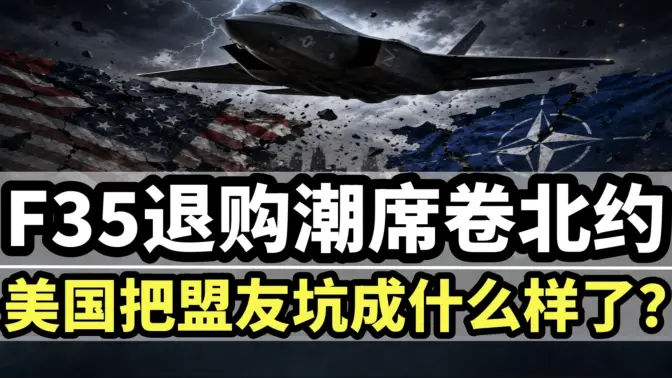
- Portugals Defense Minister has decided against recommending F-35 procurement due to concerns over U.S. policy unpredictability, while the Air Force Chief emphasizes the fighters importance for technological progress
- Canadas Prime Minister has initiated a review of its F-35 procurement, and Germany has suspended acceptance of 35 F-35s, indicating a growing divide within NATO regarding U.S.-made fighters
- The F-35s heavy reliance on software and data, compared to a flying smartphone, raises issues about operational independence, as key algorithms and control systems are not accessible to purchasing nations
- Operational data from the F-35 must be sent to U.S. servers, which restricts the autonomy of allied nations and creates a dependency that could threaten their military capabilities
- The reluctance of NATO members to proceed with F-35 procurement underscores a structural challenge, where individual nations choices may compromise collective security and operational effectiveness
details
details
details
Read full analysis
- Emphasize F-35s unique technological capabilities
- Highlight the necessity of advanced military technology for national defense
- Critique U.S. unpredictability in military commitments
- Advocate for European defense autonomy and self-reliance
- Acknowledge the F-35s advanced technology
- Recognize the historical military alliances among NATO members
- NATO allies are increasingly concerned about the reliability of the F-35 program, particularly regarding the potential for the U.S. to cut off support, as demonstrated by the situation with Ukraines HIMARS system
- The paradox of dependency is evident in Greenlands defense strategy, where the U.S. sells F-35s to a NATO member while simultaneously threatening to withdraw military support
- European nations are recognizing the unreliability of U.S. assurances for collective defense, leading to a push for greater defense autonomy, as seen in the EUs plans to enhance domestic military procurement
- Germanys procurement strategy indicates a growing hesitation to depend on U.S. technology, with officials cautioning that acquiring F-35s could increase reliance on American defense systems
- Public opinion in Europe is shifting, with only 11% of citizens in 15 countries considering the U.S. a reliable ally, reflecting a significant decline in trust within NATO
- France is shifting its defense strategy by choosing the CMT air defense system over the F-35, while Spain has halted its F-35 procurement, requiring that 85% of new defense spending be directed to European firms
- European nations are grappling with the challenge of developing competitive alternatives to the F-35, with Portugal recognizing it as the only aircraft that meets its technological requirements
- Germany is increasingly prioritizing domestic production in its military procurement, allocating a significant portion of its defense budget to support local industries amid skepticism towards U.S. military technology
- Turkey is exploring diverse defense options after its removal from the F-35 program, including European Typhoon jets and its own stealth fighter, while also contemplating a return to the F-35 if U.S. sanctions are lifted
- Poland is facing delays in F-35 deliveries due to ongoing military pressure from Russia, underscoring the vulnerabilities of smaller NATO member states that rely heavily on U.S. security assurances
details
details
details
- Polands F-35 procurement is significantly delayed, with the first three aircraft not expected until 2030, raising concerns about its military readiness
- A U.S. Government Accountability Office report indicates a sharp decline in the F-35s mission capability rates, dropping from 38% to 25%, revealing systemic issues within the program
- Polands defense strategy is constrained by financial limitations, with military spending at 4.2% of GDP, and potential U.S. supply delays due to geopolitical tensions in the Middle East
- The rising costs and maintenance challenges of the F-35 program have led to skepticism among NATO allies, prompting countries like Canada and Spain to reconsider their commitments
- Trust in U.S. military commitments is eroding, as allies recognize that advanced military equipment may be used for political leverage rather than dependable defense support
details
details
details
details
details
- The F-35 buyback wave is causing a rift within NATO, as trust in U.S.-made fighters diminishes, highlighting concerns over military reliability and the implications for collective defense strategies
This analysis is an original interpretation prepared by Art Argentum based on the transcript of the source video. The original video content remains the property of the respective YouTube channel. Art Argentum is not responsible for the accuracy or intent of the original material.