




Sustainable Travel in Spain: Electric Vehicle Insights
Analysis of electric vehicle travel and energy efficiency initiatives, based on 'Recharge and Continue. Chapter 3: Madrid-Borja' | TVidae.
OPEN SOURCEThe journey from Madrid to Borja highlighted the Dur5M program's focus on energy efficiency in small municipalities with populations under 5,000. Key locations included Morata de Jalón, where a corrective self-consumption installation was observed, and Borja, which benefited from municipal lighting improvements funded by recovery initiatives.
The trip spanned approximately 600 kilometers with only one 25-minute charging stop, showcasing the practicality of electric vehicles for long-distance travel. The visit emphasized the positive effects of renewable energy projects, including 120 megawatts of wind energy installations near Borja, enhancing local energy sustainability.
Collaboration with local mayors proved effective, demonstrating tangible benefits of energy projects in rural communities. The experience reflects a growing trend towards sustainable travel and energy efficiency in Spain.
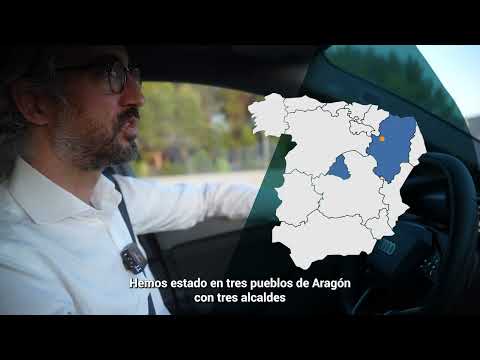
- The trip from Madrid to Borja showcased the Dur5M programs focus on energy efficiency in small municipalities with populations under 5,000
- Key locations included Morata de Jalón, where a corrective self-consumption installation was observed, and Borja, which benefited from municipal lighting improvements funded by recovery initiatives
- The journey spanned around 600 kilometers with just one 25-minute charging stop, highlighting the practicality of electric vehicles for long-distance travel
- The visit emphasized the positive effects of renewable energy projects, including 120 megawatts of wind energy installations near Borja, enhancing local energy sustainability
- Overall, the experience was very positive, reflecting effective collaboration with local mayors and the tangible benefits of energy projects in rural communities
details
details
details
Read full analysis
- Highlights the effectiveness of the Dur5M program in promoting energy efficiency
- Demonstrates the practicality of electric vehicles for long-distance travel
- Questions the adequacy of charging infrastructure in less populated areas
- Raises concerns about battery performance in diverse regions
- Notes the collaboration with local mayors as a positive aspect
- Acknowledges the tangible benefits of energy projects in rural communities
The reliance on electric vehicles for long-distance travel assumes adequate charging infrastructure and battery performance, which may not be universally applicable. Inference: The positive experience reported may not hold in regions lacking similar support systems or where demographic factors complicate energy project implementation.
This analysis is an original interpretation prepared by Art Argentum based on the transcript of the source video. The original video content remains the property of the respective YouTube channel. Art Argentum is not responsible for the accuracy or intent of the original material.