



Using a Small Fan to Cool the Transformer? Why Cant India Ever Fix Its Power Grid
India's power grid faces severe challenges due to a combination of outdated infrastructure, extreme weather, and political mismanagement. The grid's inability to meet rising electricity demands during heatwaves leads to widespread outages and suffering among the population.
OPEN SOURCEIndia's power grid faces severe challenges due to a combination of outdated infrastructure, extreme weather, and political mismanagement. The grid's inability to meet rising electricity demands during heatwaves leads to widespread outages and suffering among the population.
The reliance on outdated technology results in high transmission losses, with reports indicating that up to 20% of electricity is lost before reaching consumers. This inefficiency is compounded by a lack of investment in modernizing the grid.
Political decisions often prioritize short-term electoral gains over necessary infrastructure improvements, leading to a cycle of neglect and deterioration. Populist policies, such as subsidizing electricity for certain demographics, further strain the system.
As extreme temperatures become more common, the demand for electricity surges, exacerbating the existing issues within the grid. The failure to adapt to these changing conditions highlights the urgent need for comprehensive reform.
The consequences of these failures are dire, with reports of heat-related deaths and suffering among those unable to access reliable cooling solutions. The disparity in access to electricity between wealthy and poor communities underscores the social inequities exacerbated by the power crisis.
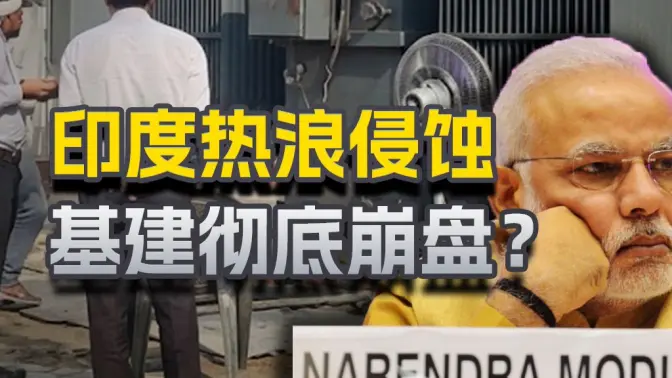
- In response to extreme heat waves, Indian power departments have resorted to using fans and water to cool essential electrical equipment, underscoring the power grids inadequacy
- During high temperatures, Indias power demand peaks at 261.4 GW, yet the countrys renewable energy sources are unable to consistently meet this demand
- Despite government initiatives to increase renewable energy capacity, operational battery storage remains at only 1.8 GW, which is insufficient for peak electricity needs
- The reliance on solar energy, which is limited by nighttime and cloudy conditions, contributes to frequent power shortages
- The ongoing energy crisis raises significant concerns about Indias ability to provide a reliable electricity supply, particularly during extreme weather, impacting both residents and international students
details
details
details
Read full analysis
- Claim to prioritize renewable energy initiatives
- Promote short-term populist measures to gain electoral support
- Highlight the outdated infrastructure and its inefficiency
- Demand accountability for political mismanagement and neglect
- Acknowledge the impact of extreme weather on electricity demand
- Recognize the historical context of Indias power grid development
- India is facing extreme heat, with temperatures often surpassing 40 degrees Celsius, which poses significant challenges to power supply and infrastructure
- Urbanization has led to a sharp decline in green spaces and water bodies, worsening heat conditions and increasing reliance on air conditioning, thereby elevating electricity demand
- The countrys power generation heavily depends on thermal power plants that require large amounts of water for cooling, but the ongoing heatwave has severely reduced water availability, complicating electricity generatio
- The electrical grid, much of which is outdated and dates back to the 1950s, lacks necessary upgrades to meet modern demands, particularly as the economy shifts towards IT and service sectors that do not promote grid impr
- Despite attempts to enhance renewable energy capacity, the actual output remains inadequate to satisfy peak demands, resulting in wasted clean energy and exposing systemic inefficiencies in power distribution
details
details
details
details
- Indias power grid experiences significant energy losses, with transmission losses around 20% in some areas, compared to 4.37% in more efficient systems like Chinas
- The electrical infrastructure, largely from the 1950s, remains unmodernized due to a lack of demand from the manufacturing sector, which has been overshadowed by the IT and service industries
- Electricity theft is a major issue, with over 85,000 reported cases in a single year, placing additional financial burdens on power distribution companies
- Political incentives, such as providing free electricity to certain voter groups, have led to unsustainable practices, resulting in estimated financial losses for power companies of around 6.97 trillion rupees
- High temperatures, increased reliance on air conditioning, and reduced water resources for cooling power plants create a critical situation for Indias energy supply, jeopardizing economic stability and public welfare
- Indias power grid suffers from high transmission losses of around 20% in some regions, largely due to outdated infrastructure and widespread electricity theft
- Import restrictions and high tariffs on electrical equipment have created a shortage of critical components like transformers and circuit breakers, hindering necessary upgrades to the grid
- Despite economic growth, distribution companies are facing severe financial difficulties, with cumulative losses nearing 7 trillion rupees, worsened by political commitments to provide free electricity
- Access to cooling technology is highly unequal, with only 8% of households having air conditioning, while wealthier families disproportionately drive electricity demand, highlighting social disparities
- During extreme heat waves, the government has been criticized for downplaying heat-related mortality, with reports suggesting nearly 30,000 deaths, contrasting sharply with official figures in the hundreds
- A significant development regarding the use of small fans to cool transformers, emphasizing its relevance in addressing Indias ongoing power grid challenges
This analysis is an original interpretation prepared by Art Argentum based on the transcript of the source video. The original video content remains the property of the respective YouTube channel. Art Argentum is not responsible for the accuracy or intent of the original material.