Elon Musk highlights the need question the necessity
Elon Musk highlights the need to question the necessity of tasks instead of merely optimizing them, as excessive effort can lead to pursuing misguided goals. He critiques organizations for adhering to outdated practices without reassessing their relevance, which can waste resources on unnecessary tasks.
OPEN SOURCEElon Musk highlights the need to question the necessity of tasks instead of merely optimizing them, as excessive effort can lead to pursuing misguided goals. He critiques organizations for adhering to outdated practices without reassessing their relevance, which can waste resources on unnecessary tasks.
Elon Musk stresses the need to evaluate the necessity of tasks and processes before attempting to optimize them, advocating for the removal of unnecessary elements over mere efficiency improvements. He critiques organizations for clinging to outdated practices, which can lead to wasted resources on projects that no longer fulfill a purpose.
Elon Musk advocates for questioning the necessity of organizational processes, promoting the removal of redundant elements instead of merely seeking efficiency improvements. He challenges the value of multiple protective layers in organizations, arguing that they can increase complexity and costs without enhancing overall efficiency.
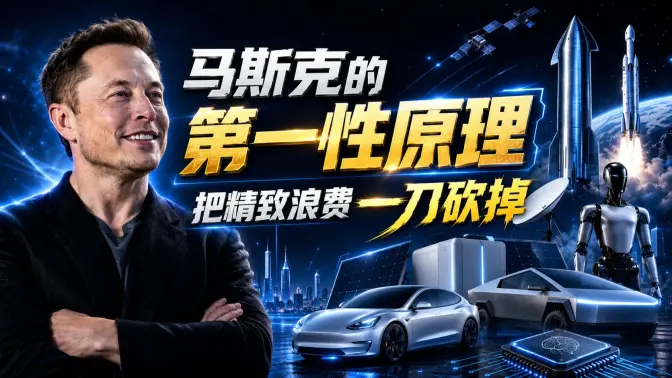
- Elon Musk highlights the need to question the necessity of tasks instead of merely optimizing them, as excessive effort can lead to pursuing misguided goals
- Elon Musk stresses the need to evaluate the necessity of tasks and processes before attempting to optimize them, advocating for the removal of unnecessary elements over mere efficiency improvements
- He critiques organizations for adhering to outdated practices without reassessing their relevance, which can waste resources on unnecessary tasks
- He critiques organizations for clinging to outdated practices, which can lead to wasted resources on projects that no longer fulfill a purpose
- Musk advocates for a systematic approach to challenge assumptions, beginning with evaluating the demand for a project before focusing on optimization and execution
- Musk promotes a thorough examination of demands and workflows, encouraging the elimination of redundant meetings and reports that do not add value
- Elon Musk highlights the need to question the necessity of tasks instead of merely optimizing them, as excessive effort can lead to pursuing misguided goals
- He critiques organizations for adhering to outdated practices without reassessing their relevance, which can waste resources on unnecessary tasks
- Musk advocates for a systematic approach to challenge assumptions, beginning with evaluating the demand for a project before focusing on optimization and execution
- He warns that many organizations continue outdated practices due to a failure to revisit the original reasons for their existence, resulting in inefficiencies and stifled innovation
- Musk points out that unchallenged demands, particularly from influential individuals, can become entrenched and obstruct progress and adaptability within organizations
- Elon Musk stresses the need to evaluate the necessity of tasks and processes before attempting to optimize them, advocating for the removal of unnecessary elements over mere efficiency improvements
- He critiques organizations for clinging to outdated practices, which can lead to wasted resources on projects that no longer fulfill a purpose
- Musk promotes a thorough examination of demands and workflows, encouraging the elimination of redundant meetings and reports that do not add value
- He warns that organizational complexity can hinder productivity, as departments may focus on optimizing their own functions without considering the overall system, leading to inefficiencies and higher costs
- Musks philosophy challenges traditional management by emphasizing the importance of questioning existing norms and demands to foster innovation and maintain agility
- Elon Musk advocates for questioning the necessity of organizational processes, promoting the removal of redundant elements instead of merely seeking efficiency improvements
- He challenges the value of multiple protective layers in organizations, arguing that they can increase complexity and costs without enhancing overall efficiency
- Musk emphasizes the importance of rigorous testing to determine the necessity of components, resisting the urge to maintain the status quo based on industry norms
- The inclination to add complexity often arises from a desire for safety, but true innovation requires simplifying and eliminating unnecessary elements
- His management philosophy focuses on systemic efficiency, warning that local optimizations can lead to overall inefficiencies if not considered within the broader context
- Effective management requires critically assessing what can be eliminated to streamline processes and clarify responsibilities, rather than simply adding resources
- Musk advocates for reduction over addition, asserting that true efficiency stems from identifying and removing unnecessary elements within systems
- He challenges industry norms by promoting simpler, more integrated solutions, as seen in his approach to automotive manufacturing
- Musks management style encourages teams to confront waste and inefficiency, pushing them to acknowledge uncomfortable truths about their processes
- The fear of admitting mistakes often leads organizations into unnecessary complexity, hindering essential changes due to concerns over control or status
- His ability to pivot and correct course when errors are identified is vital, contrasting with the common tendency to persist with flawed strategies out of fear
- Musk argues that automation should be implemented only after thoroughly evaluating needs and simplifying workflows, rather than as an initial step
- Automating flawed systems can entrench errors, while reintroducing human oversight is essential for correcting processes and ensuring their effectiveness
- The inclination to add features instead of eliminating unnecessary ones contributes to complexity and inefficiency, underscoring the need to identify what is truly essential
- Musk promotes a critical evaluation of both successful and unsuccessful practices, fostering a culture of accountability and adaptability within teams
- True efficiency is achieved by removing excess rather than merely adding more, which can obscure underlying issues and create a misleading sense of progress
- Teams often complicate products by adding features without a clear core value, resulting in user confusion and higher maintenance costs
- The illusion of productivity can mislead teams; being busy does not necessarily lead to value creation, as many activities may not yield actual results
- To enhance efficiency, it is crucial to prioritize questioning, eliminate unnecessary tasks, optimize processes, and then consider automation in that order
- Many individuals mistakenly believe that more tools or features are needed for success, when the focus should be on removing ineffective tasks and clarifying objectives
- True personal growth comes from recognizing and concentrating on a few critical tasks instead of trying to manage many, which can dilute effectiveness
- Effective task prioritization is essential; focusing on the most valuable tasks can greatly improve productivity and outcomes
- Many struggle with productivity not due to a lack of plans, but because they cannot differentiate between what is truly important and what is not
- High achievers focus their efforts on a few key areas instead of spreading themselves too thin across many tasks
- The ability to decline ineffective meetings, busywork, and outdated goals is vital for both personal and professional development
- True efficiency is achieved by creating space for important tasks rather than merely filling schedules with unproductive activities
- Regularly assessing and removing non-essential commitments can enhance clarity and effectiveness in reaching goals
- Many individuals struggle to achieve breakthroughs because they fail to critically evaluate their own needs and priorities, often focusing on improvement rather than the validity of their tasks
- Elon Musk stresses the importance of questioning the worth of a task instead of merely pursuing efficiency or persistence in potentially outdated directions
- True progress requires the elimination of ineffective efforts and low-value tasks, rather than just accumulating knowledge or activities
- Musks approach underscores the need to discard unnecessary elements to simplify processes and concentrate on what truly matters for meaningful advancement
- The fear of admitting mistakes can result in continued investment in unproductive paths, while successful individuals are those who quickly acknowledge errors and pivot
This analysis is an original interpretation prepared by Art Argentum based on the transcript of the source video. The original video content remains the property of the respective YouTube channel. Art Argentum is not responsible for the accuracy or intent of the original material.