Nvidia's Competitive Edge in the Global Chip Market
Analysis of Nvidia's position in the global chip ecosystem, based on "China Chips Still Behind US, Nvidia in Performance" | Bloomberg Technology.
OPEN SOURCENvidia's current market strategy does not rely on access to the Chinese market due to ongoing political uncertainties affecting sales. The company has not factored potential sales to China into its growth projections, focusing instead on its competitive advantages in the global chip ecosystem.
China's ability to develop a competitive domestic chip supply chain remains uncertain. The complexity of semiconductor production and the need for international cooperation pose significant challenges that may hinder China's progress against established players like Nvidia.
Companies like SK Hynix are positioned to enhance their market presence through long-term agreements, contrasting with the historical volatility of the memory market. This shift indicates a potential for more stable growth in the semiconductor sector.
TSMC is recognized as a dominant player in the semiconductor industry, demonstrating its capability to manage complex supply chains effectively. As chip production becomes increasingly intricate, TSMC's control over its supply chain allows it to maintain a competitive edge.
Investors are encouraged to explore AI-related opportunities beyond the US, as the global chip market features American design and international manufacturing. This landscape presents promising investment avenues in the semiconductor sector.
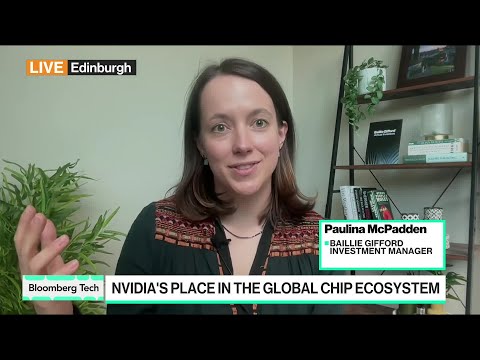
- Maintains a competitive edge over China due to strong fundamentals and growth forecasts
- Focuses on long-term advantages rather than reliance on the Chinese market
- Struggles to build a competitive domestic chip supply chain due to complexity
- Political uncertainties hinder potential sales and market access
- TSMCs raised AI growth forecast to 56% reflects confidence in the semiconductor supply chain
- Investors are advised to seek opportunities in the global chip market beyond the US
- Nvidias strategy is less dependent on the Chinese market due to political uncertainties affecting future sales predictions
- Chinas potential to establish a competitive domestic chip supply chain is uncertain, as the complexity and scale required may impede its progress against Nvidias advanced technology
- The semiconductor industry is changing, with companies like SK Hynix potentially enhancing their market position through long-term agreements, contrasting with the historical volatility of memory markets
- TSMC is recognized as a key player in the semiconductor ecosystem, demonstrating its capability to manage complex supply chains and maintain competitive advantages as chip production becomes increasingly intricate
- Investors are advised to seek AI-related opportunities beyond the US, as the global chip market features American design and international manufacturing, presenting a promising landscape for investment
- The perception of limited news on chip exports from China is viewed negatively, yet it does not affect the strong fundamentals of companies like TSMC
- TSMC has raised its AI growth forecast to 56% over the next five years, indicating confidence in the semiconductor supply chain
- Investing in leading companies such as TSMC and SK Hynix aligns well with a concentrated investment strategy
- The intricate nature of the semiconductor supply chain suggests that firms with strong competitive positions are likely to thrive despite market volatility
details
The assumption that China can build a competitive chip supply chain overlooks the intricate dependencies and global cooperation required in semiconductor manufacturing. Inference: The reliance on international partnerships suggests that without these, China's ambitions may falter, limiting its ability to compete with established players like Nvidia.
This analysis is an original interpretation prepared by Art Argentum based on the transcript of the source video. The original video content remains the property of the respective YouTube channel. Art Argentum is not responsible for the accuracy or intent of the original material.