Material Properties and Touch Sensation
Surface texture significantly affects tactile sensations, with smoother surfaces producing different sensory feedback compared to rougher ones.
OPEN SOURCESurface texture significantly affects tactile sensations, with smoother surfaces producing different sensory feedback compared to rougher ones.
Human skin contains specialized receptors that detect vibrations and surface irregularities, allowing for the perception of smoothness.
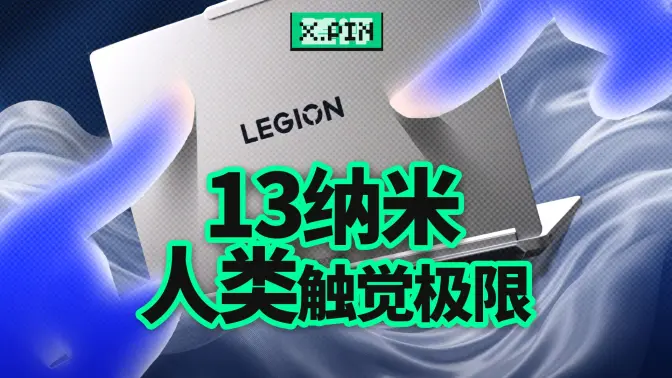
Research indicates that humans can perceive extremely fine surface roughness, down to 13 nanometers.
Materials like silk and polished metals exhibit minimal surface irregularities, enhancing the sensation of smoothness.
The phenomenon of smoothness is also influenced by the contact area between the skin and the material.
Technological advancements in material processing can enhance tactile experiences, making surfaces feel smoother.
- Highlight the role of microscopic surface texture in tactile perception
- Emphasize the importance of sensory receptors in detecting vibrations
- Question the significance of surface texture in everyday materials
- Argue that perceived smoothness can vary based on individual sensitivity
- Acknowledge that both surface texture and receptor sensitivity contribute to tactile perception
- Recognize that technological advancements can improve material properties
- Surface texture and skin receptor interactions, particularly with Merkel cells, significantly influence the perception of smoothness in materials
- Humans can detect surface roughness as fine as 13 nanometers, demonstrating the high sensitivity of tactile perception
- The sensation of smoothness is affected not only by surface flatness but also by the frequency of vibrations produced during contact, with silk and high-quality surfaces generating vibrations above 1000 Hz
- Surprisingly, perfectly smooth surfaces like glass can create a larger contact area that increases friction, resulting in a less smooth tactile experience due to molecular attraction forces
- Industrial applications face challenges in balancing surface smoothness and texture to create desirable tactile sensations, as seen in products designed for improved user experience
- The 5052 aluminum alloy, widely used in manufacturing, has stringent iron content limits, recently reduced to 0.1%, to enhance corrosion resistance and surface smoothness
- Aluminum production involves multiple processes, including heat and cold pressing, which significantly impact the materials microstructure and surface characteristics, affecting tactile experience
- Advanced surface treatments, such as controlled sandblasting and polymer coatings, are utilized to achieve a silk-like texture, improving both smoothness and aesthetic appeal
- A three-step light curing process finalizes the surface finish, minimizing contact area and creating a soft matte finish that enhances tactile sensation
- The Lenovo Legion Pro 7i showcases these advancements, featuring a lightweight design and high-performance specifications while providing a premium tactile experience through innovative surface treatments
details
details
details
- The Intern Cooler Ultra7 2Wi-HX processor improves efficiency by reducing power consumption by 38% while boosting CPU performance by 40% under load
- An independent NPU is integrated for AI optimization in gaming, allowing performance enhancements without manual user adjustments
- The cooling system effectively reduces heat and noise, ensuring quieter operation during intense gaming sessions
- Featuring a 15.3-inch display with a 2.5K resolution and a 165Hz refresh rate, the laptop meets high-end gaming standards for visual performance
- The keyboard offers a deep key travel of 1.6mm, enhancing tactile feedback for both gaming and general use
- Advanced materials and manufacturing techniques contribute to a sleek, smooth finish, enhancing the overall user experience
details
details
details
details
details
This analysis is an original interpretation prepared by Art Argentum based on the transcript of the source video. The original video content remains the property of the respective YouTube channel. Art Argentum is not responsible for the accuracy or intent of the original material.