Modern Espionage in Jack Ryan: Ghost War
Analysis of modern espionage themes in 'Jack Ryan: Ghost War', based on 'Inside Jack Ryan: Ghost War' | The Cipher Brief.
OPEN SOURCEDirector Andrew Bernstein discusses the collaboration with the CIA and MI6 to authentically depict modern espionage in 'Jack Ryan: Ghost War.' The film explores contemporary geopolitical issues, emphasizing the emotional toll of covert operations and the relevance of Tom Clancy's work.
Bernstein highlights the importance of balancing entertainment with realism, noting that while some aspects are dramatized, the emotional and personal costs of intelligence work are authentically depicted. The production team established a strong relationship with the CIA and MI6, facilitating unique filming opportunities.
The film emphasizes the emotional depth of relationships among characters, showcasing their reliance on each other in the isolating world of espionage. An unprecedented car chase filmed in central London showcased the logistical challenges of shooting in a busy urban setting.
Bernstein reflects on the significance of accurately portraying the commitment and risks of intelligence roles, illustrated by pivotal scenes that reveal the genuine dedication and sacrifices inherent in intelligence work. The narrative sets the groundwork for future installments, allowing for deeper exploration of Jack Ryan's universe.
The director expresses optimism for future Jack Ryan installments, pointing to numerous untold stories and emotional conflicts within the intelligence community that could be explored. He emphasizes the need for the entertainment industry to educate audiences about real-world threats while still engaging them.
The conversation highlights the significance of audience feedback, with the director keen to understand viewer reactions to the film. Bernstein expresses admiration for the Cipher Brief's work, encouraging broader engagement with its content.
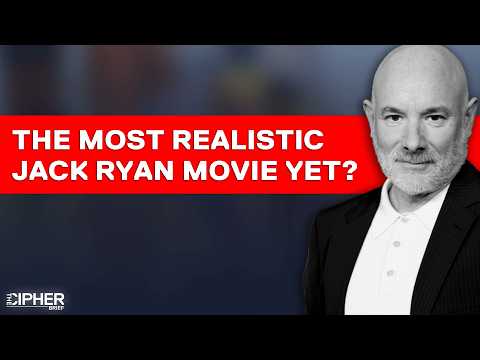
- Highlights the collaboration with CIA and MI6 to enhance realism in the film
- Emphasizes the emotional toll and personal sacrifices of intelligence officers
- Raises questions about potential biases due to reliance on intelligence agencies
- Acknowledges the importance of balancing entertainment with educational elements
- Notes the significance of audience feedback in shaping future projects
- Director Andrew Bernstein highlights the collaboration with the CIA and MI6 to authentically depict modern espionage in Jack Ryan: Ghost War
- The film explores contemporary geopolitical issues, emphasizing shadow conflicts that reflect the complexities of todays intelligence landscape
- Bernstein emphasizes the emotional toll of covert operations, aiming to create relatable characters grounded in reality
- Filming at actual CIA and MI6 locations enhances the films credibility and commitment to authenticity
- The ongoing relevance of Tom Clancys work is noted, as it resonates with current global threats and the evolving nature of intelligence
- The cast of Jack Ryan: Ghost War is politically aware, enhancing the films authentic portrayal of contemporary geopolitical issues
- Filmmakers face the challenge of balancing entertainment with realism, often needing to fictionalize elements while drawing from real intelligence stories
- Andrew Bernstein highlights the significance of portraying the emotional dedication of intelligence officers, even as some action sequences are dramatized
- The CIA has a history of collaborating with filmmakers, while MI6s initial hesitance reflects a cautious approach to public engagement
details
- The production team established a strong relationship with the CIA and MI6, which facilitated unique filming opportunities, including scenes shot outside CIA headquarters
- Sianna Millers character exemplifies a shift in the portrayal of female intelligence officers, highlighting their essential roles in a traditionally male-dominated field
- Bernstein stresses the need to balance realism with entertainment, noting that while some aspects are dramatized, the emotional and personal costs of intelligence work are authentically depicted
- Collaboration with intelligence agencies was crucial in accurately representing the realities of espionage, particularly regarding the challenges faced by female officers
- Insights gained from real intelligence professionals significantly influenced character development and storylines, contributing to the films authenticity
details
- The film explores the emotional depth of relationships among characters, emphasizing their reliance on each other in the isolating world of espionage
- An unprecedented car chase filmed in central London showcased the logistical challenges of shooting in a busy urban setting, requiring meticulous planning
- Bernstein highlights the need to balance thrilling action sequences with meaningful character interactions, as these resonate more with audiences than mere spectacle
- The production encountered bureaucratic challenges and skepticism from local authorities, necessitating strong relationship-building to secure filming permissions in various locations
- The narrative sets the groundwork for future installments, allowing for deeper exploration of Jack Ryans universe and the complexities of modern espionage
- Andrew Bernstein discusses the challenge of balancing entertainment with realism in modern espionage narratives, aiming to provoke thought about real-world threats while still engaging audiences
- He emphasizes the emotional toll of intelligence work, suggesting that the personal stories of intelligence professionals can resonate with viewers, making their experiences relatable
- Bernstein highlights the impact of disinformation campaigns and cyber threats in todays geopolitics, noting that many Americans may be unaware of vulnerabilities in their critical infrastructure
- The director expresses optimism for future Jack Ryan installments, pointing to numerous untold stories and emotional conflicts within the intelligence community that could be explored
- He reflects on the excitement of filmmaking, stating that the thrill of creating impactful stories motivates him and his team despite the challenges faced during production
- Jack Ryan: Ghost War explores the personal sacrifices and moral dilemmas faced by intelligence officers, emphasizing the emotional toll of their work beyond typical spy narratives
- Director Andrew Bernstein highlights the significance of accurately portraying the commitment and risks of intelligence roles, illustrated by a pivotal scene where the protagonist reflects on the consequences of his actions
- The productions close collaboration with the CIA allowed for a more authentic representation of the agencys culture, including a scene featuring the CIAs memorial wall, which honors the sacrifices of operatives
- Bernstein aims to educate audiences about the complexities of modern espionage while balancing entertainment, striving to deliver thrilling cinematic experiences
- The film challenges conventional perceptions of spies, moving away from glamorous depictions to reveal the genuine dedication and sacrifices inherent in intelligence work
- The conversation highlights the significance of audience feedback, with the director keen to understand viewer reactions to the film
- Andrew Bernstein expresses admiration for the Cipher Briefs work, encouraging broader engagement with its content
- The discussion indicates a favorable reception of the film, suggesting it effectively merges factual elements with engaging entertainment
The reliance on CIA and MI6 for authenticity raises questions about the narrative's independence and potential biases. Inference: The portrayal of intelligence work may be overly sanitized, omitting the darker realities of espionage. This could mislead audiences about the true nature of covert operations, as the film prioritizes entertainment over a comprehensive depiction of the complexities involved.
This analysis is an original interpretation prepared by Art Argentum based on the transcript of the source video. The original video content remains the property of the respective YouTube channel. Art Argentum is not responsible for the accuracy or intent of the original material.