Exploring Undersea Cable Vulnerabilities and Geopolitical Risks
Analysis of undersea cable vulnerabilities amid rising geopolitical tensions, based on 'The Cables that Bind the World, Putin in Beijing, US Eyes on Cuba, German Spy Reboot' | One Decision.
OPEN SOURCEUndersea fiber optic cables are critical for global internet connectivity, carrying 95% of international data traffic. Their vulnerability has become a pressing concern amid rising geopolitical tensions, particularly involving nations like Iran, China, and Russia. Recent discussions highlight the potential for coordinated attacks on these cables, which could disrupt global communications and economic stability.
The geopolitical landscape surrounding undersea cables is complex, with countries increasingly engaging in gray zone warfare. Incidents of cable damage, often attributed to accidental causes, may mask deliberate actions aimed at testing responses from affected nations. The lack of a robust international legal framework to address these threats raises significant concerns about accountability and the security of critical infrastructure.
As nations like Taiwan enhance their defenses against potential disruptions, the need for strategic planning and public awareness regarding undersea cable security becomes paramount. The implications of these vulnerabilities extend beyond national security, affecting global economic stability and the functioning of essential services.
The evolution of technology and the increasing influence of major tech companies in the undersea cable landscape further complicate the situation. With private entities controlling significant bandwidth, questions arise about data privacy and the geopolitical motivations behind cable ownership and operation.
Overall, the discussion emphasizes the urgent need for a comprehensive approach to safeguarding undersea cables, recognizing their vital role in modern communication and the potential risks posed by geopolitical frictions.
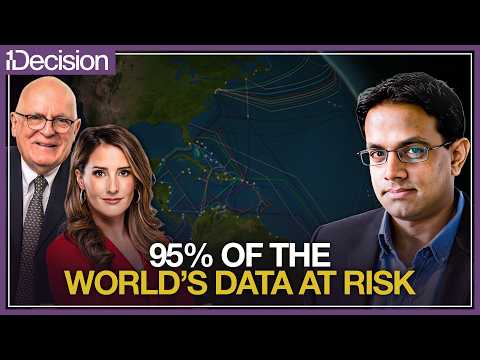
- Highlights the increasing vulnerability of undersea cables due to geopolitical tensions
- Claims existing measures are inadequate to protect undersea cables from deliberate attacks
- Notes the lack of a robust international legal framework to address these vulnerabilities
- Identifies the need for strategic planning and public awareness regarding undersea cable security
- Acknowledges the role of major tech companies in the undersea cable landscape
- Undersea cables, which carry 95% of global internet traffic, are critical yet vulnerable, with governments actively monitoring the data that flows through them
- The current security measures for these cables are deemed inadequate, raising concerns about their protection given their importance to the global economy
- Iran threatens to disrupt cables in the Strait of Hormuz, highlighting geopolitical risks associated with the underwater cable network
- Recent US-Iran diplomatic interactions, particularly during a visit to China, suggest a temporary pause in potential military actions
- The discussion reflects on the complexities of international relations, indicating that while diplomatic talks occur, concrete agreements often remain out of reach
details
- The meeting between Presidents Trump and Putin in Beijing was largely symbolic, establishing a framework for future discussions without significant outcomes
- Putins visit to Beijing underscores his need for Chinese support amid ongoing challenges in Ukraine, reflecting his anxiety about the wars trajectory
- CIA Director John Ratcliffes visit to Cuba coincided with Trumps discussions in Beijing, emphasizing U.S. interest in Cubas economic situation and potential influence without military intervention
- The U.S. is expected to apply economic pressure on Cuba, similar to its strategy in Venezuela, indicating a long-term approach to re-establishing ties with the island
- The geopolitical landscape in Latin America is evolving, with the U.S. increasing its influence while China and Russia seem to be losing ground in the region
- The potential appointment of Major General Roman Gothman as the new head of Mossad may indicate a shift towards a more militarized intelligence approach in Israel, responding to current political and security challenges
- Germanys BND is set for significant reforms aimed at enhancing its operational capabilities, addressing past criticisms of bureaucratic limitations that have hindered its effectiveness
- The leadership changes in Israeli and German intelligence reflect a broader trend of adapting strategies to tackle contemporary security threats in Europe and the Middle East
- Germanys BND, historically limited by legal constraints, is undergoing reforms to enhance its operational capabilities, potentially aligning it more closely with other European intelligence agencies
- Proposed legislative changes by Chancellor Merz signify a shift in Germanys intelligence approach, moving away from the restrictive legacy of World War II to address modern security challenges
- Undersea cables are critical to global internet infrastructure, with 95% of international data traffic relying on them, highlighting their vulnerability to both accidental damage and deliberate attacks
- Samanth Subramanian points out that these cables significantly impact daily activities, from personal communications to essential economic functions, raising concerns about their security
details
- Undersea fiber optic cables are essential for global internet connectivity, with 95% of international data traffic relying on them, underscoring their importance for economic stability
- Recent escalations in threats to these cables have prompted increased urgency within the intelligence community to address vulnerabilities, reflecting the internets growing role in daily life and economic activities
- The evolution of technology used to damage cables, often disguised as civilian operations, complicates accountability and response efforts to such attacks
- While redundancy in the cable network aims to mitigate outages, the extensive number of cables and their susceptibility to both accidental and deliberate damage raise concerns about the effectiveness of current protective measures
- High costs associated with the installation and protection of cables hinder the development of a more secure infrastructure, leaving the existing system vulnerable to geopolitical tensions and sabotage
details
- The vulnerability of undersea cables is increasingly concerning, with nations like Iran, China, and Russia actively targeting these critical infrastructures amid rising geopolitical tensions
- The focus on protecting undersea cables has shifted from geological threats to the growing risk of deliberate attacks, reflecting the internets central role in global economies
- Current satellite technology is insufficient to replace the vast data traffic carried by undersea cables, underscoring the ongoing reliance on this infrastructure despite its vulnerabilities
- Ownership of undersea cables has moved from state-owned enterprises to private companies, with major tech firms controlling a significant share of global bandwidth, raising security and dependency concerns
- Major US tech companies, including Amazon, Meta, Google, and Microsoft, are increasingly dominating the undersea cable landscape, investing heavily to secure bandwidth for their own operations
- The longest undersea cable, funded primarily by Meta, connects the UK to India, showcasing the financial strength of these companies in developing critical infrastructure
- US efforts to exclude Chinese firms from undersea cable projects have resulted in a fragmented internet, creating separate networks led by American and Chinese entities, which challenges the concept of a unified global internet
- Surveillance through fiber optic cables poses significant technical challenges, particularly underwater, making it difficult for foreign nations to intercept data without being detected, despite historical attempts by countries like the US and Russia
- The strategic consequences of cutting or tapping undersea cables are profound; while severing a cable disrupts service, undetected tapping could yield critical intelligence, raising national security concerns
details
- Governments monitor data at undersea cable landing stations, accessing metadata that reveals user behavior, even when content is encrypted
- While there are rumors of technologies for tapping underwater fiber optic cables, no confirmed instances exist, highlighting the challenges of monitoring submerged cables
- Deliberate attacks on undersea cables are infrequent, with only about 1% of annual cable damage being intentional, suggesting nations prefer to keep cables operational for intelligence purposes
- Historical instances of cable severing during wartime indicate that current geopolitical tensions may discourage such actions, as cutting one cable could lead to widespread communication failures
- Countries are engaging in grey zone warfare, with China reportedly using fishing boats to sever undersea cables in Taiwans waters, complicating the classification of these actions as deliberate attacks
- The International Cable Protection Committee (ICPC) indicates that while there are around 200 instances of cable damage each year, only 1% are deemed intentional, suggesting a potential underreporting of deliberate actions
- Legal jurisdiction over undersea cable incidents is complicated due to the cables often crossing multiple countries and being laid by international consortia, making prosecution in open waters challenging
- The UN Convention on the Law of the Sea, which could offer a legal framework for addressing undersea cable issues, has not been ratified by the US, creating a regulatory gap in international waters
- Irans recent proposal to impose tolls on cables traversing the Strait of Hormuz underscores the evolving and unregulated nature of undersea cable governance, exposing new vulnerabilities in global communication infrastructure
- The South China Sea is crucial for undersea cables, with China controlling cable laying permits, prompting companies to pursue longer and more expensive routes
- Undersea cable routes have historically remained stable, with many cables still landing in traditional locations like Mumbai and Chennai, indicating limited diversification
- Emerging projects, such as Metas W cable, aim to bypass traditional chokepoints, reflecting a strategic shift to enhance redundancy and mitigate geopolitical risks
- The vulnerability of undersea cables is heightened by their historical transparency regarding locations, contrasting with the more concealed nature of land-based cables, which are easier to protect
- While undersea cable security faces significant challenges, similar vulnerabilities exist on land; however, territorial jurisdiction allows for more effective policing and legal action
- Taiwan is enhancing its territorial water policing and establishing backup satellite systems to prepare for potential disruptions to its undersea cables, which are vital for its semiconductor industry
- The vulnerability of undersea cables poses significant risks to national security and economic stability, particularly amid rising geopolitical tensions involving China and Iran
- Concerns are growing that the lack of transparency about cable locations could increase the risk of sabotage, as nations reconsider the practice of publicly disclosing cable landing points
- The future of the internet may face fragmentation and heightened vulnerability due to geopolitical frictions and the increasing influence of artificial intelligence on data processing and infrastructure demands
- Undersea cables are crucial for global communication, yet their security is precarious in the context of escalating international tensions
- Undersea cables, essential for global internet connectivity, are increasingly vulnerable due to geopolitical tensions involving Russia, China, and Iran
- Concerns are rising over Russias covert operations that may involve probing and cutting undersea networks, indicating a potential for gray zone warfare
- Incidents in the Shetland Islands suggest that some cable disruptions could be deliberate, possibly linked to Russian activities rather than accidental occurrences
- The sophistication of methods to tap into undersea cables is increasing, posing significant threats to data security and privacy
- There is a pressing need for enhanced public awareness and strategic planning regarding the security of undersea cables, which are vital for economic stability
- National security discussions are increasingly focused on the vulnerabilities of undersea cables, which are essential for global internet connectivity
- The episode underscores the geopolitical threats to these cables from countries like Russia, Iran, and China, which have engaged in aggressive actions
- Listeners are urged to understand the complexities surrounding these issues, as they have significant implications for international relations and cybersecurity
- The podcast aims to contextualize global news, encouraging audiences to consider the broader ramifications of seemingly isolated events
The assumption that current security measures are sufficient overlooks the potential for coordinated attacks on these cables, which could disrupt global communications. Inference: The lack of a robust international legal framework raises questions about accountability and response mechanisms in the event of a cable severance. Without addressing these missing variables, the discussion remains superficial and fails to consider the broader implications of such vulnerabilities.
This analysis is an original interpretation prepared by Art Argentum based on the transcript of the source video. The original video content remains the property of the respective YouTube channel. Art Argentum is not responsible for the accuracy or intent of the original material.