EU Tariffs on Steel Imports
EU's new tariffs on steel imports have doubled the duties and introduced stringent sourcing regulations.
OPEN SOURCEEU's new tariffs on steel imports have doubled the duties and introduced stringent sourcing regulations.
Local steel manufacturers face pressure from global competitors with complete supply chains.
Downstream industries, such as automotive and machinery, will bear the brunt of increased costs.
The tariffs may lead to a loss of competitiveness for European manufacturers in the global market.
Trade flows are shifting towards regions with lower costs, such as Southeast Asia and Latin America.
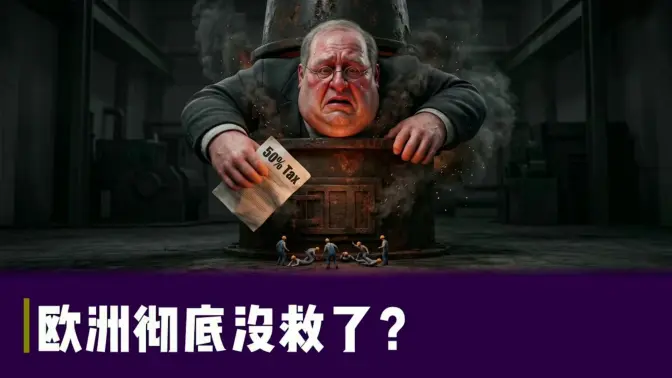
- Aim to protect local steel industries from foreign competition
- Intend to stabilize the domestic market by reducing imports
- Increase costs for downstream manufacturers, impacting their competitiveness
- Risk losing market share to foreign suppliers with lower prices
- Tariffs are part of a broader strategy to manage trade relations
- Regulations aim to ensure compliance with sourcing standards
- The European Parliament has enacted a regulation imposing a 50% tariff on steel imports, reducing the tax-free quota to 18.3 million tons, in response to concerns over Chinese steel exports
- This regulation indicates a shift in the EUs steel import sources, with Turkey, South Korea, and Indonesia now leading, while China has fallen to fourth place
- The tariffs and quotas aim to protect local steel industries, which have faced significant job losses, including nearly 18,000 jobs in 2024 alone
- The regulation seeks to redistribute market share to support local companies and address political pressures from traditional industrial regions in Europe
- New compliance rules mandate that importers declare the specific origins of steel products, tightening regulations and limiting the circumvention of tariffs through third-party countries
details
- The EU has implemented a 50% tariff on steel imports and reduced tax-free quotas to 18.3 million tons to protect local manufacturers from foreign competition
- New compliance rules require importers to declare the origins of steel products, aiming to prevent tariff circumvention through supply chain manipulation
- The tariff policy is expected to increase costs for downstream industries, potentially jeopardizing their competitiveness and profitability
- Non-EU countries like the UK and Switzerland are also affected by these tariffs due to their integrated supply chains with Europe, leading to discussions about mutual tariff exemptions
- While the policy aims to support local steel producers, it may compromise the long-term competitiveness of the EUs broader manufacturing sector
details
details
- Chinas steel industry is utilizing its supply chain strengths to maintain competitive pricing, while European manufacturers face increased costs from tariffs and high energy prices
- The EUs 50% tariff on excess steel imports aims to protect local producers but risks raising costs for downstream industries, especially in automotive and machinery
- European manufacturers are reassessing their procurement strategies in response to tariffs, leading to a focus on higher-value products and specialized materials
- The restructuring of supply chains is accelerating, with Chinese steel products becoming more integrated into global markets, particularly in regions experiencing infrastructure growth
- Despite protective tariffs, the interconnected global supply chains encourage companies to pursue cost-effective solutions, potentially undermining the intended protective measures
This analysis is an original interpretation prepared by Art Argentum based on the transcript of the source video. The original video content remains the property of the respective YouTube channel. Art Argentum is not responsible for the accuracy or intent of the original material.