Super El Niño and Its Economic Implications for India
Analysis of Super El Niño's impact on India's economy, based on 'India's NEXT Economic Crisis: Super El Niño 2026' | Think School.
OPEN SOURCEThe Prime Minister of India has called for reduced consumption, linking it to an impending crisis caused by a rare weather phenomenon known as Super El Niño, which is expected to have a significant impact on the country. Super El Niño, anticipated to form in May 2026, is similar to the devastating event of 1876 that resulted in widespread crop failures and famine, leading to millions of deaths and affecting a large portion of the global population.
Major weather agencies predict that this upcoming Super El Niño could be one of the strongest ever recorded, coinciding with India's ongoing oil crisis, which heightens the risk of economic instability. The explores how Super El Niño influences India's agriculture and food supply, emphasizing the urgent need for the country to prepare for potential food shortages and crop failures.
The monsoon is vital for India's agriculture, supplying 80% of the country's water needs and significantly influencing the economy, as agriculture employs 43% of the workforce despite contributing only 17% to GDP. A potential Super El Niño event is developing, which could lead to severe monsoon failures in 2026, echoing the catastrophic Super El Niño of 1876 that resulted in widespread famine and millions of deaths.
Current climate models forecast an 8% reduction in rainfall for India due to the Super El Niño, raising concerns about food shortages, increased prices, and economic downturns. Historically, previous Super El Niño events have been linked to negative GDP growth in India, with notable impacts on food inflation and farmer suicides during those periods.
Super El Niño, an extreme variant of the El Niño phenomenon, poses a significant threat to India's monsoon season, which is essential for agriculture and the economy. The anticipated Super El Niño in 2026 raises alarms about food security and economic stability in India, as past events have led to significant agricultural failures and economic downturns.
To mitigate the impending crisis, India must invest in irrigation infrastructure and diversify its economy away from agriculture, reducing reliance on rain-fed farming. As of April 2026, India's food reserves are significantly above mandatory levels, indicating some preparedness, but the lack of irrigation for 40% of farmland remains a critical vulnerability.
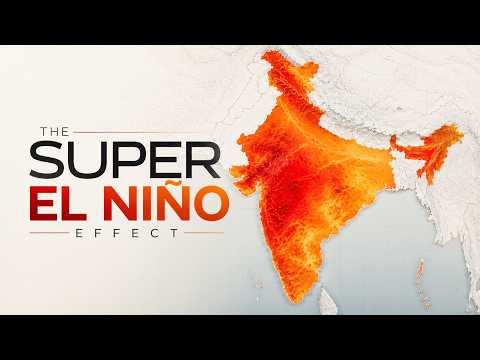
- Urges citizens to reduce consumption in light of an impending crisis linked to Super El Niño
- Highlights the potential for severe implications for Indias agriculture and food supply
- Assumes that reduced consumption will mitigate the effects of Super El Niño without addressing agricultural resilience
- Overlooks the complex dynamics of agricultural productivity and economic stability
- Super El Niño is expected to be one of the strongest on record, significantly impacting Indias monsoon season
- Historical precedents indicate that similar events have led to significant economic downturns and widespread famine in India
- The Prime Minister of India has called for reduced consumption, linking it to an impending crisis caused by a rare weather phenomenon known as Super El Niño, which is expected to have a significant impact on the country
- Super El Niño, anticipated to form in May 2026, is similar to the devastating event of 1876 that resulted in widespread crop failures and famine, leading to millions of deaths and affecting a large portion of the global population
- Major weather agencies predict that this upcoming Super El Niño could be one of the strongest ever recorded, coinciding with Indias ongoing oil crisis, which heightens the risk of economic instability
- The video explores how Super El Niño influences Indias agriculture and food supply, emphasizing the urgent need for the country to prepare for potential food shortages and crop failures
- The monsoon is vital for Indias agriculture, supplying 80% of the countrys water needs and significantly influencing the economy, as agriculture employs 43% of the workforce despite contributing only 17% to GDP
- A potential Super El Niño event is developing, which could lead to severe monsoon failures in 2026, echoing the catastrophic Super El Niño of 1876 that resulted in widespread famine and millions of deaths
- Current climate models forecast an 8% reduction in rainfall for India due to the Super El Niño, raising concerns about food shortages, increased prices, and economic downturns
- Historically, previous Super El Niño events have been linked to negative GDP growth in India, with notable impacts on food inflation and farmer suicides during those periods
- The close relationship between agriculture and the overall economy means that a monsoon failure could trigger a chain reaction, leading to decreased consumer spending and slowed industrial growth
details
details
details
- Super El Niño, an extreme variant of the El Niño phenomenon, poses a significant threat to Indias monsoon season, which is essential for agriculture and the economy
- Historically, Super El Niño events have caused severe droughts in India, with 10 of the 12 worst droughts since 1950 linked to this climate anomaly
- The interaction of wind and pressure zones illustrates how a warm patch of water in the Pacific can disrupt weather patterns thousands of kilometers away, impacting rainfall in India
- The Indian monsoon typically depends on two low-pressure zones: one over the subcontinent and another created by warm water in the Pacific, both of which are crucial for drawing in moisture
- When trade winds weaken or reverse, the warm water shifts eastward, disrupting the second low-pressure zone and leading to reduced monsoon rains, which can have severe economic repercussions
- The anticipated Super El Niño in 2026 raises alarms about food security and economic stability in India, as past events have led to significant agricultural failures and economic downturns
details
- The anticipated Super El Niño in 2026 is expected to be the strongest on record, with ocean temperatures projected to exceed 2.5 degrees Celsius above normal, which will significantly impact Indias monsoon season
- This phenomenon disrupts typical weather patterns by eliminating low-pressure zones that draw moisture into India, resulting in reduced rainfall and potential crop failures during critical growing months
- Three main impacts on Indias monsoon are expected: warming of the Indian Ocean will weaken high pressure, the warm water pool near Indonesia will shift eastward, and diminishing trade winds will further reduce moisture reaching India
- The crisis could severely affect Indias agricultural sector, which employs around 600 million people, as late and weak rainfall will be insufficient to sustain crops
- To mitigate the impending crisis, India must invest in irrigation infrastructure and diversify its economy away from agriculture, reducing reliance on rain-fed farming
- As of April 2026, Indias food reserves are significantly above mandatory levels, indicating some preparedness, but the lack of irrigation for 40% of farmland remains a critical vulnerability
details
details
details
The assumption that reduced consumption will mitigate the effects of Super El Niño overlooks the complex interplay of agricultural resilience and economic stability. Inference: The potential for widespread food shortages suggests that without proactive measures, the government's call for reduced consumption may exacerbate the crisis rather than alleviate it.
This analysis is an original interpretation prepared by Art Argentum based on the transcript of the source video. The original video content remains the property of the respective YouTube channel. Art Argentum is not responsible for the accuracy or intent of the original material.