Coach's Resurgence in Luxury Fashion
Analysis of Coach's resurgence in luxury fashion, based on 'Why Coach Is Everywhere Again' | The Fashion Fable.
OPEN SOURCECoach, once a symbol of accessible luxury, faced a significant decline in reputation and sales due to overexposure and a shift towards outlet sales. The brand's identity transformed from a respected leather house to a perceived 'tacky mall brand' as its products became ubiquitous and discounted.
In 2025, Coach began a remarkable comeback, appealing to Gen Z consumers who view the brand as a smart alternative to traditional luxury. The Tabby and Brooklyn bags gained popularity, with Coach reporting double-digit growth and a resurgence in desirability.
The brand's revival was not driven by flashy marketing but by a strategic focus on quality and nostalgia. Under the leadership of Stuart Vevers, Coach shifted its design philosophy back to its roots, emphasizing craftsmanship and timeless appeal.
As Y2K nostalgia returned, Coach capitalized on its heritage by reissuing classic silhouettes and introducing new models that resonated with younger consumers. The brand's marketing strategy evolved to create a more personal connection with its audience.
Coach's success is reflected in its impressive sales figures and growing market presence, overtaking competitors like Michael Kors. The brand's ability to adapt and resonate with a new generation has transformed its image from a punchline to a respected choice in luxury fashion.
The future of Coach hinges on maintaining this momentum without reverting to past mistakes. The brand must continue to align its products with consumer values and preferences to ensure lasting relevance in the competitive luxury market.
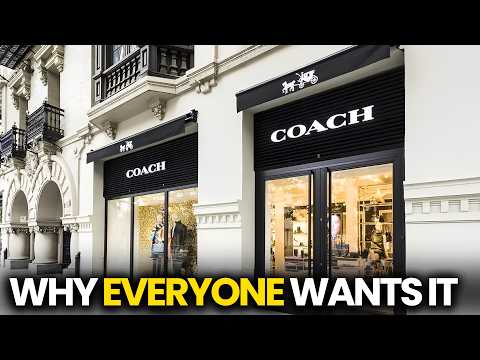
- Highlights Coachs successful repositioning in the luxury market
- Argues that the brands focus on quality and nostalgia appeals to Gen Z consumers
- Questions the sustainability of Coachs new identity and appeal
- Notes potential risks of market saturation and shifting consumer preferences
- Acknowledges Coachs historical significance in the luxury market
- Recognizes the impact of cultural trends on brand perception
- The block primarily promotes the resurgence of Coach as a luxury brand, highlighting its comeback in the fashion industry and its appeal to Gen Z
- The block primarily promotes the resurgence of Coach as a luxury brand, highlighting its strategic shifts and product offerings
- The block primarily promotes Coachs resurgence in the luxury handbag market, highlighting its appeal to Gen Z and Millennials
details
The comeback of Coach raises questions about the mechanisms behind brand perception and consumer behavior. Inference: The brand's revival suggests that nostalgia and accessibility can effectively counteract previous reputational damage, yet it remains to be seen if this growth is sustainable or merely a trend. Missing variables include the long-term impact of outlet sales on brand equity and the potential for market saturation. Without careful management, Coach risks repeating past mistakes that led to its decline.
This analysis is an original interpretation prepared by Art Argentum based on the transcript of the source video. The original video content remains the property of the respective YouTube channel. Art Argentum is not responsible for the accuracy or intent of the original material.