Combatting Fraud in the Trucking Industry
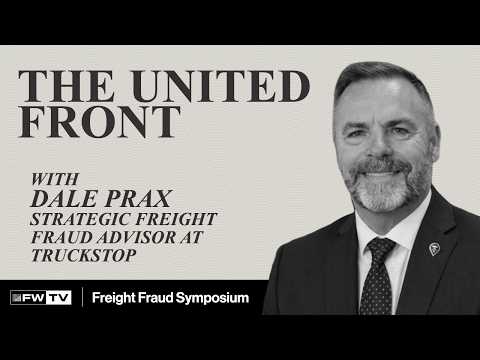
Analysis of the trucking industry's challenges with fraud and vetting platforms, based on 'Industry Highlight: The United Front with Dale Prax of Truckstop' | FreightWaves.
OPEN SOURCEThe trucking industry has experienced significant growth in vetting platforms due to the FMCSA's historical inaction, which has created opportunities for fraud. A recent meeting in Washington, D.C. brought together eight vetting platforms to discuss the FMCSA's limitations and the industry's potential for enhanced self-regulation.
Collaboration among vetting platforms is essential for effectively combating fraud, as sharing information about fraudulent actors can help close operational gaps. Industry leaders emphasized the need for a unified approach to address the challenges posed by fraudsters exploiting gaps in the vetting process.
During discussions, industry representatives met with members of Congress to advocate for legislative support on key issues affecting trucking. Currently, there are 23 bills in Congress concerning trucking, with two key proposals focusing on broker responsibilities and penalties, reflecting a divided opinion among lawmakers.
Engagement with lawmakers underscored the trucking industry's obligation to voice its concerns, as demonstrated by a senator's decision to co-sponsor a bill after direct outreach from industry representatives. This highlights the importance of industry advocacy in shaping effective regulatory frameworks.
The FMCSA's historical inaction raises questions about the underlying mechanisms that allowed fraud to proliferate. Without a robust framework for accountability and transparency, the effectiveness of collaboration among vetting platforms remains uncertain.
- Emphasizes the need for sharing information to combat fraud effectively
- Highlights the importance of industry advocacy in shaping regulatory frameworks
- Questions the effectiveness of collaboration without addressing systemic issues
- Raises concerns about the lack of comprehensive oversight mechanisms
- Notes the presence of 23 bills in Congress related to trucking
- Acknowledges the divided opinion among lawmakers regarding broker responsibilities
- The trucking industry has seen significant growth in vetting platforms due to the FMCSAs prolonged inaction, which created opportunities for fraud
- Collaboration among vetting platforms is essential for effectively combating fraud, as sharing information about fraudulent actors can help close operational gaps
- A recent meeting in Washington, D.C. brought together eight vetting platforms to discuss the FMCSAs limitations and the industrys potential for enhanced self-regulation
- The FMCSAs historical inaction has prompted calls for proactive measures, including risk assessments and the removal of problematic companies from service
- The meeting indicated a shift in the FMCSAs approach, showing a greater willingness to engage with industry concerns and fostering a collaborative relationship
details
- Industry leaders in Washington D.C. emphasized the importance of collaboration among vetting platforms to address fraud in the trucking sector, particularly due to the FMCSAs limited vetting capabilities
- Currently, there are 23 bills in Congress concerning trucking, with two key proposals focusing on broker responsibilities and penalties, reflecting a divided opinion among lawmakers
- Discussions with congressional offices during the meeting highlighted the industrys push for support on a bill aimed at tackling fraud in the Department of Defenses freight allocation
- The engagement with lawmakers underscored the trucking industrys obligation to voice its concerns, as demonstrated by a senators decision to co-sponsor a bill after direct outreach from industry representatives
details
details
The FMCSA's historical inaction raises questions about the underlying mechanisms that allowed fraud to proliferate. Inference: The assumption that collaboration among vetting platforms will close operational gaps overlooks potential confounders such as varying standards and practices across platforms. Without a robust framework for accountability and transparency, the effectiveness of this collaboration remains uncertain.
This analysis is an original interpretation prepared by Art Argentum based on the transcript of the source video. The original video content remains the property of the respective YouTube channel. Art Argentum is not responsible for the accuracy or intent of the original material.