Afghanistan Hunger Crisis Overview
Analysis of Afghanistan's hunger crisis, based on "Inside Afghanistan: millions facing emergency food shortages" | BBC News.
OPEN SOURCEAfghanistan is facing one of the most severe hunger crises globally, worsened by drastic cuts in international aid, the Taliban's policies, and persistent drought. Approximately 4.7 million Afghans are experiencing emergency hunger levels, with three out of four struggling to obtain food, jobs, and healthcare.
In Ghor province, many individuals, including children, gather daily in search of work to support their families amid the dire economic situation. Families are resorting to desperate measures, such as selling daughters to settle debts or secure food, reflecting the extreme survival challenges they face.
Local hospitals are overwhelmed, particularly with malnourished newborns, highlighting the severe health consequences of the ongoing crisis. Newborns in Afghanistan are suffering from malnutrition and lack of medical resources, with some dying shortly after birth due to asphyxia.
Healthcare workers report emotional fatigue as child mortality rates rise in hospitals, attributed to insufficient resources. Families are compelled to take their sick children home from hospitals due to the inability to afford necessary medications, underscoring the dire economic conditions.
The case of a child named Zameer highlights the tragic reality where financial constraints prevent families from accessing life-saving care. The situation calls for urgent international attention and intervention to alleviate the suffering of millions.
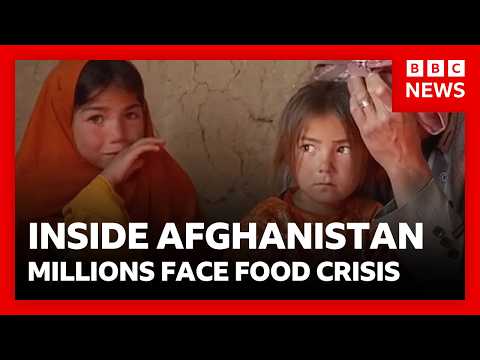
- Highlights the urgent need for international aid to address the hunger crisis
- Emphasizes the dire consequences of Taliban policies on the populations well-being
- Claims that internal governance issues complicate the distribution of aid
- Argues that external factors, such as drought, are beyond their control
- Notes the emotional toll on healthcare workers dealing with rising child mortality
- Identifies the economic constraints forcing families to make desperate choices
- Afghanistan is facing one of the most severe hunger crises globally, worsened by drastic cuts in international aid, the Talibans policies, and persistent drought
- Around 4.7 million Afghans are experiencing emergency hunger levels, with three out of four struggling to obtain food, jobs, and healthcare
- In Ghor province, many individuals, including children, gather daily in search of work to support their families amid the dire economic situation
- Families are resorting to desperate measures, such as selling daughters to settle debts or secure food, reflecting the extreme survival challenges they face
- Local hospitals are overwhelmed, particularly with malnourished newborns, highlighting the severe health consequences of the ongoing crisis
details
- Newborns in Afghanistan are suffering from malnutrition and lack of medical resources, with some dying shortly after birth due to asphyxia
- Healthcare workers report emotional fatigue as child mortality rates rise in hospitals, attributed to insufficient resources
- Families are compelled to take their sick children home from hospitals due to the inability to afford necessary medications, underscoring the dire economic conditions
- The case of a child named Zameer highlights the tragic reality where financial constraints prevent families from accessing life-saving care
The situation in Afghanistan highlights the complex interplay of humanitarian aid, governance, and environmental factors. Inference: The reliance on international aid and the Taliban's policies create a precarious balance, where any further cuts could lead to increased famine risk. The lack of access for foreign journalists raises questions about the transparency of the crisis and the effectiveness of current interventions.
This analysis is an original interpretation prepared by Art Argentum based on the transcript of the source video. The original video content remains the property of the respective YouTube channel. Art Argentum is not responsible for the accuracy or intent of the original material.