Political Repression and FETÖ Tactics in Turkey
Analysis of political repression and FETÖ tactics in Turkey, based on "FETÖ Tactics Continue! Shocking Document Service from the Ministry of Justice to the Pro-Government Media!" | Sozcutelevizyonu.
OPEN SOURCEYavuz Selim Demirağ analyzes the implications of joint messages from Ekrem İmamoğlu and Mansur Yavaş, interpreting them as a sign of solidarity amid ongoing challenges. He raises concerns about operations targeting CHP municipalities, suggesting a deliberate strategy to undermine the party ahead of upcoming elections.
Demirağ warns of the implications of claims regarding 'Absolute Nullity' and the potential for a closure case against the CHP, viewing it as part of a broader effort to destabilize the opposition. He claims that the Ministry of Justice has leaked documents to pro-government media, comparing these actions to tactics used by FETÖ.
Concerns about the current political environment are highlighted, likening it to past military coup periods when political parties were dissolved. The points out the alarming trend of the Justice Ministry leaking sensitive investigation documents to pro-government media, indicating a continuation of oppressive political strategies.
Ongoing legal challenges against opposition figures reflect a broader strategy of political repression, with serious charges like espionage being levied against journalists and political opponents. The psychological toll of these legal battles fosters fear and uncertainty among citizens and media professionals.
Allegations of systemic corruption and mismanagement in CHP-governed municipalities suggest that funds are misappropriated while opposition mayors face unjust scrutiny and legal action. The judiciary is increasingly viewed as a tool for political gain, with historical precedents of political purges and manipulation of legal processes to silence dissent.
The conversation also points to a lack of accountability for law enforcement and political leaders, especially regarding violence or harassment against opposition figures, reflecting a troubling trend of impunity.
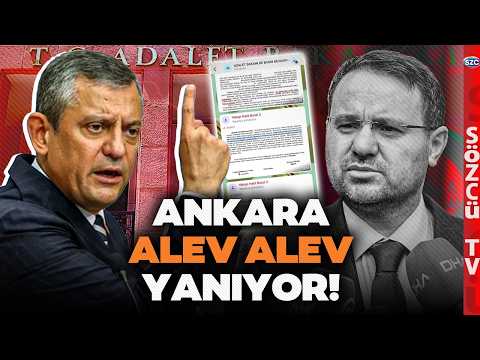
- Claims that the Ministry of Justice leaked documents to pro-government media
- Argues that operations against CHP municipalities are justified
- Highlights the oppressive tactics used against opposition parties
- Critiques the double standards in the judicial system
- Discusses the implications of political strategies on public trust
- Raises concerns about the psychological impact of legal battles on citizens
- Yavuz Selim Demirağ analyzes the joint messages from Ekrem İmamoğlu and Mansur Yavaş, interpreting them as a sign of solidarity amid their ongoing challenges
- Concerns are raised about operations targeting CHP municipalities, suggesting a deliberate strategy to undermine the party ahead of upcoming elections
- Demirağ warns of the implications of Mutlak Butlan claims and the potential for a closure case against the CHP, viewing it as part of a broader effort to destabilize the opposition
- He claims that the Justice Ministry has leaked documents to pro-government media, comparing these actions to tactics used by FETÖ, indicating a continuation of oppressive political strategies
- The double standards in how government and opposition municipalities are treated, stressing the importance of the CHP being prepared for potential crises
- The potential closure of the CHP (Republican Peoples Party) and its implications, drawing parallels to historical political suppression in Turkey
- Concerns are raised about the current political environment, likening it to past military coup periods when political parties were dissolved, suggesting the government is using similar tactics
- The speaker points out the alarming trend of the Justice Ministry leaking sensitive investigation documents to pro-government media, indicating a continuation of FETÖ methods in political strategies
- There is a critique of the judicial systems double standards, particularly in political cases, where opposition figures face more severe scrutiny than those in power
- The conversation addresses the manipulation of media narratives, with claims that certain journalists and outlets are being utilized to spread biased information that aligns with government interests
- Ongoing legal challenges against opposition figures in Turkey, particularly within the CHP, reflect a broader strategy of political repression, with serious charges like espionage being levied against journalists and political opponents
- The psychological toll of these legal battles fosters fear and uncertainty among citizens and media professionals, highlighting the oppressive environment
- Allegations of systemic corruption and mismanagement in CHP-governed municipalities suggest that funds are misappropriated while opposition mayors face unjust scrutiny and legal action
- The judiciary is increasingly viewed as a tool for political gain, with historical precedents of political purges and manipulation of legal processes to silence dissent
- There is a concerning trend of smear campaigns against female politicians, indicating a pattern of dirty politics aimed at undermining their credibility and influence
- The discussion reveals serious concerns about leaked messages from seized phones, indicating a significant violation of privacy and misuse of judicial authority
- There is a pronounced double standard in how political figures are treated, with minimal response to allegations against opposition members, contrasting sharply with the outrage that would follow similar accusations against ruling party members
- The speaker criticizes the current governments oppressive tactics, drawing parallels to historical political purges, particularly the Ergenekon and Balyoz operations
- A call for equal treatment under the law is emphasized, highlighting the biased application of justice against opposition parties, which threatens the political systems integrity
- The conversation also points to a lack of accountability for law enforcement and political leaders, especially regarding violence or harassment against opposition figures, reflecting a troubling trend of impunity
The assertion that the Ministry of Justice leaked documents raises questions about the mechanisms of accountability within the government. Inference: This suggests a potential collusion between state institutions and media, which could undermine public trust. Missing variables include the motivations behind these leaks and the broader implications for political stability.
This analysis is an original interpretation prepared by Art Argentum based on the transcript of the source video. The original video content remains the property of the respective YouTube channel. Art Argentum is not responsible for the accuracy or intent of the original material.